Motorbike Spare Parts Store Business idea Guide

Motorbike Spare Parts Store Business Idea Guide

Motorbike Spare Parts Store Business Guide

Your complete resource for starting and growing a motorbike spare parts business in East Africa

What is a Motorbike Spare Parts Store Business?

A motorbike spare parts store is a specialized retail business that supplies replacement parts, accessories, and maintenance products for motorcycles. This business serves as a critical link between manufacturers, distributors, and the growing number of motorbike owners, mechanics, and riding enthusiasts across East Africa. The product range typically includes engine components, electrical parts, braking systems, tires, chains, filters, lubricants, and various accessories.

This business can operate through a physical storefront, an online platform, or a combination of both, often with delivery services to reach mechanics and repair shops. Success depends on maintaining a comprehensive inventory, establishing reliable supply chains, understanding the specific needs of different motorcycle models common in the region, and offering competitive pricing. The store may also provide value-added services such as part identification, technical advice, and warranty support.

Revenue streams include part sales, bulk discounts for repair shops, accessory installations, and potentially offering diagnostic services or maintenance workshops. The business benefits from recurring purchases as motorcycles require regular maintenance and repairs. With the massive growth of motorcycle transportation for both personal and commercial use (boda-boda services) in East Africa, a well-run spare parts store can become an essential partner to the region's transportation ecosystem.

Business Environment in East Africa

The motorbike spare parts business environment in East Africa is exceptionally favorable due to several converging factors. The region has experienced explosive growth in motorcycle ownership, particularly for commercial transportation (boda-boda services) in countries like Kenya, Uganda, Tanzania, and Rwanda. This growth has created sustained demand for affordable and reliable spare parts to keep these vehicles operational.

Challenges include navigating import regulations for parts, competition from informal sellers of sometimes substandard products, and the need to stock parts for a wide variety of motorcycle makes and models. However, these challenges also present opportunities for businesses that can provide quality-guaranteed products, reliable supply chains, and customer education about the long-term benefits of using genuine parts.

The market is fragmented with many small sellers but few professionalized distributors, creating an opportunity for organized businesses to establish strong market positions. Government initiatives supporting transportation infrastructure and the general growth of the gig economy (ride-hailing and delivery services) create a favorable environment for motorcycle-related businesses. Cultural acceptance of motorcycles as both practical transportation and income-generating assets further supports demand for quality spare parts across the region.

Market Analysis

The market for motorbike spare parts in East Africa is substantial and growing in parallel with the expansion of motorcycle transportation. The number of motorcycles has increased dramatically in urban and rural areas, creating sustained demand for maintenance parts and accessories. Currently, many mechanics and owners source parts from general automotive markets or informal suppliers, leading to issues with part quality, compatibility, and availability.

Competition in the specialized motorbike parts segment is limited, with few established players focusing exclusively on this niche. Most competition comes from general automotive parts stores that carry some motorcycle parts alongside car parts. Pricing varies widely based on part quality, origin (genuine vs. compatible), and brand, with significant price differences between OEM parts and more affordable alternatives.

The market gap exists for a dedicated supplier that understands the specific needs of motorcycle owners and mechanics, offers a comprehensive range of parts for common models, provides reliable quality, and offers competitive pricing. There is particularly strong potential for suppliers who can provide parts for the most popular motorcycle models in the region, with adequate inventory to minimize downtime for commercial riders whose income depends on their vehicles being operational.

Possible Customers

The primary customers for a motorbike spare parts store are motorcycle repair shops and independent mechanics. These professionals need reliable access to quality parts to serve their clients efficiently and maintain their reputation for quality work. Building relationships with these businesses can lead to recurring bulk orders and steady revenue.

Commercial motorcycle riders (boda-boda operators) represent another significant customer segment. These riders depend on their motorcycles for daily income and need affordable, reliable parts to minimize downtime. They often prioritize price but increasingly recognize the value of quality parts that last longer and prevent further damage to their vehicles.

Individual motorcycle owners form another customer segment, ranging from daily commuters to riding enthusiasts. These customers may need parts for routine maintenance, repairs, or customization. They often value expert advice, warranty support, and assurance of part quality.

Beyond these direct users, there is potential to serve related businesses such as motorcycle dealerships, fleet operators for delivery services, and even vocational training institutes that teach motorcycle repair. Each customer segment has different needs, purchasing patterns, and price sensitivities. Understanding these variations allows for tailored product offerings, pricing strategies, and marketing approaches to effectively serve each segment's specific requirements.

Additionally, as motorcycle culture evolves in East Africa, there is growing demand for performance parts and accessories among riding enthusiasts, representing a premium segment of the market with higher margins.

Best Places to Establish a Motorbike Spare Parts Store

The ideal location for a motorbike spare parts store is in areas with high concentrations of motorcycle-related businesses. Locations near motorcycle repair clusters, known automotive parts markets, or along major roads with high visibility to passing traffic are optimal. In many East African cities, there are specific areas known for automotive repairs where mechanics and riders naturally go to source parts.

Areas with high densities of commercial motorcycle operators (boda-boda stages) are also strategic locations. Being near these gathering points provides direct access to a large customer base who need quick access to parts to minimize downtime. Locations with good transportation links and parking availability are important since customers may need to visit with their motorcycles.

In cities like Nairobi, Kampala, Dar es Salaam, or Kigali, areas with developing commercial infrastructure but lower rents than central business districts can offer a good balance of accessibility and affordability. Consider locations with adequate space for both display and storage, as inventory management is crucial in this business.

Regardless of the specific location, ensure the area has reliable security given the value of inventory. Also consider proximity to wholesale markets or transportation hubs for efficient supply chain management. For businesses planning to offer delivery services, a location with good road access to serve repair shops across the city can be more important than high street visibility.

Social Media Platforms and Advertising Strategies

Facebook is highly effective for reaching both mechanics and motorcycle owners in East Africa. Create a business page with complete product information, pricing, and contact details. Join motorcycle enthusiast groups, mechanic forums, and community pages to engage with potential customers. Facebook ads can target specific locations, interests, and demographics related to motorcycle ownership and repair.

WhatsApp Business is essential for direct communication with customers. Use it for order taking, customer support, and sending updates about new arrivals. Create broadcast lists to notify customers about promotions and available parts. WhatsApp's prevalence in East Africa makes it a critical channel for this business.

Instagram is valuable for visual showcasing of products, especially for accessories and performance parts. Create posts featuring high-quality images of parts, installation demonstrations, and customer testimonials. Use relevant hashtags to increase visibility among motorcycle enthusiasts.

YouTube is ideal for educational content demonstrating part installation, maintenance tips, and product comparisons. This builds trust and positions your store as an authority. Consider creating content in local languages to reach a wider audience.

To attract customers, offer credit terms to reliable repair shops, loyalty programs for frequent buyers, and bundle deals on common maintenance part sets. Collaborate with influential mechanics or riding groups for endorsements. Sponsor motorcycle events or community initiatives to increase brand visibility. Implement a referral program that rewards existing customers for bringing new business.

Differentiation Strategies

To stand out in the motorbike parts market, consider these differentiation strategies. First, specialize in parts for the most common motorcycle models in your region. Develop deep inventory for these models to become the go-to supplier, reducing customer search time and vehicle downtime.

Offer exceptional customer service including technical support, part identification assistance, and compatibility guidance. Provide value-added services like part delivery to repair shops, emergency part availability, and flexible payment options for trusted commercial customers.

Focus on quality assurance by clearly distinguishing between OEM, quality compatible, and economy parts. Educate customers on the long-term value of quality parts rather than competing solely on price. Offer warranty support on parts to build trust and reduce perceived risk for customers.

Develop a robust inventory management system that ensures high availability of fast-moving parts while managing costs. Implement a digital catalog that customers can browse, with accurate compatibility information. Create package deals for common maintenance needs that offer convenience and value.

Consider offering basic training sessions on motorcycle maintenance or part identification to build relationships with mechanics and enthusiasts. Develop private label products for commonly replaced items to capture higher margins. Finally, maintain excellent relationships with suppliers to ensure reliable stock and access to new products as they become available.

Necessary Requirements

  • Business registration and necessary trade licenses
  • Adequate retail space with display areas and secure storage
  • Initial inventory of common spare parts and accessories
  • Relationships with reliable suppliers and distributors
  • Inventory management system and point-of-sale software
  • Knowledgeable staff with understanding of motorcycle parts
  • Delivery vehicle or partnership with delivery services
  • Basic tools for part demonstration and compatibility verification
  • Marketing materials and online presence
  • Adequate capital for inventory investment and operational expenses
  • Insurance coverage for inventory, equipment, and liability

Five-Year Growth Projection

Year Projected Revenue Growth Customer Growth Business Expansion
Year 1 Base Year 50 regular business customers Single location, core part range for popular models
Year 2 60% increase 80 regular business customers Add delivery service, expand to online sales
Year 3 80% increase 144 regular business customers Add parts for less common models, launch mechanic support program
Year 4 100% increase 288 regular business customers Open second location in different city, add accessories division
Year 5 120% increase 634 regular business customers Launch wholesale division, expand to neighboring countries

These projections are based on industry growth patterns and assume successful execution of business strategies. The growth percentages represent year-over-year revenue increases, taking into account the expanding motorcycle market in East Africa. The customer growth estimates assume a combination of retaining existing customers while acquiring new ones through marketing efforts and referrals. Expansion plans focus on starting with a solid foundation of parts for the most popular models and gradually expanding the product range, services, and geographic coverage. Actual results may vary based on market conditions, competition, management effectiveness, and economic factors. The key to achieving these projections will be maintaining strong customer relationships, managing inventory effectively, and adapting to the evolving needs of the motorcycle market in East Africa.
For More Business Ideas

Contact us via WhatsApp

+255 716 655 236

Barbershop Supply Store Business Idea Guide

Barbershop Supply Store Business Idea Guide

Barbershop Supply Store Business Guide

Your complete resource for starting and growing a barbershop supply business in East Africa

What is a Barbershop Supply Store Business?

A barbershop supply store is a specialized retail business that provides equipment, tools, and products specifically for barbershops and hair salons. This business serves as a crucial link between manufacturers and barbers by supplying everything needed to operate a successful barbershop. The product range typically includes clippers, trimmers, scissors, chairs, mirrors, styling products, sanitizing solutions, aprons, and other barbering accessories.

This business model can operate through a physical storefront, an online platform, or a combination of both. Success depends on understanding the specific needs of barbers, maintaining relationships with reliable suppliers, and offering competitive pricing. The store may also provide value-added services such as equipment repair, maintenance, and product education to build customer loyalty.

Revenue streams include product sales, equipment leasing, bulk discounts for shop owners, and potentially offering training sessions on new products or techniques. The business benefits from recurring purchases as barbers need regular supplies of consumable items like blades, oils, and styling products. With the growing grooming industry in East Africa, a well-run supply store can become an essential partner to the region's barbering community.

Business Environment in East Africa

The barbershop supply business environment in East Africa is promising due to several converging factors. The region has experienced rapid urbanization, with growing cities creating concentrated demand for grooming services. A youthful population, increasing disposable incomes, and evolving fashion consciousness have all contributed to a boom in the barbering industry across countries like Kenya, Tanzania, Uganda, and Rwanda.

Challenges include navigating import regulations for equipment and products, competition from informal suppliers, and sometimes limited access to reliable electricity in certain areas which affects equipment preferences. However, these challenges also present opportunities for businesses that can provide quality guaranteed products, reliable supply chains, and customer education.

The market is still developing with few specialized distributors, creating an opportunity for early entrants to establish strong market positions. Government initiatives supporting small business growth and the general entrepreneurial spirit in East Africa create a favorable environment for B2B ventures like barber supply stores. Cultural factors, such as the importance of personal appearance and the social role of barbershops in many communities, further support demand for quality barbering supplies.

Market Analysis

The market for barbershop supplies in East Africa is growing steadily alongside the expansion of the grooming industry. The number of barbershops has increased significantly in urban and semi-urban areas, creating sustained demand for quality tools and products. Currently, many barbers source supplies from general merchandise markets or informal suppliers, leading to issues with product quality and consistency.

Competition in the specialized barber supply segment is limited, with few established players focusing exclusively on this niche. Most competition comes from general beauty supply stores that carry some barbering products alongside beauty products for women. Pricing varies widely based on product quality and origin, with significant price differences between imported premium brands and more affordable alternatives.

The market gap exists for a dedicated supplier that understands the specific needs of barbers, offers a comprehensive range of products, provides reliable quality, and offers competitive pricing. There is particularly strong potential for suppliers who can source or distribute products designed for African hair types and textures, which are often different from products designed for other hair types.

Possible Customers

The primary customers for a barbershop supply store are professional barbers and barbershop owners. These range from owners of high-end establishments in urban centers to small neighborhood barbershops in both urban and semi-urban areas. Professional barbers need reliable access to quality tools and products to maintain their service standards and profitability.

Another significant customer segment includes aspiring barbers and barbering students. These individuals need starter kits, basic equipment, and practice materials as they begin their careers. Vocational training institutes and barber schools also represent potential B2B customers requiring supplies for their training programs.

Mobile barbers who provide services at clients' homes or events form another customer segment. These professionals often need portable equipment and compact solutions. Additionally, some individual consumers may purchase certain products for personal use, particularly grooming products like beard oils, clippers for home use, and styling products.

Beyond these direct users, there is potential to serve related businesses such as salons that offer men's services, spas with grooming services, and hotels with barbershop facilities. Each customer segment has different needs, purchasing patterns, and price sensitivities. Understanding these variations allows for tailored product offerings, pricing strategies, and marketing approaches to effectively serve each segment's specific requirements.

Best Places to Establish a Barbershop Supply Store

The ideal location for a barbershop supply store is in urban commercial areas with high concentrations of barbershops and beauty establishments. Areas known for beauty and barbering services, such as streets with multiple salons or markets specializing in beauty products, offer natural proximity to your target customers. These locations provide visibility and convenience for barbers who need to restock supplies regularly.

Industrial areas with lower rental costs can also be strategic if complemented with a strong delivery service and marketing strategy. The key is accessibility for your target market, whether through physical location or efficient distribution channels. Locations near barbering schools or vocational training centers can provide access to aspiring barbers who need equipment to start their careers.

In East African cities like Nairobi, Dar es Salaam, or Kampala, areas with developing commercial infrastructure but lower rents than central business districts can offer a good balance of accessibility and affordability. Consider locations with good transportation links for both your customers and your supply chain. The store should have adequate space for display, storage, and potentially a small demonstration area where customers can test equipment.

Regardless of the specific location, ensure the area has reliable utilities, especially electricity, since power fluctuations can damage electronic equipment. Security is also important given the value of inventory. Finally, consider future expansion possibilities when selecting a location to accommodate business growth.

Social Media Platforms and Advertising Strategies

Instagram is highly effective for visual showcasing of products. Create posts featuring high-quality images and videos of your products in action, before-and-after transformations, and customer testimonials. Use relevant hashtags like #BarberSupplyEA, #EastAfricaBarber, and #BarberLife to increase visibility. Instagram Stories can highlight new arrivals, promotions, and behind-the-scenes content.

Facebook is valuable for building community and running targeted ads. Create a business page with complete product catalogs, pricing, and contact information. Join barbering groups and participate in discussions to establish expertise. Facebook ads can target specific demographics, locations, and interests related to barbering and grooming.

YouTube is ideal for tutorial content demonstrating product use, equipment maintenance, and barbering techniques. Create channel dedicated to educating barbers, which builds trust and positions your store as an authority. TikTok can reach younger barbers with short, engaging videos showcasing products and transformations.

To attract customers, offer professional discounts, loyalty programs, and bundle deals. Collaborate with influential barbers for product endorsements and tutorials. Host or sponsor barbering competitions and events to increase brand visibility. Implement a referral program that rewards existing customers for bringing new business. Use email marketing to keep customers informed about new products, promotions, and industry news.

Differentiation Strategies

To stand out in the barber supply market, consider these differentiation strategies. First, specialize in products specifically designed for African hair types and textures, which are often underserved by international brands. Develop deep expertise in this niche to become the go-to supplier for barbers working with these hair types.

Offer exceptional customer service including technical support, equipment repair services, and product education. Provide value-added services like equipment leasing options, bulk purchase discounts for shop owners, and customized product bundles for different types of barbershops. Develop a robust delivery system that ensures timely supply to your customers, reducing their downtime.

Create exclusive product lines or private label products that are only available through your store. Focus on stocking environmentally friendly and sustainable products to appeal to the growing segment of eco-conscious consumers. Implement a loyalty program that rewards repeat business with discounts, early access to new products, and other perks.

Develop strong relationships with barbering associations and training schools to become their preferred supplier. Offer business support services for barbers such as basic accounting templates, marketing materials, or shop management advice. Finally, maintain an excellent online presence with comprehensive product information, inventory transparency, and easy ordering systems to make the purchasing process as seamless as possible for busy professionals.

Necessary Requirements

  • Business registration and necessary retail licenses
  • Adequate retail space with display areas and secure storage
  • Initial inventory of barbering tools, equipment, and products
  • Relationships with reliable suppliers and manufacturers
  • Point-of-sale system and inventory management software
  • Knowledgeable staff with understanding of barbering products
  • Delivery vehicle or partnership with delivery services
  • Marketing materials and online presence
  • Adequate capital for inventory investment and operational expenses
  • Insurance coverage for inventory, equipment, and liability

Five-Year Growth Projection

Year Projected Revenue Growth Customer Growth Business Expansion
Year 1 Base Year 100 regular customers Single location, core product range
Year 2 50% increase 150 regular customers Add delivery service, expand product range
Year 3 75% increase 262 regular customers Launch e-commerce platform, add equipment repair
Year 4 100% increase 524 regular customers Open second location in different city
Year 5 120% increase 1153 regular customers Launch private label products, expand to neighboring countries

These projections are based on industry growth patterns and assume successful execution of business strategies. The growth percentages represent year-over-year revenue increases, taking into account the expanding barbering industry in East Africa. The customer growth estimates assume a combination of retaining existing customers while acquiring new ones through marketing efforts and referrals. Expansion plans focus on starting with a solid foundation and gradually adding services, locations, and product lines. Actual results may vary based on market conditions, competition, management effectiveness, and economic factors. The key to achieving these projections will be maintaining strong customer relationships, adapting to market changes, and consistently delivering value to barbering professionals.

For More Business Ideas

Contact us via WhatsApp

+255 716 655 236

Women's Salon Business Idea Guide

Women's Salon Business Idea Guide

Women's Salon Business Guide

Your complete resource for starting and growing a successful women's salon in East Africa

What is a Women's Salon Business?

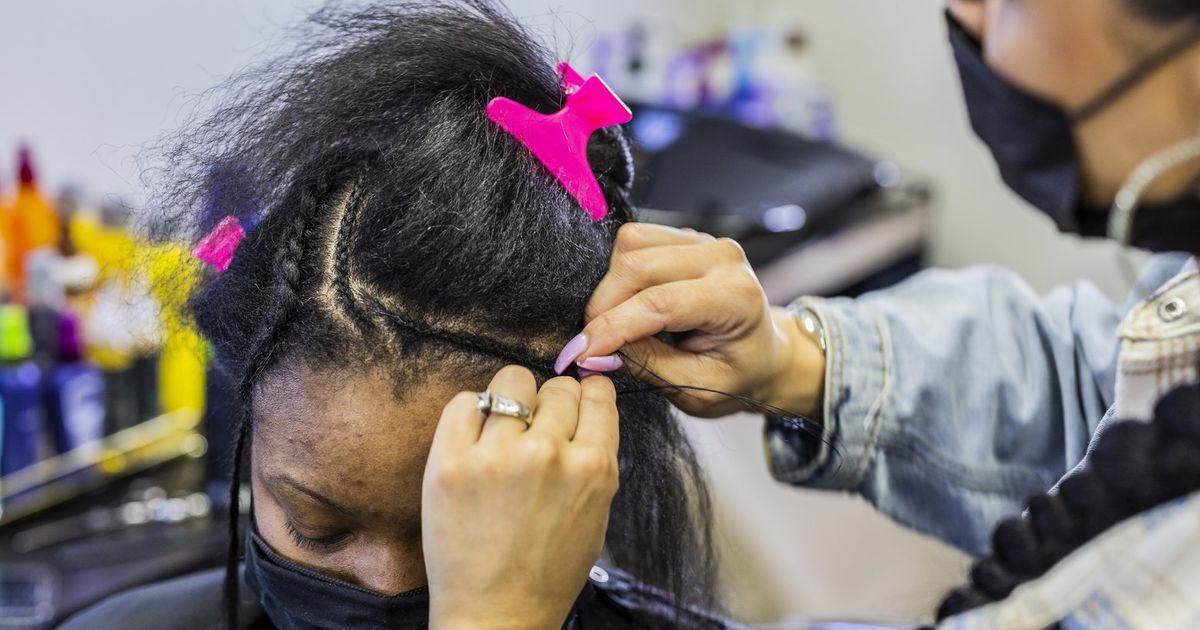
A women's salon is a business that provides beauty treatments and services specifically for female clients. This includes hair styling, cutting, coloring, chemical treatments, skincare services, nail care, waxing, and sometimes makeup application. The salon business combines technical expertise with hospitality, creating a space where clients can relax, socialize, and enhance their appearance.

Beyond basic services, modern salons often retail beauty products, offer bridal packages, and provide specialized treatments like keratin treatments, hair extensions, or microblading. The business model can range from a basic neighborhood salon to a luxury spa-like experience, depending on target market and location. Success depends on skilled staff, quality products, excellent customer service, and effective marketing.

Salons typically generate revenue through service fees, product sales, and package deals. The business offers recurring revenue as many clients visit regularly for maintenance services. With the right approach, a salon can become a community hub and build a loyal client base. The beauty industry is relatively recession-resistant as many clients prioritize self-care even during economic downturns.

Business Environment in East Africa

The beauty salon industry in East Africa is growing rapidly, driven by urbanization, rising disposable incomes, and increasing influence of global beauty trends. Countries like Kenya, Tanzania, and Uganda have seen a surge in beauty consciousness, particularly among urban women. The market ranges from basic local salons to high-end establishments catering to affluent clients and expatriates.

Challenges include competition from informal home-based beauticians, inconsistent supply of quality beauty products, and sometimes unreliable utilities. However, these challenges also present opportunities for professional salons that can offer consistent quality, hygiene standards, and a wider range of services. The growing middle class, particularly working women, has more disposable income to spend on beauty services.

Cultural factors influence beauty standards and preferred services. For example, braiding and natural hair care are particularly important in the African context. Successful salons blend international techniques with services tailored to local hair types and beauty preferences. The market is becoming more sophisticated, with clients increasingly valuing professional qualifications, hygiene standards, and premium products.

Market Analysis

The beauty salon market in East Africa is fragmented with many small players but few dominant chains. Demand is consistently strong as beauty services are not just luxuries but part of grooming and maintenance for many women. The market can be segmented into economy, mid-range, and premium salons, each serving different customer demographics.

Competition varies by location and segment. In urban areas, competition is stronger, but demand is also higher. Rural areas may have fewer options but also less purchasing power. Pricing varies significantly based on location, services offered, and target market. Many salons compete primarily on price, creating opportunities for those who can compete on quality and experience instead.

The market gap exists for professionally run salons with trained staff, consistent service quality, and strong hygiene standards. Many existing salons lack business acumen, marketing skills, or customer service focus. There is particular opportunity for salons that can effectively cater to working professionals with convenient hours, quick services, and loyalty programs.

Possible Customers

The potential customers for a women's salon in East Africa can be segmented into several categories. Working professionals represent a key segment with disposable income and need for regular grooming. They often seek convenient locations, appointment systems, and services that fit around work schedules. This segment values efficiency, quality, and professionalism.

Students and young adults form another significant segment. They may have more limited budgets but are often interested in trendy styles, experimental treatments, and social salon visits. This group is highly influenced by social media and celebrity trends. They often seek affordable services but may splurge on special occasions.

Mature women and homemakers constitute another customer segment. They often prioritize reliability, skilled stylists who understand their preferences, and a comfortable atmosphere. This group may have more flexible timing and often values long-term relationships with their beauty providers.

Special occasion clients are another important segment. This includes brides and their wedding parties, women attending important events, and those preparing for celebrations. These clients often seek comprehensive packages and are willing to pay premium prices for exceptional results.

Additionally, there is growing demand for specialized services such as natural hair care, treatments for hair damage, and services tailored to specific hair types common in East Africa. Understanding these segments allows for targeted marketing and service offerings that meet specific customer needs.

Best Places to Establish a Women's Salon

Choosing the right location is critical for a salon's success. Urban centers and commercial districts are prime locations due to high foot traffic and concentration of working professionals. Areas near office buildings, business parks, and commercial centers attract clients who want convenience during lunch breaks or after work. These locations typically support higher pricing but also come with higher rental costs.

Upscale residential neighborhoods are another excellent option, particularly for salons offering premium services. Residents in these areas have disposable income and often prefer neighborhood establishments for regular maintenance services. Being located near other complementary businesses like boutiques, fitness centers, or cafes can create beneficial synergies and cross-promotion opportunities.

Shopping malls and retail centers offer high visibility and foot traffic. Mall locations attract both planned and impulse visits. However, they typically involve higher costs and may require sharing revenue with mall management. Locations near colleges and universities can be successful for salons targeting younger clients with more affordable pricing and trend-focused services.

When selecting a location, consider factors like visibility, accessibility, parking availability, proximity to your target market, and competition in the area. Also evaluate the potential for growth and the overall development plans for the neighborhood. A location that balances affordability with access to your target customers is ideal.

Social Media Platforms and Advertising Strategies

Instagram is the most powerful platform for salon marketing due to its visual nature. Post high-quality before-and-after photos, video tutorials, and behind-the-scenes content. Use relevant hashtags like #NairobiSalon, #DarEsSalaamBeauty, and #KampalaHair to increase visibility. Instagram Stories are perfect for showcasing daily specials and last-minute availability.

Facebook allows for broader reach and targeted advertising. Create a business page with complete service information, pricing, and booking options. Join local community groups and engage with potential customers. Facebook ads can be highly targeted by location, age, interests, and behaviors. Share client testimonials, educational content about hair care, and promotional offers.

YouTube is ideal for longer content such as tutorial videos, stylist interviews, and virtual tours of your salon. Create content that showcases your expertise and builds trust with potential clients. TikTok can be effective for reaching younger audiences with short, engaging videos showcasing transformations and trendy styles.

To attract customers, offer first-time client discounts, referral bonuses, and loyalty programs. Collaborate with local influencers and micro-celebrities for promotions. Host events like styling workshops or product launch parties. Use email marketing to keep clients informed about promotions, new services, and appointments. Implement a user-friendly booking system that integrates with your social media platforms.

Differentiation Strategies

To stand out in the competitive salon market, consider these differentiation strategies. Specialize in services that are in high demand but undersupplied in your area, such as natural hair care, keratin treatments, or specific braiding techniques. Develop signature services or packages that competitors don't offer.

Focus on creating an exceptional customer experience from the moment clients enter your salon. This includes comfortable waiting areas, refreshments, consultation processes, and follow-up after appointments. Implement a robust training program for staff to ensure consistent service quality and customer service excellence.

Use premium, recognizable products that clients value and may want to purchase for home use. Develop a strong brand identity that resonates with your target market through interior design, staff uniforms, and marketing materials. Implement technology solutions like online booking, mobile payments, and client management systems to enhance convenience.

Consider eco-friendly practices such as water conservation, use of natural products, and sustainable operations to appeal to environmentally conscious clients. Create membership or loyalty programs that encourage repeat business. Finally, actively collect and showcase client testimonials and before-and-after photos to build social proof and demonstrate your expertise.

Necessary Requirements

  • Properly licensed premises that meet health and safety regulations
  • Business licenses and permits according to local regulations
  • Skilled stylists and beauticians with appropriate certifications
  • Quality beauty products and equipment (chairs, dryers, styling tools)
  • Sanitation and sterilization equipment
  • Comfortable waiting area and reception space
  • Appointment management system (book or software)
  • Marketing materials and initial inventory of retail products
  • Adequate ventilation, lighting, and water supply
  • Insurance coverage for liability and equipment

Five-Year Growth Projection

Year Projected Revenue Growth Client Growth Service Expansion
Year 1 Base Year 500 clients Core services (hair, basic treatments)
Year 2 40% increase 700 clients Add nail services and retail products
Year 3 60% increase 1120 clients Expand to spa services (facials, waxing)
Year 4 75% increase 1960 clients Open second location or add bridal services
Year 5 90% increase 3724 clients Franchise model or additional locations

These projections assume successful market penetration, retention of existing clients, and continuous service expansion. The growth percentages represent year-over-year revenue increases based on industry benchmarks for well-managed salons. Actual results may vary based on location, competition, management effectiveness, and economic conditions. The expansion plan focuses on starting with core services and gradually adding complementary services and locations.

For More Business Ideas

Contact us via WhatsApp

+255 716 655 236

© all rights reserved
made with by templateszoo