


Aquaculture Business Proposal
Sustainable Fish Farming for Local Communities
Introduction
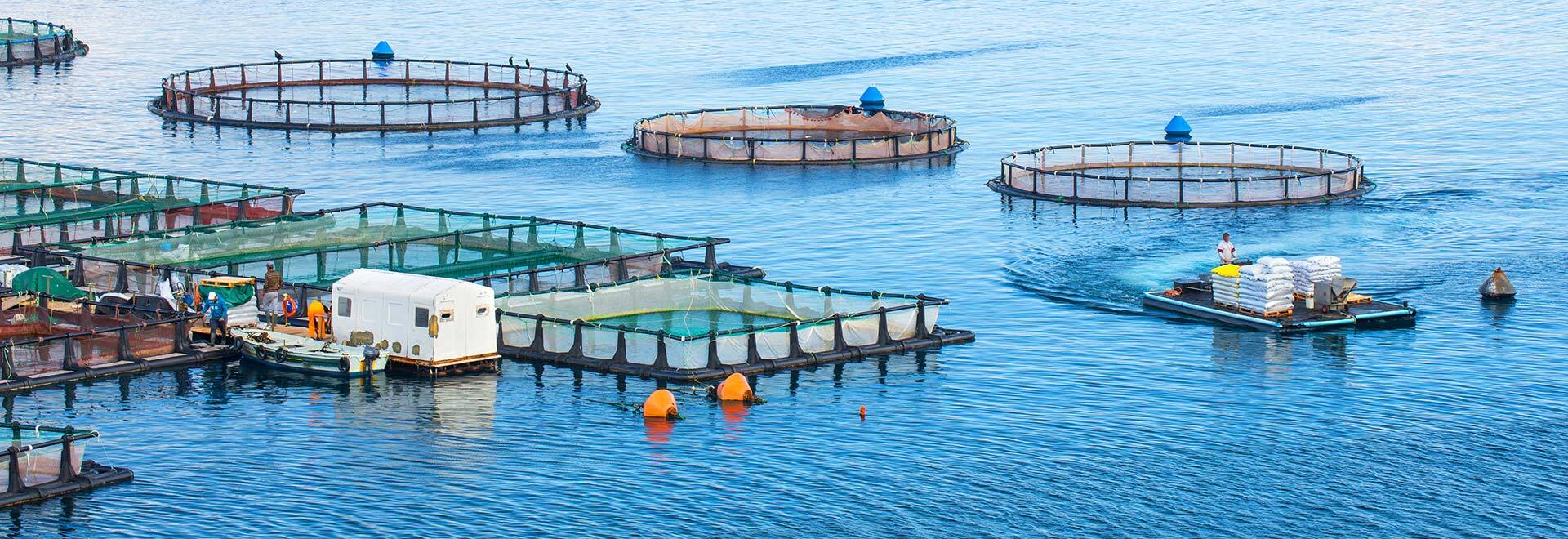
Aquaculture, the cultivation of fish and other aquatic organisms, is a promising but largely foreign concept in many local societies. While there has been significant encouragement for communities to adopt this farming method, it has not yet gained a strong foothold.
This is largely due to the initial capital outlay required for setting up the infrastructure, a hurdle that often deters prospective farmers. However, despite this initial investment, this type of farming offers substantial financial returns.
The market for fish is robust, and there is virtually no local competition. The traditional sources of wild fish, such as lakes and rivers, are rapidly being depleted by large-scale commercial dealers who often employ unsustainable and unfriendly fishing methods. This creates a ready and high-demand market for sustainably farmed fish.
Initial Investment
US$ 14,409
Fixed capital expenditure
Annual Costs
US$ 17,925
Operating expenses
Projected Revenue
US$ 184,800
First year estimate
These financial projections highlight the immense profitability potential of this venture.
Processes and Capacity
Pond Setup
A modest aquaculture operation would require a minimum of three ponds, each spanning approximately 4,000 square meters. These ponds are typically kept shallow, with a depth of around 1.5 meters, to ensure optimal sunlight penetration and oxygenation.
Preparation
The preparation process is crucial for success. After construction, the ponds are allowed to settle for two weeks before being fertilized. Fertilization involves using agricultural lime to balance the water's pH and organic fertilizers, such as chicken, duck, or turkey droppings, to encourage the growth of natural food sources like phytoplankton. In the absence of organic manure, artificial fertilizers like NPK and Urea can be used.
Stocking
Following the fertilization period, the ponds are ready for stocking. The recommended stocking density is five fish per square meter, with a specific ratio of three Tilapia to two Catfish. This ratio is carefully chosen to create a balanced ecosystem where the Catfish can help manage the Tilapia population, which tends to breed prolifically.
Feeding
The stocked fries are typically small, with Tilapia weighing between 5gms to 10 gms and Catfish measuring 3-5cm. For the initial six weeks, the fish are fed a high-protein diet using Aqua Starter feed to promote rapid growth. This is then switched to a more cost-effective Grower feed for the remainder of the growth cycle.
Harvest
The feeds are reduced after six months as the fish approach their desired market weight, allowing the farmer to cut costs in preparation for the sale. The entire process, from stocking to harvest, takes about six to seven months.
Requirements and Risk Mitigation
- Land: A piece of land with a reliable and permanent water source, preferably a swamp or wetland. Such land provides a consistent supply of water and has a natural soil composition that is ideal for pond construction.
- Construction: The construction of the ponds is a specialized task that is best entrusted to experienced professionals in the field to ensure proper design and structural integrity.
- Tools: A range of basic but essential tools for daily operations, including wheelbarrows for moving feed or soil, spades, slashes, and hoes for pond maintenance. A strong, wide netting sieve is also a key requirement for the eventual harvesting process.
- Water Quality: Consistent monitoring of water quality, including pH and dissolved oxygen levels, is critical for fish health.
- Security: A secure perimeter around the ponds is necessary to protect against predators and theft.
- Storage: A small storage facility is needed to protect feeds and tools from the elements and pests.
- Market: Building a strong relationship with local fish vendors and potentially a direct-to-consumer sales strategy would guarantee a market for the produce.
WhatsApp +255 716 655 236.
Aquaculture Business Capital Investment
Detailed Cost Breakdown
Total Capital Investment: US$ 14,409
This covers all initial setup costs for a 3-pond aquaculture operation
Itemized Capital Expenditure
| Item | Quantity | Unit Cost (US$) | Total Cost (US$) |
|---|---|---|---|
| Land Preparation | 1 site | 1,200 | 1,200 |
| Pond Construction (3 ponds) | 3 | 2,500 | 7,500 |
| Water Supply System | 1 | 800 | 800 |
| Initial Fish Stock (Tilapia & Catfish) | 60,000 fries | 0.03 | 1,800 |
| Feeding Equipment | 3 sets | 150 | 450 |
| Harvesting Equipment | 1 set | 500 | 500 |
| Water Testing Kit | 1 | 250 | 250 |
| Storage Facility | 1 | 1,200 | 1,200 |
| Security Fencing | 1 | 700 | 700 |
| TOTAL CAPITAL INVESTMENT | 14,409 | ||
Aquaculture Business Operating Costs
Annual Production Cycle Cost Breakdown
Total Annual Operating Cost
US$ 17,925
For a 3-pond operation with 2 production cycles per year
Estimated Annual Revenue
US$ 184,800
Based on market prices and projected yield
Detailed Operating Cost Breakdown
Fixed Costs (Annual)
| Cost Item | Quantity | Unit Cost (US$) | Annual Cost (US$) |
|---|---|---|---|
| Labor (2 workers) | 2 persons | 2,400 | 4,800 |
| Pond Maintenance | 3 ponds | 400 | 1,200 |
| Utilities (Water/Power) | - | - | 1,500 |
| Insurance | - | - | 800 |
| Administration | - | - | 1,200 |
| TOTAL FIXED COSTS | 9,500 | ||
Variable Costs (Per Production Cycle)
| Cost Item | Quantity | Unit Cost (US$) | Cost per Cycle (US$) | Annual Cost (2 cycles) (US$) |
|---|---|---|---|---|
| Fish Feed | 4,000 kg | 0.80 | 3,200 | 6,400 |
| Fertilizers | 300 kg | 0.50 | 150 | 300 |
| Fish Health Products | - | - | 200 | 400 |
| Fuel & Transportation | - | - | 150 | 300 |
| Harvesting/Packaging | - | - | 300 | 600 |
| Miscellaneous | - | - | 125 | 250 |
| TOTAL VARIABLE COSTS (ANNUAL) | 8,250 | |||
Cost Per Kilogram Analysis
Total Annual Production: 24,000 kg (12,000 kg per cycle × 2 cycles)
Operating Cost per kg: US$ 0.75 (17,925 ÷ 24,000)
Expected Selling Price per kg: US$ 7.70
Gross Profit per kg: US$ 6.95
Note: These estimates are based on a 3-pond operation with each pond producing approximately 4,000 kg of fish per cycle (6-7 month cycle). Actual costs may vary based on local conditions, feed prices, and production efficiency.
Fish Farming Business Proposal
Production Assumptions
- Production costs assumed 312 days per year with daily capacity of fish farming 60,000 fish.
- Depreciation (fixed asset write off) assumes 4-years life of assets written off at 25% per year for all assets.
- Direct costs include: materials, supplies and other costs that directly go into production of the product.
- Total monthly days assumed are 26-days.
- The valuation currency used is United States Dollars.
Market Analysis
This business proposal does not yield any profits in the first harvest after six months. This is due to a huge excavation cost for quality Ponds that lasts for 60 years.
The fish market is readily available because:
- The lake fish is very expensive and scarce since most of it is processed for export.
- The fish skeletons which were being sold to the public after processing for export are also currently exported.
Furthermore, aquaculture would be sustained better if the farmers would indulge in poultry and piggery because their droppings would be of great use in the ponds.
Fish Farming Project Financial Analysis
1. Production Cost Structure (Annual)
| Cost Item | Year 1 | Year 2 | Year 3 | Year 4 |
|---|---|---|---|---|
| Fixed Costs | ||||
| Pond Construction (Depreciation) | $25,000 | $25,000 | $25,000 | $25,000 |
| Equipment Depreciation | $10,000 | $10,000 | $10,000 | $10,000 |
| Salaries & Administration | $36,000 | $36,000 | $36,000 | $36,000 |
| Variable Costs | ||||
| Fingerlings | $42,000 | $42,000 | $42,000 | $42,000 |
| Feed | $84,000 | $84,000 | $84,000 | $84,000 |
| Labor | $24,000 | $24,000 | $24,000 | $24,000 |
| Utilities | $12,000 | $12,000 | $12,000 | $12,000 |
| Total Production Costs | $233,000 | $233,000 | $233,000 | $233,000 |
2. Price Structure & Revenue Projection
| Item | Unit | Price per Unit | Annual Volume | Annual Revenue |
|---|---|---|---|---|
| Mature Fish | per kg | $3.50 | 60,000 kg | $210,000 |
| Fish By-products | per kg | $1.20 | 5,000 kg | $6,000 |
| Total Revenue | $216,000 |
3. Profitability Analysis (Annual)
| Year | Revenue | Production Costs | Gross Profit | Profit Margin |
|---|---|---|---|---|
| Year 1 | $216,000 | $233,000 | ($17,000) | -7.9% |
| Year 2 | $216,000 | $233,000 | ($17,000) | -7.9% |
| Year 3 | $216,000 | $233,000 | ($17,000) | -7.9% |
| Year 4 | $216,000 | $233,000 | ($17,000) | -7.9% |
| 4-Year Total | $864,000 | $932,000 | ($68,000) | -7.9% |
4. Break-even Analysis
| Metric | Value |
|---|---|
| Break-even Price (per kg) | $3.88 |
| Break-even Volume (kg) | 66,571 kg |
| Current Market Price | $3.50 |
| Price Variance | -$0.38 (10.9% below break-even) |
5. Recommendations
- Explore premium market segments to increase selling price
- Implement cost-saving measures in feed and labor
- Consider diversifying into poultry/piggery for additional revenue
- Investigate government subsidies for aquaculture operations
- Optimize production cycles to increase annual yield
Need More Profitable Business Plans?
Contact Our Business Consultants
We specialize in creating customized, profitable business plans with detailed financial analysis for various industries including aquaculture, agriculture, and more.
Get in touch via WhatsApp for a free initial consultation:
+255 716 655 236Our services include:
- Comprehensive market analysis
- Detailed financial projections
- Profitability optimization strategies
- Break-even analysis
- Investment requirement planning
Click the WhatsApp button to start a conversation with our business consultants today!

 Newspaper is an amazing magazine blogger theme that is easy to use and change to fit your needs
No comments
Post a Comment