


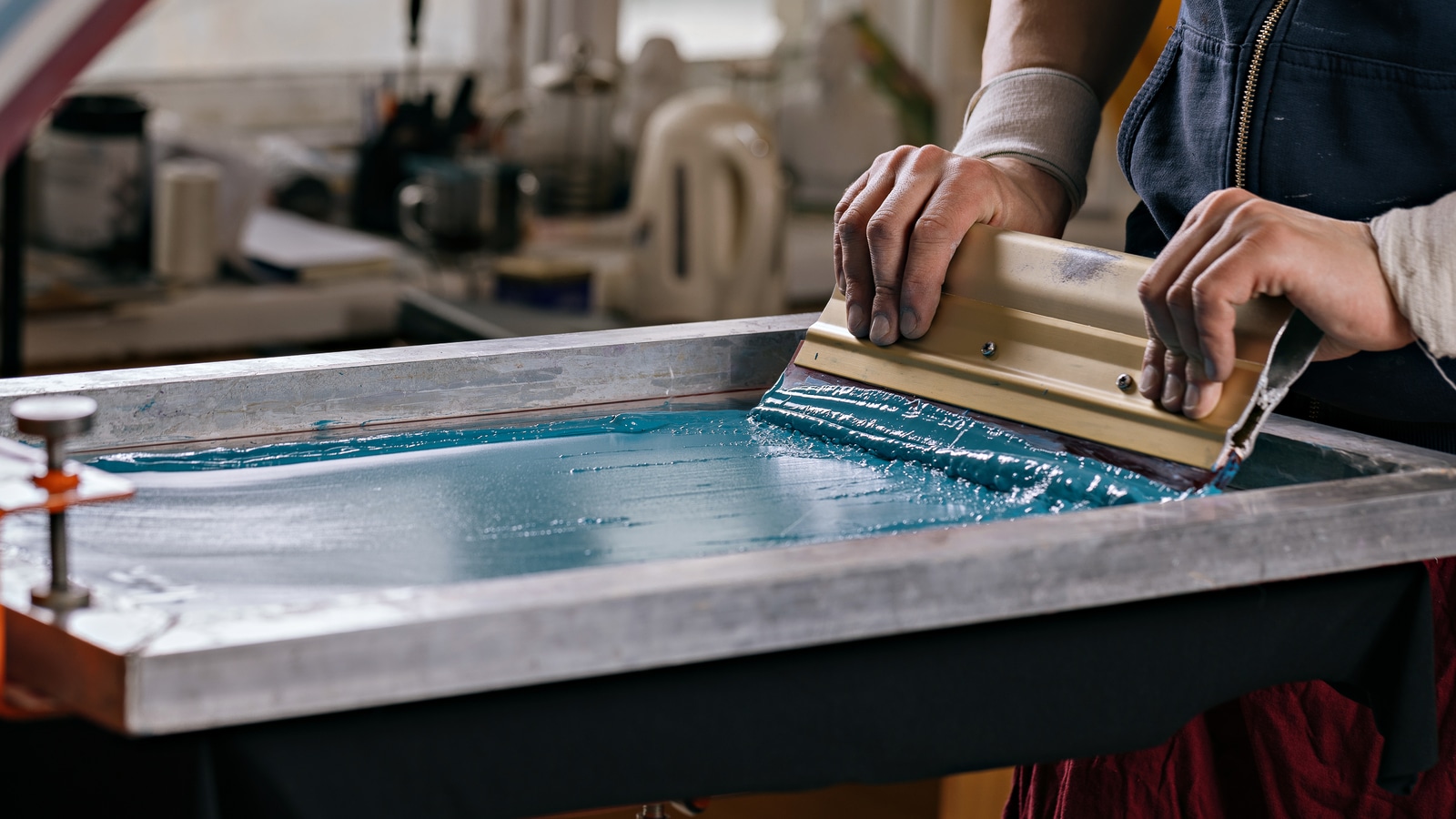
Business Plan for Block Screen Printing on Clothes
1. Executive Summary
This business plan outlines the establishment of a block screen printing enterprise specializing in the production of high-quality printed fabrics for traditional attire including kanzus, vitenge, and other African prints. The business will manufacture 5,200 yards of printed cloth monthly (62,400 yards annually), generating projected revenues of $26,000 per month ($312,000 annually) with a total startup investment of $163,503.
Key Business Highlights
- Production Capacity: 200 yards daily (5,200 yards monthly)
- Target Market: Fashion designers, retail fabric stores, export markets
- Gross Profit Margin: 47.8% ($12,430 monthly profit)
- Break-even Point: Estimated at 14 months
2. Production Process
Fabric Preparation
The base fabric is carefully inspected for quality before being dyed in the desired base colors. The cloth is then stretched and pinned over specially designed printing tables measuring approximately 10 meters in length to ensure even tension and prevent wrinkles during printing.
Block Printing
Artisans use hand-carved wooden blocks (100 different designs maintained in inventory) dipped in specialized fabric dyes to imprint patterns. For complex multi-color designs, precise registration marks ensure proper alignment between color layers. Each color requires separate blocks and a drying period between applications.
Post-Printing Treatment
After printing, the fabric undergoes chemical washing to set the colors and remove excess dye. The washing process uses environmentally friendly fixing agents that maintain color vibrancy while meeting international textile standards. The fabric is then dried in a controlled environment to prevent shrinkage or color bleeding.
Finishing & Packaging
Each yard undergoes rigorous quality control checking for color consistency and print alignment. Approved fabric is folded using sari rollers to prevent creasing, then packaged in protective plastic with moisture absorbers for wholesale distribution. Custom packaging options are available for premium clients.
Equipment Requirements
| Item | Unit | Quantity | Unit Cost (USD) | Total Cost (USD) | |
|---|---|---|---|---|---|
| Design blocks | No | 100 | 5 | 500 | |
| Sari rollers | No | 5 | 5 | 25 | |
| Printing tables | No | 4 | 35 | 140 | |
| Dyeing equipment | Set | 1 | 2,000 | 2,000 | |
| Drying racks | Set | 2 | 150 | 300 | |
| Total Equipment Cost | $2,965 | ||||
3. Market Analysis
The African textile market has experienced significant growth, currently valued at over $31 billion, with increasing demand for authentic African prints both locally and internationally. This business will capitalize on several key market trends:
Market Drivers
- Cultural Renaissance: Growing global appreciation for African designs and patterns
- Fashion Industry Growth: African fashion industry growing at 7% annually
- Import Substitution: Government policies promoting local manufacturing
- E-commerce Expansion: Online platforms enabling wider distribution
Target Customer Segments
- Fashion Designers (40%): Bulk buyers creating custom clothing lines
- Retail Fabric Stores (30%): Selling directly to home sewers
- Export Markets (20%): African diaspora in Europe/North America
- Corporate Clients (10%): Custom prints for uniforms and events
Competitive Landscape
The market features several types of competitors:
| Competitor Type | Advantages | Disadvantages | Our Differentiation |
|---|---|---|---|
| Large Importers | Lower prices | Generic designs, long lead times | Authentic local designs, faster delivery |
| Small Local Printers | Cultural understanding | Limited capacity, inconsistent quality | Standardized processes, higher output |
| Digital Printers | Design flexibility | Higher costs, less authentic look | Traditional handcrafted appeal |
4. Financial Projections
Startup Costs
| Category | Amount (USD) |
|---|---|
| Equipment | 2,965 |
| Initial Inventory | 13,000 |
| Workshop Setup | 5,000 |
| Working Capital | 142,538 |
| Total Investment | 163,503 |
Monthly Operating Costs
| Expense | Amount (USD) |
|---|---|
| Raw Materials (Fabric) | 13,000 |
| Dyes & Chemicals | 156 |
| Labor (5 employees) | 300 |
| Utilities | 25 |
| Rent | 75 |
| Packaging | 14 |
| Total Monthly Costs | 13,570 |
5-Year Financial Projection
| Year | Revenue (USD) | Costs (USD) | Profit (USD) | Growth Rate |
|---|---|---|---|---|
| 1 | 312,000 | 162,840 | 149,160 | - |
| 2 | 343,200 | 176,000 | 167,200 | 12% |
| 3 | 395,000 | 198,000 | 197,000 | 18% |
| 4 | 454,000 | 220,000 | 234,000 | 15% |
| 5 | 522,000 | 245,000 | 277,000 | 15% |
5. Risk Analysis & Growth Strategy
Risk Management
| Risk Factor | Probability | Impact | Mitigation Strategy |
|---|---|---|---|
| Fluctuating Cotton Prices | High | Medium | Fixed-price contracts with suppliers |
| Equipment Failure | Medium | High | Preventive maintenance schedule |
| Competition from Imports | High | High | Emphasize quality and authenticity |
| Power Outages | High | High | Backup generator investment |
Expansion Plan
Year 1: Market Establishment
Focus on perfecting production processes and building local client base. Target 10-15 regular wholesale customers.
Year 2: Regional Expansion
Expand distribution to neighboring countries (Kenya, Tanzania) through trade partnerships.
Year 3: Product Diversification
Introduce new product lines including ready-to-wear items and home textiles using same prints.
Year 5: Export Growth
Establish direct export channels to European and North American markets serving African diaspora.
Ready to Start Your Textile Printing Business?
Get a customized business plan with detailed financial projections for your specific location and market conditions.
Contact Us on WhatsApp+255 716 655 236 | Email: info@textilebusiness.com
Get Customized Business Solutions
Our team specializes in developing profitable business plans with comprehensive financial analysis tailored to your market and investment capacity.
Free initial consultation to discuss your business concept

 Newspaper is an amazing magazine blogger theme that is easy to use and change to fit your needs
No comments
Post a Comment