


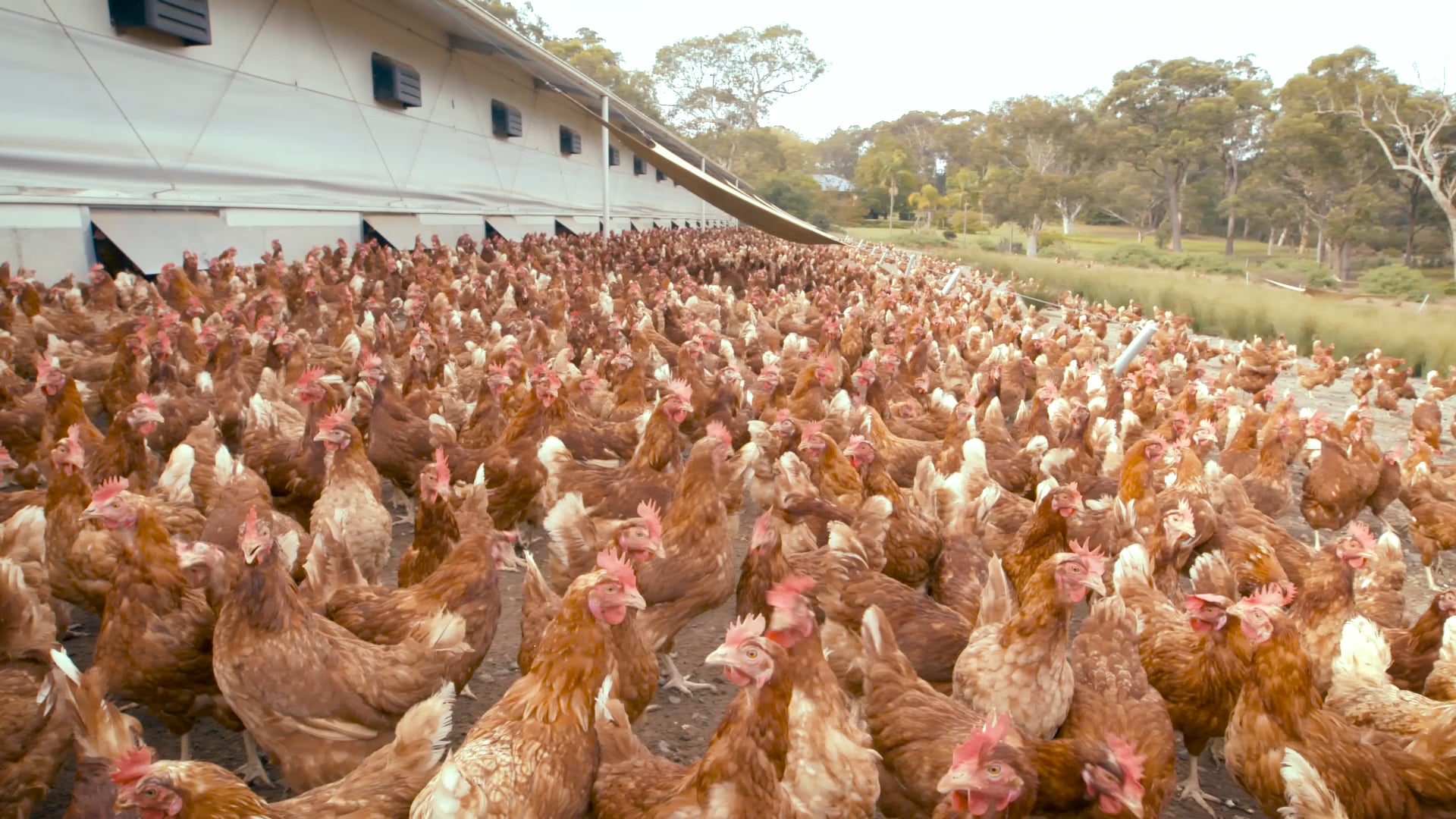
Free-Range Organic Egg Farming Business Plan
1. The Core Idea
"We provide health-conscious families and local businesses with daily fresh, organic free-range eggs through sustainable small-scale poultry farming with full transparency from coop to kitchen."
The What:
Our business produces and sells premium-quality eggs from chickens raised in free-range, organic conditions. The product includes:
- Daily fresh eggs (white, brown, and specialty colored varieties)
- Organic feed-supplemented free-range production
- Transparent farming practices with optional farm visits
- Subscription-based home delivery service
- Bulk supply to local restaurants and grocery stores
The Who:
Our target customers are:
- Health-conscious families (aged 25-55, middle to upper-middle class) who prioritize organic, ethically-produced food
- Local restaurants and cafes focusing on farm-to-table concepts
- Organic grocery stores and specialty food shops
- Bakers and pastry chefs who value high-quality eggs for their recipes
The Why:
We solve several problems for our customers:
- Provides reliable access to truly free-range eggs (many commercial "free-range" operations are misleading)
- Addresses growing concerns about food safety and antibiotic use in poultry
- Solves the problem of inconsistent quality in supermarket eggs
- Meets the demand for locally-produced, sustainable food options
- Offers transparency that industrial egg producers cannot match
The How (Differentiator):
Our unique approach includes:
- True free-range practices: Chickens have significant outdoor access (minimum 4 hours daily)
- Mobile chicken coops: Rotating grazing areas to ensure fresh pasture and prevent disease
- Feed transparency: Customers can know exactly what their chickens are eating
- Chicken cam: Optional live streaming of the flock for premium customers
- Egg traceability: Each carton has a code tracing back to the date/location of collection
2. The Market and Opportunity
Market Size:
The global organic egg market was valued at $8.3 billion in 2022 and is projected to grow at 6.8% CAGR through 2030. In local terms:
- Urban areas show 15-20% annual growth in demand for organic eggs
- 75% of consumers are willing to pay 20-30% premium for truly free-range eggs
- The average household consumes approximately 200 eggs per year
The Gap:
Current market deficiencies we address:
- Most commercial "free-range" operations still confine chickens in large barns with minimal outdoor access
- Supermarket eggs average 2-4 weeks old by purchase time
- Lack of transparency in poultry farming practices
- Limited availability of truly pasture-raised eggs in many areas
Competition and Advantage:
| Competitor Type | Their Limitations | Our Advantage |
|---|---|---|
| Industrial Egg Farms | Low prices but poor animal welfare, older eggs | Freshness, ethical standards, local presence |
| Other Free-Range Farms | Often small production, inconsistent supply | Scalable model with consistent quality |
| Organic Supermarkets | High prices, unknown supply chain | Direct relationship with producer, better pricing |
Our competitive edge comes from combining true free-range practices with professional operations and direct marketing that builds customer trust.
3. The Business Model
Revenue Streams:
- Direct Consumer Sales:
- Farm stand sales (highest margin)
- Home delivery subscriptions (weekly/bi-weekly)
- Farmers' market stalls
- Commercial Accounts:
- Restaurants and cafes (contract pricing)
- Organic grocery stores (wholesale)
- Bakeries (bulk sales)
- Ancillary Revenue:
- Chicken manure sales to gardeners
- Educational farm tours
- Sponsorship/adoption programs for chickens
Pricing Strategy:
- Retail: $5-7/dozen (2-3× conventional eggs but comparable to premium organic)
- Subscription: $22-25/month for 5 dozen (10% discount)
- Commercial: $3.50-4.50/dozen based on volume
- Premium: $8-10/dozen for rare breeds with live cam access
Cost Structure:
Primary expenses and management strategies:
| Cost Category | Estimated % | Management Approach |
|---|---|---|
| Feed | 30% | Bulk purchasing, supplement with pasture |
| Labor | 25% | Owner-operated initially, then part-time help |
| Housing/Equipment | 20% | DIY coops, mobile units for rotational grazing |
| Chicks | 10% | Buy pullets to reduce brooding costs |
| Marketing | 10% | Social media focus, word-of-mouth |
| Miscellaneous | 5% | Vet care, transportation, packaging |
4. The "How" of Execution
Production/Operations:
Phase 1 (Startup - 6 months):
- Start with 200-300 laying hens (various breeds for egg diversity)
- Construct 4 mobile coops (50 hens each) with rotational pasture access
- Establish relationships with organic feed suppliers
- Set up basic processing area for cleaning/candling eggs
Phase 2 (6-18 months):
- Expand to 500-700 hens as demand grows
- Add egg washing/grading equipment
- Develop value-added products (liquid eggs, pickled eggs)
- Implement chicken cam technology
Marketing and Sales:
- Digital Presence: Farm website with online ordering, Instagram showing happy chickens
- Local Partnerships: Cross-promotions with organic cafes, cooking demos
- Community Engagement: Sponsor school programs, host farm days
- Packaging: Distinctive branded cartons that tell our story
- Sampling: Free dozen to influential local chefs
The Team:
Initial Team:
- Owner/Operator: Poultry experience + business background
- Part-time farm assistant: Daily feeding/collection
- Delivery driver (contractor)
Future Needs:
- Sales/marketing specialist
- Additional farm labor
- Accountant/bookkeeper
Need More Business Ideas?
Contact us via WhatsApp: +255 716 652 236

 Newspaper is an amazing magazine blogger theme that is easy to use and change to fit your needs
No comments
Post a Comment