


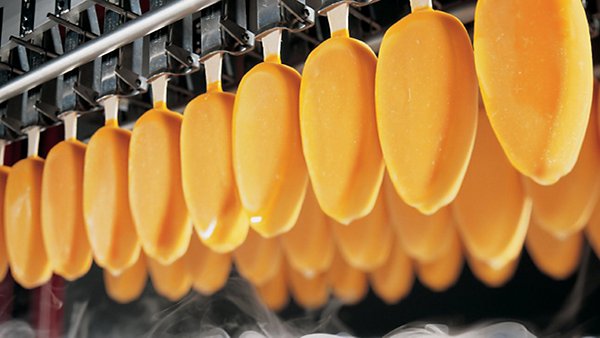
Ice Cream Production Business Plan
Business Overview: This plan outlines the establishment of a small-scale ice cream production unit with a daily capacity of 50 liters. The business will focus on premium-quality, artisanal ice cream using natural ingredients.
1. Introduction
The ice cream industry is a thriving sector with consistent demand year-round. Our business will produce high-quality, artisanal ice cream with unique flavors to differentiate from mass-market competitors. Key features include:
- Daily production capacity: 50 liters (expandable to 100 liters)
- Target markets: Cafés, local retailers, and direct consumers
- Unique selling proposition: Organic ingredients and innovative flavors
- Operational base: Small production facility with 2 employees
2. Production Process
Our ice cream production follows these key steps:
- Mixing: Blend milk, cream, sugar, and stabilizers
- Pasteurization: Heat mixture to 71°C for 30 minutes
- Homogenization: Create smooth texture under pressure
- Aging: Refrigerate mixture for 4-24 hours
- Flavoring: Add natural flavors, fruits, or inclusions
- Freezing: Churn at -6°C to incorporate air
- Packaging: Fill containers and harden at -30°C
- Storage: Keep at -18°C until distribution
3. Materials Needed
| Raw Material | Monthly Quantity | Supplier Source |
|---|---|---|
| Fresh Milk | 300 liters | Local dairy farms |
| Heavy Cream | 150 liters | Regional dairy co-op |
| Sugar | 50 kg | Wholesale food distributor |
| Flavorings | Varies | Specialty food suppliers |
| Packaging | 1,500 units | Packaging manufacturer |
4. Market Analysis
The global ice cream market was valued at $70 billion in 2022, with artisanal segments growing at 8% annually. Local opportunities include:
- Target Customers:
- Cafés and restaurants (40% of sales)
- Local grocery stores (30%)
- Direct consumers via events (30%)
- Competitive Advantage:
- Premium ingredients
- Unique flavor profiles
- Small-batch quality control
- Pricing Strategy: $3.50-$5.00 per 500ml container (wholesale)
5. Capital Investment
| Item | Cost (USD) |
|---|---|
| Ice cream machine | $8,000 |
| Freezers | $3,500 |
| Mixing equipment | $2,000 |
| Packaging machine | $1,500 |
| Initial ingredient stock | $1,200 |
| Licenses/permits | $800 |
| Total Initial Investment | $17,000 |
6. Production Costs (Annual)
| Cost Category | Amount (USD) |
|---|---|
| Raw materials | $14,400 |
| Labor (2 employees) | $24,000 |
| Packaging | $3,600 |
| Utilities | $2,400 |
| Transportation | $1,800 |
| Marketing | $1,200 |
| Total Annual Operating Costs | $47,400 |
7. Profitability Analysis
| Metric | Value |
|---|---|
| Projected Annual Revenue (15,000 units at $3.50) | $52,500 |
| Annual Operating Costs | $47,400 |
| Gross Profit | $5,100 |
| Profit Margin | 9.7% |
| Break-even Point (units) | 13,540 |
8. Government Facilities and Incentives
The following support programs are available:
- Small Business Grants: Up to $5,000 for food startups
- Tax Incentives: 2-year tax holiday for new food businesses
- Training Programs: Free food safety certification courses
- Export Assistance: Subsidies for international market development
Conclusion: This ice cream production business requires $17,000 in initial investment with projected annual revenue of $52,500. By focusing on quality and unique flavors, we anticipate capturing 5-7% of the local premium ice cream market within two years.
Request Detailed Financial Projections
 Newspaper is an amazing magazine blogger theme that is easy to use and change to fit your needs
No comments
Post a Comment