


Catering Business Guide
Your complete roadmap to starting a successful catering business in East Africa
What is a Catering Business?
A catering business provides food service for events ranging from small private gatherings to large corporate functions. Unlike a restaurant with a fixed location, catering services bring food and dining experiences to clients at their chosen venues. This business involves menu planning, food preparation, transportation, setup, service, and cleanup. Caterers may specialize in specific types of events like weddings, corporate meetings, or social gatherings, or offer a broad range of services.
The catering industry offers several business models: full-service catering (handling all aspects from food to service), drop-off catering (providing food only), mobile catering (food trucks or kiosks), and specialized catering (focusing on specific cuisines or dietary needs). Success in catering requires excellent culinary skills, strong organizational abilities, and the capacity to manage logistics for events of varying sizes and complexities.
A well-run catering business can be highly profitable with margins typically ranging from 15-30%. The business allows for creativity in menu development and presentation while building relationships with clients through memorable culinary experiences. With the growing demand for professionally catered events in East Africa, this business presents significant opportunities for entrepreneurs with passion for food and service.
Business Environment in East Africa
The catering industry in East Africa has experienced substantial growth over the past decade, driven by economic development, urbanization, and evolving consumer preferences. Countries like Kenya, Tanzania, Uganda, and Rwanda have seen increased demand for catering services, particularly in urban centers where corporate activity and disposable incomes are rising. The region's growing middle class increasingly values convenience and quality in food services for both personal and professional events.
The business environment presents both opportunities and challenges. Favorable factors include a rich culinary heritage that can be leveraged, growing tourism industry creating demand for event services, and increasing adoption of Western-style celebrations requiring professional catering. The corporate sector expansion has also driven demand for business catering for meetings, conferences, and corporate events.
Challenges include competition from established restaurants offering catering services, logistical difficulties in some areas, seasonal fluctuations in demand, and navigating varying food safety regulations across different regions. However, the market remains far from saturated, especially for caterers who can differentiate themselves through unique offerings, quality service, and cultural understanding. Success requires adapting to local tastes while introducing innovative concepts and maintaining high standards of food safety and presentation.
Market Analysis
The catering market in East Africa can be segmented into corporate catering, social event catering (weddings, parties), and specialized catering (diet-specific, cultural cuisine). Corporate clients represent a stable revenue source with regular orders for meetings and events, while social catering offers higher per-event value but may be less predictable. The growing health consciousness has created demand for specialized catering services focusing on dietary restrictions, organic ingredients, and specific nutritional requirements.
Competition varies across the region, with major urban centers having more established catering services while smaller towns present opportunities for market entry. The market includes everything from large catering companies serving multinational corporations to small specialized caterers focusing on niche markets. Differentiation is key to success, whether through unique culinary offerings, exceptional presentation, specialized diets, or superior service quality.
Market trends include demand for fusion cuisine blending local and international flavors, sustainable and eco-friendly packaging options, interactive food stations at events, and customized menu options. Pricing strategies must balance affordability with quality positioning, considering local economic conditions while meeting the expectations of different client segments. The market shows strong growth potential, especially with the region's economic development and increasing adoption of professional catering services for events.
Ideal Location
Selecting the right location is critical for a catering business's success. While caterers don't need prime retail space, accessibility and practical considerations are important. Commercial kitchen facilities in urban centers provide proximity to potential corporate clients and event venues. Areas with good transportation links are essential for efficient delivery to event locations. For businesses focusing on wedding catering, locations near popular wedding venues or event spaces can be advantageous.
Many catering businesses start from home kitchens (where regulations permit) or shared commercial kitchen spaces to minimize overhead costs. As the business grows, investing in a dedicated kitchen facility with adequate storage, preparation areas, and refrigeration becomes necessary. The location should have reliable utilities (water, electricity, gas) and comply with local health and safety regulations for food businesses.
Consider proximity to suppliers for fresh ingredients to reduce costs and ensure quality. For businesses targeting specific market segments, location near those demographics is beneficial (e.g., near business districts for corporate catering). The space should allow for efficient workflow from food preparation to packaging and loading for delivery. Ample parking for staff and loading areas for vehicles are practical necessities often overlooked by new caterers.
Potential Customers
The customer base for a catering business in East Africa is diverse. Corporate clients include multinational corporations, local businesses, NGOs, and government agencies requiring catering for meetings, conferences, training sessions, and corporate events. These clients value reliability, professionalism, and the ability to handle large orders with consistent quality. They often provide repeat business and larger orders, making them highly valuable customers.
Individual clients seeking social event catering primarily include couples planning weddings, families organizing celebrations (birthdays, anniversaries, graduation parties), and individuals hosting special occasions. The growing middle class and affluent segments are increasingly willing to invest in professional catering services to ensure memorable events without the stress of self-catering. These clients often prioritize presentation, taste, and menu creativity.
Other potential customers include educational institutions requiring catering for events, religious organizations planning large gatherings, event planning companies that subcontract catering services, and tourism-related businesses like hotels and tour operators. Each customer segment has different needs, budget considerations, and expectations, requiring tailored approaches in service offering, pricing, and marketing strategies. Building a diverse client base helps stabilize revenue across seasonal fluctuations.
Advertising Strategies
Effective advertising is essential for attracting clients to your catering business. Digital marketing offers powerful tools including a professional website showcasing your menu, gallery of previous events, and client testimonials. Social media presence on platforms like Instagram and Facebook is crucial for visual businesses like catering, allowing you to showcase food presentation and behind-the-scenes content. Search engine optimization (SEO) helps potential clients find your services when searching for caterers in your area.
Networking remains crucial in the catering industry. Building relationships with event planners, venue managers, wedding coordinators, and other industry professionals can lead to valuable referrals. Participating in wedding expos, business fairs, and industry events increases visibility among potential clients and partners. Offering tasting sessions or sample boxes to event planners and corporate decision-makers can demonstrate your quality and presentation.
Traditional advertising methods still have value, particularly in local markets. This includes printed materials (brochures, business cards) distributed to venues and related businesses, local magazine features, and targeted direct mail to businesses in commercial areas. Partnerships with complementary businesses like florists, bakeries, or event rental companies can create cross-promotion opportunities. Finally, exceptional service delivery leads to word-of-mouth referrals, which remain the most powerful marketing channel in the catering industry.
Technological Equipment for Differentiation
Investing in the right technology and equipment can significantly differentiate your catering business from competitors. Commercial-grade kitchen equipment is fundamental, including industrial ovens, ranges, refrigeration units, and food preparation stations that enable efficient large-scale cooking while maintaining food quality and safety. Specialized equipment like blast chillers for rapid cooling, convection steamers for healthy cooking, and sous-vide machines for precision cooking can elevate your culinary offerings beyond basic catering services.
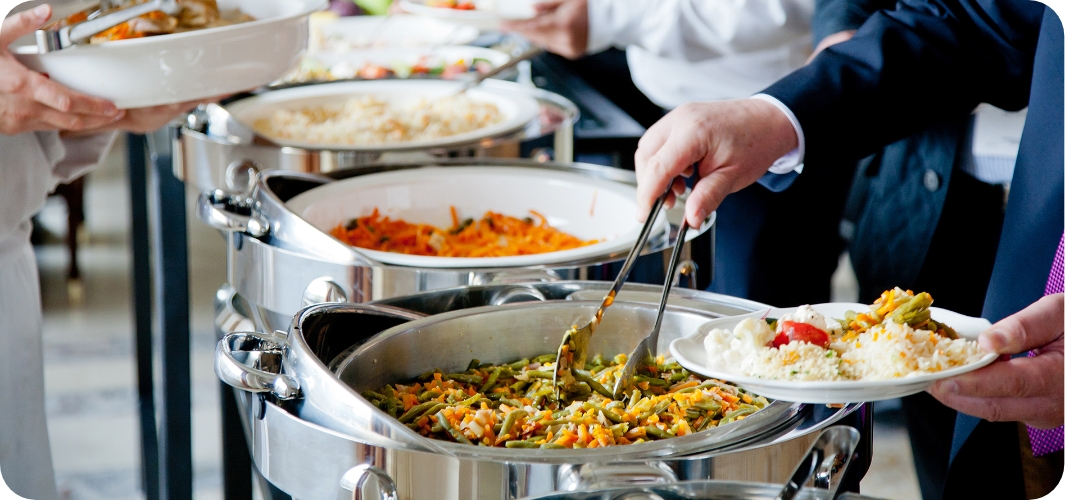
Presentation equipment creates memorable dining experiences that distinguish your service. This includes elegant chafing dishes with fuel sources for buffet service, portable induction warmers for keeping food at perfect temperatures, attractive serving platters and utensils, and customized display pieces that reflect your brand identity. For beverage service, commercial coffee makers, dispensers for both hot and cold drinks, and mobile bars can expand your service offerings.
Logistics technology ensures professional delivery and setup. Temperature-controlled delivery vehicles with separate compartments for hot, cold, and frozen items maintain food safety and quality during transport. Mobile payment systems, inventory management software, and event planning applications streamline operations and enhance client experience. Online ordering systems with menu customization options provide convenience for clients while reducing administrative workload. Investing in these technologies demonstrates professionalism and enables efficient service delivery that can justify premium pricing.
Need More Business Ideas?
Contact us for custom business plans and consultation
Contact Us on WhatsApp+255 716 655 236

 Newspaper is an amazing magazine blogger theme that is easy to use and change to fit your needs
No comments
Post a Comment