Six-Month Chicken Farming Investment Plan

Six-Month Chicken Farming Investment Plan

Six-Month Chicken Farming Investment Plan

From 1-month chicks to 500 chickens with profitable egg production

Introduction

This six-month investment plan outlines a strategic approach to establishing a profitable chicken farming business focused on egg production. Starting with 1-month-old chicks at a cost of 6,000 TZS per chick, the plan guides you through the process of growing your flock to 500 chickens and beginning commercial egg production.

Poultry farming represents a viable business opportunity in Tanzania, with consistent demand for eggs in both urban and rural markets. With proper management and strategic planning, this venture can generate sustainable income and contribute to food security.

Note: This plan assumes you already have or will acquire basic knowledge of poultry management, including feeding, vaccination schedules, and disease prevention. Consultation with local agricultural extension officers is recommended for region-specific advice.

Investment Plan

The investment plan is structured over six months, progressing from acquiring chicks to establishing a productive laying flock. The initial focus is on proper housing, feeding, and healthcare to ensure high survival rates and optimal growth.

Initial Setup Requirements

  • Land: Secure adequate space for housing 500 chickens (approximately 500-750 sq ft)
  • Poultry House: Construct or renovate a well-ventilated, secure shelter
  • Equipment: Feeders, drinkers, lighting system, nesting boxes
  • Utilities: Reliable water source and electricity for lighting
  • Biosecurity: Foot baths, fencing, and controlled access to prevent disease

Six-Month Implementation Timeline

Month 1
  • Acquire 500 one-month-old chicks
  • Set up brooder area with heat lamps
  • Begin vaccination program
  • Provide starter feed (high protein)
  • Monitor closely for signs of disease
Month 2
  • Transition chicks to grower feed
  • Continue vaccination schedule
  • Expand living space as chicks grow
  • Introduce grit for digestion
  • Begin training for perching
Month 3
  • Complete vaccination program
  • Monitor growth and weight gain
  • Prepare laying area with nesting boxes
  • Adjust feed to support development
  • Implement parasite control
Month 4
  • Transition to layer feed (high calcium)
  • Install proper lighting for egg production
  • Expect first eggs from early maturing birds
  • Establish egg collection and storage system
  • Begin marketing efforts for future sales
Month 5
  • Full egg production expected
  • Implement daily egg collection routine
  • Begin commercial sales
  • Monitor feed consumption and adjust as needed
  • Record keeping for production metrics
Month 6
  • Stable production established
  • Evaluate flock performance
  • Plan for flock replacement or expansion
  • Analyze profitability and adjust operations
  • Explore value-added products

Cost Breakdown

Item Quantity Unit Cost (TZS) Total Cost (TZS)
1-month-old chicks 500 6,000 3,000,000
Feed (6 months) 7,500 kg 1,200 9,000,000
Vaccines & Medication 500 birds 1,500 750,000
Housing & Equipment 1 setup - 2,500,000
Labor (6 months) 1 person 200,000/month 1,200,000
Utilities & Miscellaneous 6 months 100,000/month 600,000
Total Estimated Investment 17,050,000

Note: Costs are estimates and may vary based on location, supplier, and specific circumstances.

Benefits and Profitability Analysis

With proper management, your chicken farming venture can yield significant returns. The primary revenue stream will come from egg sales, with potential additional income from selling spent hens or manure.

Revenue Projection

Metric Calculation Value
Number of Laying Hens 500 × 90% survival rate 450 hens
Average Daily Egg Production 450 × 80% laying rate 360 eggs/day
Monthly Egg Production 360 × 30 days 10,800 eggs/month
Eggs per Tray Standard tray 30 eggs
Monthly Trays Produced 10,800 ÷ 30 360 trays
Revenue per Tray Sales price 5,000 TZS
Monthly Revenue 360 × 5,000 1,800,000 TZS

Monthly Operating Costs

  • Feed: 1,500,000 TZS (approximately 1,250 kg of layer feed per month)
  • Labor: 200,000 TZS
  • Utilities & Miscellaneous: 100,000 TZS
  • Total Monthly Operating Cost: 1,800,000 TZS

Profitability Analysis

Based on the projections above, your monthly revenue of 1,800,000 TZS would cover your monthly operating costs of 1,800,000 TZS. This means the business would break even on monthly operations once established.

Key Insight: While the monthly revenue covers operating expenses, the initial investment of approximately 17,050,000 TZS would need to be recovered over time. With consistent production, you could recover your initial investment in approximately 9-12 months of operation after reaching full production.

Additional Benefits

  • Food Security: Contributes to local food production and availability
  • Employment: Creates job opportunities in your community
  • Manure Production: Chicken manure can be sold as organic fertilizer
  • Asset Appreciation: Infrastructure and equipment retain value
  • Business Expansion: Foundation for scaling up operations

Conclusion

This six-month chicken farming investment plan provides a roadmap for establishing a sustainable egg production business. Starting with 500 one-month-old chicks at 6,000 TZS each, you can build a flock that reaches full production capacity within six months.

While the initial investment is substantial, the recurring revenue from egg sales at 5,000 TZS per tray provides a pathway to profitability. Success depends on careful management, attention to animal health, and efficient operations.

With dedication and proper implementation, this venture can generate stable income while contributing to local food production and creating employment opportunities in your community.

Disclaimer: This business plan contains projections and estimates that may vary based on actual market conditions, management practices, and external factors. Conduct thorough research and consult with agricultural experts before investing.

© 2023 Poultry Farming Investment Plan

Ann Cleaning Company Business Plan

Cleaning Company Business Plan - Complete Setup Guide

Cleaning Company Business Plan

Complete Setup Guide with Equipment, Costs, and Implementation Strategy

Business Overview

This comprehensive plan outlines everything needed to start and operate a successful cleaning company. The plan covers residential, commercial, and specialized cleaning services with a focus on professionalism, efficiency, and customer satisfaction.

Business Model Options

  • Residential Cleaning: Regular home cleaning, deep cleaning, move-in/move-out cleaning
  • Commercial Cleaning: Office spaces, retail stores, medical facilities
  • Specialized Services: Carpet cleaning, window cleaning, post-construction cleanup
  • Recurring Contracts: Weekly, bi-weekly, or monthly maintenance cleaning

Essential Equipment & Supplies

Cleaning Equipment

  • Commercial vacuum cleaners (2-3 units)
  • Floor scrubbers/polishers (1 unit)
  • Carpet cleaning machines (1 unit)
  • Pressure washers (1 unit)
  • Window cleaning equipment
  • Microfiber mops and buckets

Cleaning Supplies

  • All-purpose cleaners
  • Glass cleaners
  • Disinfectants
  • Floor cleaners
  • Bathroom cleaners
  • Degreasers

Tools & Accessories

  • Microfiber cloths (various types)
  • Scrub brushes
  • Dusting tools
  • Extension poles
  • Squeegees
  • Trash bags

Safety Equipment

  • Protective gloves
  • Safety goggles
  • Knee pads
  • Respirators/masks
  • First aid kits

Transportation & Storage

  • Vehicle (van or truck)
  • Storage containers
  • Equipment carts
  • Uniforms for staff

Business Essentials

  • Business registration
  • Insurance policies
  • Accounting software
  • Marketing materials
  • Booking system

Startup Cost Breakdown

Item Quantity Unit Price ($) Total Cost ($)
Commercial vacuum cleaner 2 300 600
Floor scrubber/polisher 1 800 800
Carpet cleaning machine 1 1,200 1,200
Pressure washer 1 400 400
Window cleaning kit 2 150 300
Microfiber mops & buckets 4 sets 50 200
Cleaning chemicals (initial stock) 1 500 500
Microfiber cloths (various) 100 2 200
Cleaning tools & brushes 1 set 200 200
Safety equipment 4 sets 50 200
Storage containers & carts 1 300 300
Staff uniforms 5 sets 40 200
Vehicle down payment 1 2,000 2,000
Business registration & licenses 1 500 500
Insurance (first month) 1 300 300
Accounting software 1 50 50
Website development 1 800 800
Marketing materials 1 500 500
Initial advertising budget 1 1,000 1,000
TOTAL STARTUP COST $10,850

Budget Note

This is a comprehensive startup estimate. You can reduce initial costs by starting with basic equipment and expanding as your business grows. Always maintain a 3-month operating expense reserve.

Business Implementation Plan

Phase 1: Pre-Launch (1-2 Months)

  • Business registration and legal structure setup
  • Develop business plan and financial projections
  • Secure necessary licenses and permits
  • Purchase business insurance (liability, bonding)
  • Set up business bank account and accounting system
  • Develop service packages and pricing strategy

Phase 2: Equipment & Setup (2-4 Weeks)

  • Purchase cleaning equipment and supplies
  • Set up storage/organization system
  • Acquire vehicle and branding
  • Develop operational procedures and checklists
  • Create employee training materials
  • Set up booking and scheduling system

Phase 3: Marketing & Branding (Ongoing)

  • Develop company branding and logo
  • Create professional website with booking capability
  • Print business cards, flyers, and marketing materials
  • Set up social media profiles
  • Launch local advertising campaigns
  • Network with real estate agents and property managers

Phase 4: Operations & Growth (Ongoing)

  • Hire and train cleaning staff
  • Implement quality control procedures
  • Establish customer service protocols
  • Develop referral and loyalty programs
  • Expand service offerings based on demand
  • Monitor financial performance and adjust as needed

Pricing Strategy

Residential Cleaning Rates

  • Standard Cleaning: $100-$200 per visit (2-3 bedroom home)
  • Deep Cleaning: $200-$400 per visit
  • Move-In/Move-Out: $250-$500 depending on size
  • Recurring Discount: 10-15% for weekly/bi-weekly service

Commercial Cleaning Rates

  • Per Square Foot: $0.05-$0.20 per sq ft monthly
  • Hourly Rate: $30-$50 per cleaner per hour
  • Project-Based: Quote based on specific requirements

Marketing Plan

  • Digital Marketing: SEO-optimized website, Google My Business, social media
  • Local Advertising: Flyers in neighborhoods, local newspaper ads
  • Networking: Real estate agents, property managers, local businesses
  • Referral Program: Discounts for customer referrals
  • Partnerships: Cross-promotion with complementary businesses

Staffing Plan

  • Start Small: Begin with 1-2 cleaners plus yourself
  • Hiring Criteria: Reliability, attention to detail, good communication
  • Training: Standardized cleaning procedures, customer service
  • Compensation: Hourly rate $15-$20 plus performance bonuses
  • Growth: Add staff as client base expands

Disclaimer: This business plan is a template. Conduct thorough market research and create a detailed financial plan before starting your business.

© 2025 Cleaning Company Business Plan Guide

Ann Chicken Coop Construction Plan

500-Chicken Coop Construction Plan

500-Chicken Coop Construction Plan

Complete Guide with Materials, Costs, and Step-by-Step Instructions

Coop Design Overview

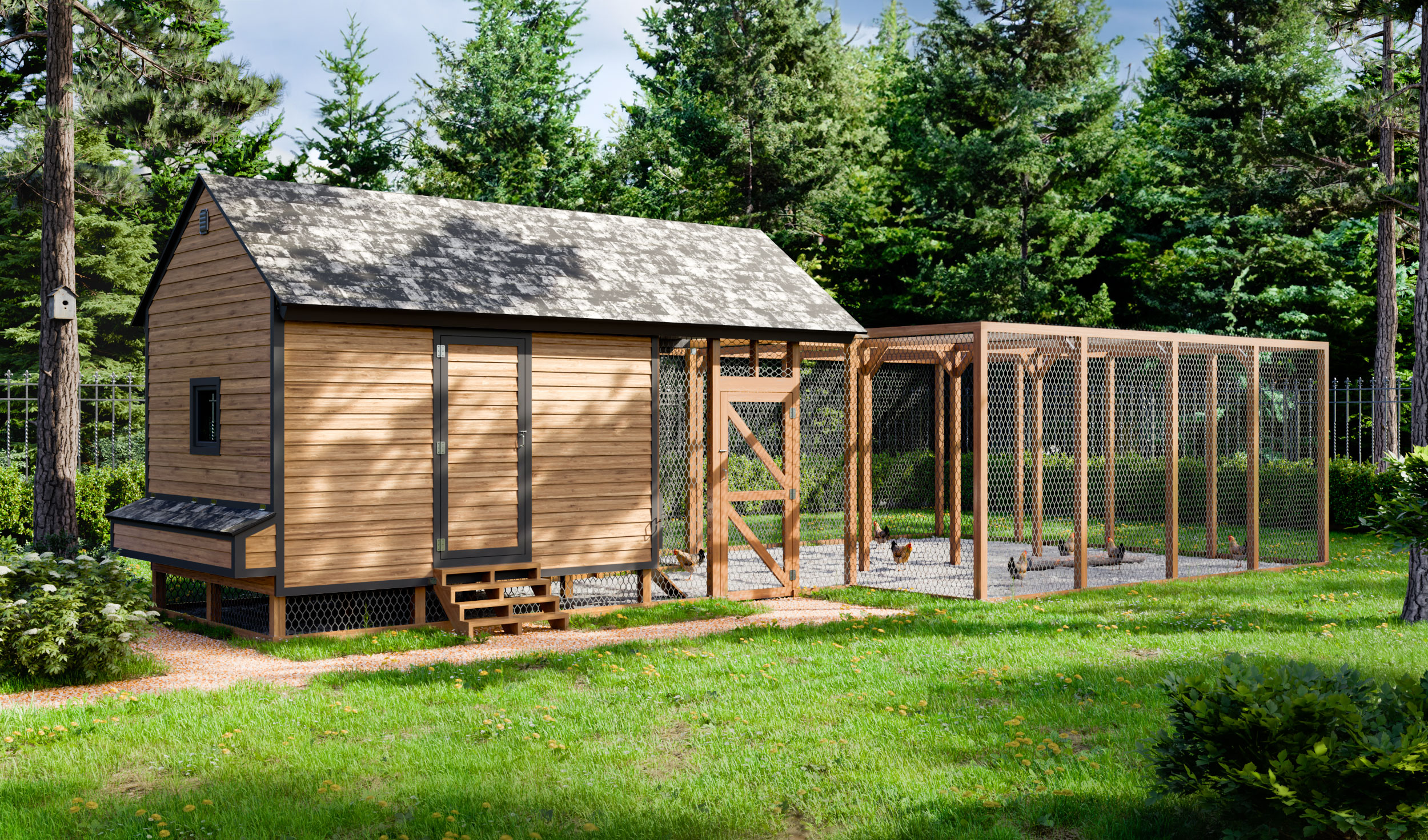
This plan outlines the construction of a chicken coop suitable for 500 chickens. The design prioritizes proper ventilation, adequate space, predator protection, and ease of maintenance.

Coop Specifications

  • Dimensions: 40ft x 20ft (800 sq ft)
  • Height: 8ft at lowest point, 12ft at peak
  • Space per chicken: 1.6 sq ft (meets recommended standards)
  • Roof Style: Gable roof for proper ventilation and rain runoff
  • Nesting Boxes: 50 boxes (1 per 10 hens)
  • Roosting Space: 125 linear feet (6 inches per bird)
  • Run Area: 2000 sq ft (4 sq ft per bird)

Materials Required

Foundation & Flooring

  • Concrete blocks (80 units)
  • Pressure-treated 4x4 lumber (200 ft)
  • Pressure-treated 2x4 lumber (400 ft)
  • Plywood sheets (3/4", 20 sheets)

Framing

  • 2x4 lumber (1200 ft)
  • 2x6 rafters (400 ft)
  • Plywood sheathing (15 sheets)
  • Metal brackets & connectors (various)

Roofing

  • Metal roofing panels (25 panels)
  • Roofing screws (200 pieces)
  • Roofing felt (2 rolls)
  • Ridge cap (40 ft)

Walls & Ventilation

  • Plywood siding (25 sheets)
  • Hardware cloth (1/2", 200 ft)
  • Ventilation fans (2 units)
  • Windows (4 units)

Interior Features

  • Nesting boxes (50 units)
  • Roosting poles (125 ft of 2x2)
  • Feeders (10 units)
  • Waterers (10 units)

Electrical & Lighting

  • Electrical wiring (200 ft)
  • LED lights (8 units)
  • Outlets & switches (6 units)
  • Automatic door opener (1 unit)

Cost Breakdown

Item Quantity Unit Price ($) Total Cost ($)
Concrete blocks 80 2.50 200.00
Pressure-treated 4x4 lumber 200 ft 3.50 700.00
Pressure-treated 2x4 lumber 400 ft 2.50 1,000.00
Plywood sheets (3/4") 20 45.00 900.00
2x4 lumber 1200 ft 2.00 2,400.00
2x6 rafters 400 ft 3.00 1,200.00
Plywood sheathing 15 35.00 525.00
Metal roofing panels 25 25.00 625.00
Roofing screws 200 0.10 20.00
Roofing felt 2 rolls 30.00 60.00
Plywood siding 25 40.00 1,000.00
Hardware cloth (1/2") 200 ft 2.50 500.00
Ventilation fans 2 150.00 300.00
Windows 4 80.00 320.00
Nesting boxes 50 15.00 750.00
Roosting poles (2x2) 125 ft 1.50 187.50
Feeders 10 45.00 450.00
Waterers 10 35.00 350.00
Electrical wiring 200 ft 0.50 100.00
LED lights 8 25.00 200.00
Outlets & switches 6 5.00 30.00
Automatic door opener 1 250.00 250.00
Nails, screws, fasteners Various - 200.00
Paint & sealant Various - 300.00
TOTAL ESTIMATED COST $12,167.50

Budget Note

This is an estimated cost. Prices may vary based on location, quality of materials, and supplier. Always add 10-15% to your budget for unexpected expenses.

Construction Steps

Phase 1: Site Preparation & Foundation

  • Clear and level the construction area
  • Mark the coop footprint (40ft x 20ft)
  • Place concrete blocks at corners and every 8 feet along perimeter
  • Install pressure-treated 4x4 lumber as foundation beams
  • Add floor joists with pressure-treated 2x4 lumber
  • Install plywood flooring

Phase 2: Framing

  • Construct wall frames using 2x4 lumber
  • Install wall frames, ensuring they are plumb and square
  • Add ceiling joists and rafters for gable roof
  • Install plywood sheathing on walls and roof

Phase 3: Roofing & Siding

  • Install roofing felt on roof sheathing
  • Add metal roofing panels with appropriate overlap
  • Install ridge cap at roof peak
  • Add plywood siding to exterior walls
  • Cut and frame openings for windows and ventilation

Phase 4: Ventilation & Protection

  • Install hardware cloth over all ventilation openings
  • Mount ventilation fans on opposite walls for cross-ventilation
  • Install windows with secure latches
  • Add predator-proof latches to all doors

Phase 5: Interior Features

  • Build and install nesting boxes along walls
  • Install roosting poles at varying heights
  • Set up feeders and waterers at appropriate locations
  • Install electrical wiring, lights, and outlets
  • Add automatic door opener if desired

Phase 6: Finishing & Run Area

  • Paint or seal all wood surfaces
  • Add bedding material to floor
  • Fence the run area (2000 sq ft) with secure fencing
  • Add shade structures to run area
  • Test all systems before introducing chickens

Coop Diagram

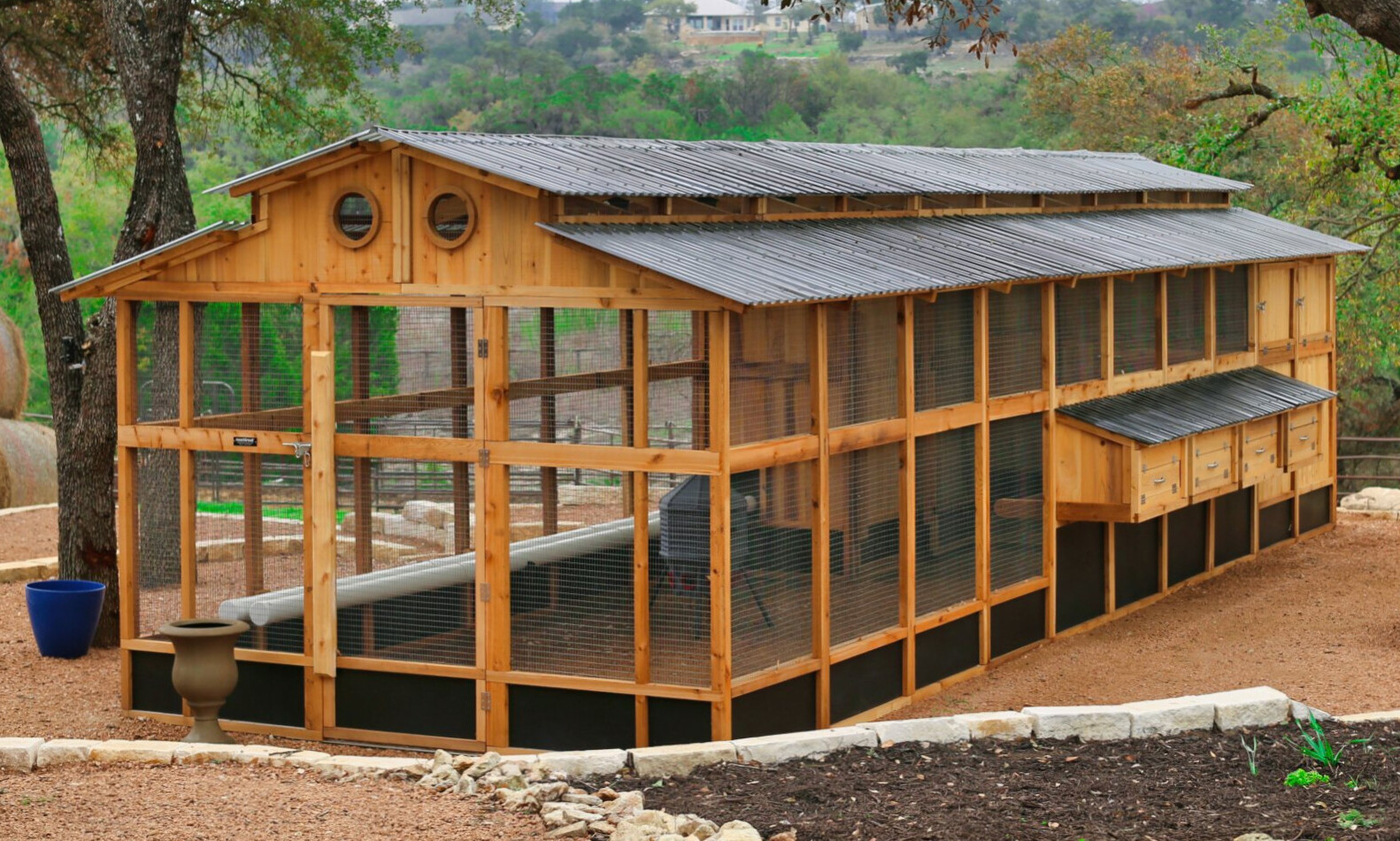
"> [Coop Diagram Would Appear Here - 40ft x 20ft structure with gable roof, windows on sides, ventilation fans, nesting boxes along walls, roosting poles, and attached run area]

Maintenance Schedule

  • Daily: Check feed and water, collect eggs, observe chicken health
  • Weekly: Clean feeders and waterers, add fresh bedding as needed
  • Monthly: Deep clean coop, check for repairs, inspect for pests
  • Seasonally: Check roofing, repaint/seal wood, inspect electrical systems
  • Annually: Complete structural inspection, replace worn components

Disclaimer: This is a sample construction plan. Always consult local building codes and regulations before construction.

© 2023 Poultry Coop Construction Guide

BUSINESS PLAN FOR ESTABLISHING A BUSINESS CALL CENTER

Business Plan: Professional Call Center

Business Plan: Professional Call Center

1.0 Executive Summary

This business plan outlines the establishment of a professional business call center designed to provide high-quality, outsourced customer service and support. The call center will serve clients ranging from small businesses to large corporations.

Key Highlights:

  • State-of-the-art call center technology (VoIP, ACD, IVR, CTI)
  • Both inbound and outbound services (customer support, sales, market research)
  • Target markets: E-commerce, banking, telecom, SMEs
  • Strategic positioning in emerging markets with low competition
  • Focus on high-quality personnel and comprehensive training

2.0 Technology and Infrastructure

Core Technologies:

  • VoIP System: Internet-based calling infrastructure
  • ACD: Automatic Call Distribution
  • IVR: Interactive Voice Response
  • CTI: Computer Telephony Integration
  • Predictive Dialer: For outbound campaigns
  • CRM Software: Customer relationship management

Physical Infrastructure:

  • 500-1000 sq ft office space
  • Redundant power supply (UPS + generator)
  • Dual internet connections
  • Workstations for agents
  • Server room with backup systems
  • Conference/training rooms

3.0 Capital Investment Requirement

Item Cost (US$) Percentage
VoIP Phone System 15,000 20%
Call Center Software (ACD/IVR/CTI) 25,000 33.3%
Computers & Workstations (20 seats) 12,000 16%
Office Setup & Furniture 8,000 10.7%
Network Infrastructure 5,000 6.7%
Initial Marketing 5,000 6.7%
Miscellaneous/Contingency 5,000 6.7%
Total 75,000 100%

4.0 Operating Expenses

Expense Category Monthly Cost (US$) Annual Cost (US$)
Salaries (20 agents @ $400) 8,000 96,000
Supervisors (2 @ $800) 1,600 19,200
Office Rent 1,500 18,000
Telecom/Internet 1,200 14,400
Software Licenses 800 9,600
Utilities 500 6,000
Marketing 1,000 12,000
Miscellaneous 400 4,800
Total 15,000 180,000

5.0 Pricing Structure

Inbound Services Pricing:

Service Price per hour
Basic Customer Support $12-$15
Technical Support $18-$22
Order Processing $15-$18
Billing Support $14-$16

Outbound Services Pricing:

Service Price per hour
Telemarketing/Sales $20-$25
Market Research $18-$22
Lead Generation $22-$28
Customer Surveys $16-$20

Pricing Strategy: We'll use a blended rate model averaging $18/hour for inbound and $22/hour for outbound services. At 80% utilization (20 agents × 160 hours/month), monthly revenue potential is $57,600 (inbound) or $70,400 (outbound).

6.0 Profitability Analysis

Revenue Projections (First Year)

Quarter Agents Utilization Monthly Revenue Quarterly Revenue
Q1 10 60% 15,552 46,656
Q2 15 70% 27,216 81,648
Q3 20 75% 38,880 116,640
Q4 20 80% 46,656 139,968
Total 384,912

Projected Profit & Loss (First Year)

Item Amount (US$)
Total Revenue 384,912
Operating Expenses 180,000
EBITDA 204,912
Depreciation 15,000
EBIT 189,912
Taxes (25%) 47,478
Net Profit 142,434

Key Financial Metrics:

  • Gross Margin: 53.2%
  • Net Profit Margin: 37%
  • Return on Investment (Year 1): 190%
  • Break-even Point: 5.5 months
  • Payback Period: 6.3 months

Three-Year Financial Projection

Year Revenue Expenses Net Profit Profit Margin
1 384,912 242,478 142,434 37%
2 576,000 324,000 252,000 43.8%
3 806,400 403,200 403,200 50%

Growth Strategy: The plan assumes 50% revenue growth in Year 2 (adding 10 more agents) and 40% in Year 3 (expanding to new services). Profit margins improve through economies of scale and operational efficiencies.

7.0 Risk Analysis

Potential Risks:

  • Client Concentration: Dependence on few large clients
  • Technology Disruption: Rapid changes in call center tech
  • Staff Attrition: High turnover in call center industry
  • Economic Downturn: Reduced business spending on outsourcing

Mitigation Strategies:

  • Diversify client portfolio across industries
  • Allocate 5% of revenue to tech upgrades
  • Implement employee retention programs
  • Maintain 3-month operating expense reserve
Profitable Business Plans

Need a Profitable Business Plan?

🚀 Get customized, high-profit business plans with detailed financial analysis and market research tailored for your success!

  • 📊 ROI-focused strategies
  • 💰 Financial projections & feasibility studies
  • 🌍 Optimized for Tanzanian & East African markets

Don’t hesitate to reach out for a free consultation!

WhatsApp Contact Us on WhatsApp: +255 716 655 236

Running Club Business Guide

Running Club Business Guide - East Africa

Running Club Business Guide

Complete Business Plan for East African Market

What is a Running Club Business?

A running club business organizes and monetizes group running activities for fitness enthusiasts. This venture goes beyond informal jogging groups by offering structured programs, professional coaching, organized events, and a community experience for runners of all levels. The business model typically generates revenue through membership fees, event registrations, training programs, and partnerships with related businesses.

In East Africa, where running has deep cultural roots and a strong reputation thanks to world-class athletes, a running club business can capitalize on the growing fitness trend and health consciousness. The business would provide scheduled group runs, training programs for various distances (from 5Ks to marathons), coaching services, and social running events. Additional revenue streams can include merchandise sales, corporate wellness partnerships, and sponsorship deals.

The key to success lies in creating a welcoming community atmosphere while delivering tangible value through professional guidance, structured training, and motivational support. Unlike informal running groups, a running club business offers consistency, expertise, and organization that appeals to both beginner runners seeking guidance and experienced athletes looking to improve their performance.

Business Environment in East Africa

The business environment for a running club in East Africa is promising due to several converging factors. The region's legendary reputation in long-distance running creates natural interest and enthusiasm for the sport. Countries like Kenya, Ethiopia, Uganda, and Tanzania have produced world-record holders and Olympic champions, making running a celebrated activity with widespread cultural acceptance.

Growing urbanization across East Africa has led to more sedentary lifestyles, creating increased awareness of health and fitness needs. The rising middle class has disposable income to spend on wellness activities and is increasingly interested in fitness as a lifestyle choice. Major cities like Nairobi, Kampala, Dar es Salaam, and Kigali have seen growth in fitness facilities and wellness services, indicating a market ready for organized running programs.

Challenges include competition from free running groups, seasonal weather patterns affecting outdoor activities, and safety concerns in some urban areas. However, the opportunity to provide structured, professional running programs with added value through coaching, community building, and event organization presents a viable business model. The post-pandemic emphasis on outdoor activities and health consciousness further strengthens the business case for a running club in the region.

Market Analysis

The market for running clubs in East Africa can be segmented into several categories: recreational runners, fitness-focused individuals, competitive athletes, corporate clients, and tourists seeking authentic running experiences. The recreational and fitness segments represent the largest potential market, especially in urban areas where health consciousness is growing.

Competition primarily comes from informal running groups, gym-based fitness programs, and individual trainers. However, few organized running clubs offer professional coaching, structured training programs, and community building as a comprehensive package. The unique positioning of East Africa as the "home of champions" provides a competitive advantage that can attract international runners seeking training experiences.

Market trends show increasing participation in organized races and marathons across the region, indicating a growing runner population. Corporate wellness programs represent another significant opportunity, as companies increasingly invest in employee health initiatives. Pricing sensitivity varies across segments, with expatriates and corporate clients willing to pay premium prices for quality services, while local enthusiasts may require more affordable options.

Best Location for Business

The ideal locations for a running club business in East Africa are major urban centers with significant populations of potential members. Nairobi, Kenya stands out as a prime market due to its large expatriate community, growing middle class, and established running culture. The city's numerous parks, such as Uhuru Park and Karura Forest, provide excellent venues for group runs.

Other promising locations include Dar es Salaam, Tanzania with its scenic waterfront areas; Kampala, Uganda which has a vibrant fitness community; and Kigali, Rwanda known for its cleanliness and safety. Secondary cities with universities and growing professional populations, such as Arusha in Tanzania or Eldoret in Kenya, also present opportunities.

When selecting a specific base, proximity to popular running routes, parks, or trails is essential. Accessibility via public transport and parking availability are important considerations for members. An office or meeting space near these areas, even if small, provides a professional base for operations. The choice of location should also consider safety, especially for early morning or evening runs that are popular among urban runners.

Possible Customers

Potential customers for a running club business in East Africa include several distinct segments. Recreational runners represent the largest group - individuals who run for fitness, stress relief, or social reasons rather than competition. This segment includes professionals seeking work-life balance, parents looking for me-time, and those aiming to improve their general health.

Fitness enthusiasts constitute another significant segment - those who participate in various fitness activities and see running as part of their overall regimen. This group often seeks variety and may cross-over from gym workouts to outdoor running. Competitive athletes form a smaller but valuable segment - serious runners training for specific events or seeking to improve their personal bests. These customers value professional coaching and structured training programs.

Corporate clients represent a B2B segment - companies interested in wellness programs for their employees. This can include organizing corporate running groups, wellness challenges, or team-building events around running. Tourists and visiting runners comprise another niche segment - international visitors seeking authentic running experiences in East Africa, possibly including training with local athletes or experiencing famous running routes.

Finally, beginners looking to start running safely and effectively form an important segment. These individuals need guidance, support, and gradual progression plans to build confidence and ability. Understanding the specific needs and motivations of each segment is crucial for tailoring services, pricing, and marketing approaches.

Advertising Strategies

Effective advertising for a running club business should combine digital marketing, community engagement, and strategic partnerships. Digital strategies include creating a professional website with easy registration and payment options, search engine optimization (SEO) for local running-related queries, and targeted social media advertising focusing on geographic and interest-based parameters.

Content marketing through a blog or YouTube channel featuring running tips, training advice, and athlete interviews establishes authority and attracts organic traffic. Email newsletters with training tips, club news, and event updates help maintain engagement with current and potential members. Community engagement tactics include participating in local races with a branded presence, offering free beginner clinics or workshops, and organizing charity runs to build goodwill and visibility.

Strategic partnerships with related businesses can expand reach significantly. Collaborating with sports stores, gyms, fitness studios, and health food cafes can provide cross-promotion opportunities. Corporate partnerships with companies interested in employee wellness programs represent another avenue for client acquisition. Traditional advertising methods like flyers in fitness centers, community bulletin boards, and local newspaper listings can still be effective for reaching less digitally-focused segments.

Referral programs that reward current members for bringing new participants can leverage word-of-mouth marketing. Finally, creating photogenic and shareable experiences - such as scenic group runs, milestone celebrations, and special events - encourages organic social media sharing by members, expanding reach to their networks.

Social Media Strategy

Social media platforms are essential for building a running community and attracting members. Instagram is ideal for visual content showcasing running routes, group activities, member spotlights, and behind-the-scenes glimpses of training sessions. Facebook serves as a hub for community building through groups, event organization, and targeted advertising to local audiences.

To scale up followers, consistently post valuable content including running tips, motivational stories, and engaging questions that prompt interactions. Utilize hashtags strategically, including location-based tags (#NairobiRunning), activity tags (#TrailRunning), and popular fitness tags. Run contests and challenges that encourage tagging friends and sharing content.

Collaborate with local influencers in the fitness space to reach new audiences. Share user-generated content from members to build community and encourage participation. Utilize Stories and Live features for real-time engagement during runs and events. Consider allocating a modest advertising budget to boost high-performing posts and target specific demographics interested in fitness and wellness activities.

Technological Equipment for Differentiation

Investing in technology can significantly differentiate a running club from informal groups. GPS tracking systems allow leaders to monitor group runs and provide members with data on their routes and performance. Mobile apps with training plans, progress tracking, and community features enhance the member experience and provide value between scheduled runs.

Wearable technology integration, such as compatibility with popular fitness trackers and smartwatches, appeals to data-driven runners. Timing equipment for interval training and track sessions adds professional value for serious athletes. Audio systems for outdoor coaching instructions or music during group runs improve the experience, especially for larger groups.

Online booking and payment systems streamline administration and provide convenience for members. Video analysis technology for running form assessment offers premium services that justify higher pricing tiers. Environmental monitoring devices that track air quality, temperature, and humidity can provide added safety value, especially in urban environments.

Finally, reliable communication systems including group messaging platforms ensure smooth coordination for last-minute changes or safety announcements. These technological investments not only improve service quality but also demonstrate professionalism that can justify premium pricing and help attract members who seek more than just informal running companionship.

Pricing Methods for Profit

  • Monthly Membership: Recurring fee for unlimited participation in regular group runs
  • Per Session Fee: Pay-as-you-go pricing for individual running sessions
  • Training Programs: Package pricing for specific goal-oriented programs (e.g., 10-week 5K training)
  • Tiered Memberships: Different levels with varying benefits (basic, premium, VIP)
  • Corporate Packages: Bulk pricing for companies enrolling multiple employees
  • Event Registration Fees: Charges for special events, races, or workshops
  • Personal Coaching: Premium one-on-one or small group coaching services
  • Merchandise Sales: Branded apparel, accessories, and running gear
  • Visitor/Tourist Passes: Short-term memberships for travelers
  • Sponsorship Packages: B2B partnerships with brands targeting the running demographic

Five-Year Growth Projection

Year Estimated Growth Key Focus Areas
Year 1 20-30% Establishing brand, building core community, testing offerings
Year 2 40-50% Expanding membership base, adding locations, corporate programs
Year 3 60-70% Adding premium services, event organization, geographic expansion
Year 4 50-60% Brand consolidation, franchise development, digital product expansion
Year 5 40-50% Regional expansion, diversification into related wellness services

These growth projections assume effective execution, market responsiveness, and adequate funding. The running club business has potential for strong growth in East Africa due to increasing health consciousness and the region's running heritage. Growth may accelerate with successful corporate partnerships or if the business becomes a recognized brand in the running community. Economic factors, competition, and ability to continuously innovate will impact these projections. Sustainable growth will require balancing acquisition of new members with retention of existing ones through continued value delivery.

For More Business Ideas

Contact us via WhatsApp for personalized business consulting and additional ideas tailored to your specific situation and market.

Message on WhatsApp

© 2023 Business Consulting Guide. All rights reserved.

© all rights reserved
made with by templateszoo