


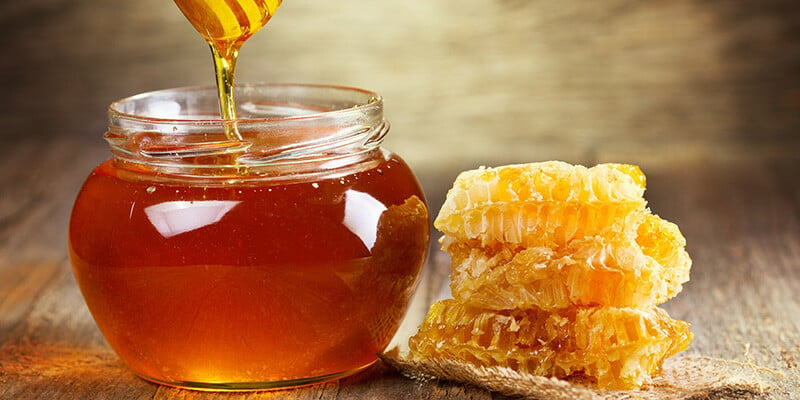
Tanzania Honey Market Analysis
Comprehensive analysis of honey production, market trends, and future projections in Tanzania
Introduction
Tanzania's honey industry represents a significant agricultural sector with immense potential for growth and economic development. The country's diverse flora, vast woodland areas, and favorable climatic conditions provide an ideal environment for beekeeping, making Tanzania one of Africa's leading honey producers. The industry is predominantly characterized by small-scale traditional beekeepers who utilize indigenous knowledge and methods, though there is a growing trend toward modern beekeeping practices.
Honey production in Tanzania is not only an important economic activity but also plays a crucial role in environmental conservation through pollination services and forest preservation. The market consists of various honey types, with popular varieties including Miombo woodland honey, Acacia honey, and coffee blossom honey, each with distinct flavors and properties. With increasing global demand for natural, organic products, Tanzanian honey has gained recognition in international markets for its unique characteristics and purity.
The industry faces both opportunities and challenges, including growing export demand, potential for value addition, and issues related to quality control, infrastructure, and market access. This analysis provides a comprehensive overview of the Tanzanian honey market, including historical context, current statistics, government initiatives, market factors, and future projections.
Historical Background
Beekeeping has a long tradition in Tanzania, dating back centuries with indigenous communities practicing traditional beekeeping methods. These traditional practices involved using hollow logs, bark hives, and clay pots placed high in trees to collect honey from wild bee colonies. For many communities, honey hunting was not only a source of nutrition but also held cultural and medicinal significance.
During the colonial era, attempts were made to introduce modern beekeeping methods, but these efforts had limited success in transforming the largely traditional sector. After independence, the Tanzanian government recognized the potential of beekeeping for rural development and began implementing programs to support the industry. The 1970s and 1980s saw various initiatives aimed at promoting beekeeping as a means of generating income for rural communities, particularly in areas with limited agricultural potential.
The real transformation began in the 1990s with the liberalization of the economy and the involvement of non-governmental organizations in promoting beekeeping as a sustainable livelihood option. During this period, there was a significant shift from traditional honey hunting to beekeeping using improved hives, which increased productivity and reduced the destructive nature of traditional harvesting methods. The introduction of the Tanzania Beekeeping Policy in 1998 provided a framework for developing the sector, focusing on capacity building, research, and market development.
In the 2000s, the industry experienced growth driven by increasing demand for natural and organic products in international markets. Organizations like the Tanzania Beekeeping Agency (TABEA) and various donor-funded projects played crucial roles in promoting modern beekeeping techniques, organizing beekeepers into cooperatives, and facilitating market linkages. Today, beekeeping is recognized as an important sector for poverty reduction, environmental conservation, and economic development in Tanzania.
Government Support
The Tanzanian government has implemented various policies and initiatives to support the beekeeping industry, recognizing its potential for rural development, poverty alleviation, and environmental conservation. The National Beekeeping Policy of 1998, revised in 2019, provides a comprehensive framework for developing the sector, focusing on research extension, honey quality control, and market development.
Through the Ministry of Natural Resources and Tourism and its division of forestry and beekeeping, the government has established beekeeping training centers in various regions, including Tabora, Morogoro, and Arusha. These centers provide training on modern beekeeping techniques, hive making, honey processing, and quality management. The government also facilitates access to improved beekeeping equipment through subsidies and support to local artisans producing Langstroth and Kenya Top Bar hives.
The Tanzania Industrial Research and Development Organization (TIRDO) provides support in product development, quality testing, and value addition, helping beekeepers meet international standards. The government has also established the Tanzania Trade Development Authority (TanTrade) to help honey producers access international markets through trade fairs, exhibitions, and business matchmaking events.
In recent years, the government has prioritized the formalization of the beekeeping sector by encouraging beekeepers to form cooperatives and associations. These organizations receive support in areas such as organizational development, business management, and negotiation skills, enabling them to better serve their members and engage effectively with other value chain actors. The government also provides tax incentives for beekeeping inputs and equipment to reduce production costs.
Furthermore, the government collaborates with international development partners and NGOs to implement beekeeping projects across the country. These partnerships focus on capacity building, technology transfer, and market access, particularly for small-scale beekeepers in remote areas. The Tanzania Investment Centre also promotes investment in commercial beekeeping and honey processing, offering incentives to investors interested in the sector.
Current Market Statistics (2023)
Production by Region (Tons)
Export Destinations (%)
Factors Affecting the Market
Environmental Factors
Climate change impacts flowering patterns and nectar availability. Deforestation reduces bee habitats and forage sources. Pesticide use in agriculture affects bee health and honey quality. Seasonal variations affect production consistency.
Production Factors
Limited adoption of modern beekeeping techniques. Inadequate access to quality equipment and inputs. High prevalence of pests and diseases. Low productivity per hive compared to international standards.
Market Factors
Price fluctuations in local and international markets. Competition from synthetic honeys and other sweeteners. Changing consumer preferences and demand patterns. Limited value addition and product diversification.
Infrastructure Factors
Poor road networks in production areas increase transportation costs. Limited storage and processing facilities. Inadequate energy supply for processing operations. Limited access to market information and communication services.
Quality & Standards
Inconsistent honey quality due to traditional processing methods. Difficulty meeting international quality standards. Lack of testing facilities and certification services. Adulteration issues affecting market reputation.
Financial Factors
Limited access to credit for beekeepers and processors. High interest rates on agricultural loans. Lack of collateral among small-scale beekeepers. Limited insurance products for beekeeping activities.
Market Projection (Next 3 Years)
Projected Growth Metrics
| Metric | 2023 | 2024 (Projected) | 2025 (Projected) | 2026 (Projected) |
|---|---|---|---|---|
| Production Volume (Tons) | 35,000 | 40,250 | 46,300 | 53,200 |
| Export Volume (Tons) | 8,500 | 10,200 | 12,750 | 16,000 |
| Export Value ($ Millions) | 28 | 35 | 45 | 58 |
| Number of Beekeepers | 900,000 | 950,000 | 1,020,000 | 1,100,000 |
| Value-Added Products | 15% | 22% | 30% | 40% |
Projected Revenue Growth
Contact SparkInvest for Investment Opportunities
Get in touch with us for detailed investment analysis, partnership opportunities, and market insights

 Newspaper is an amazing magazine blogger theme that is easy to use and change to fit your needs
No comments
Post a Comment