


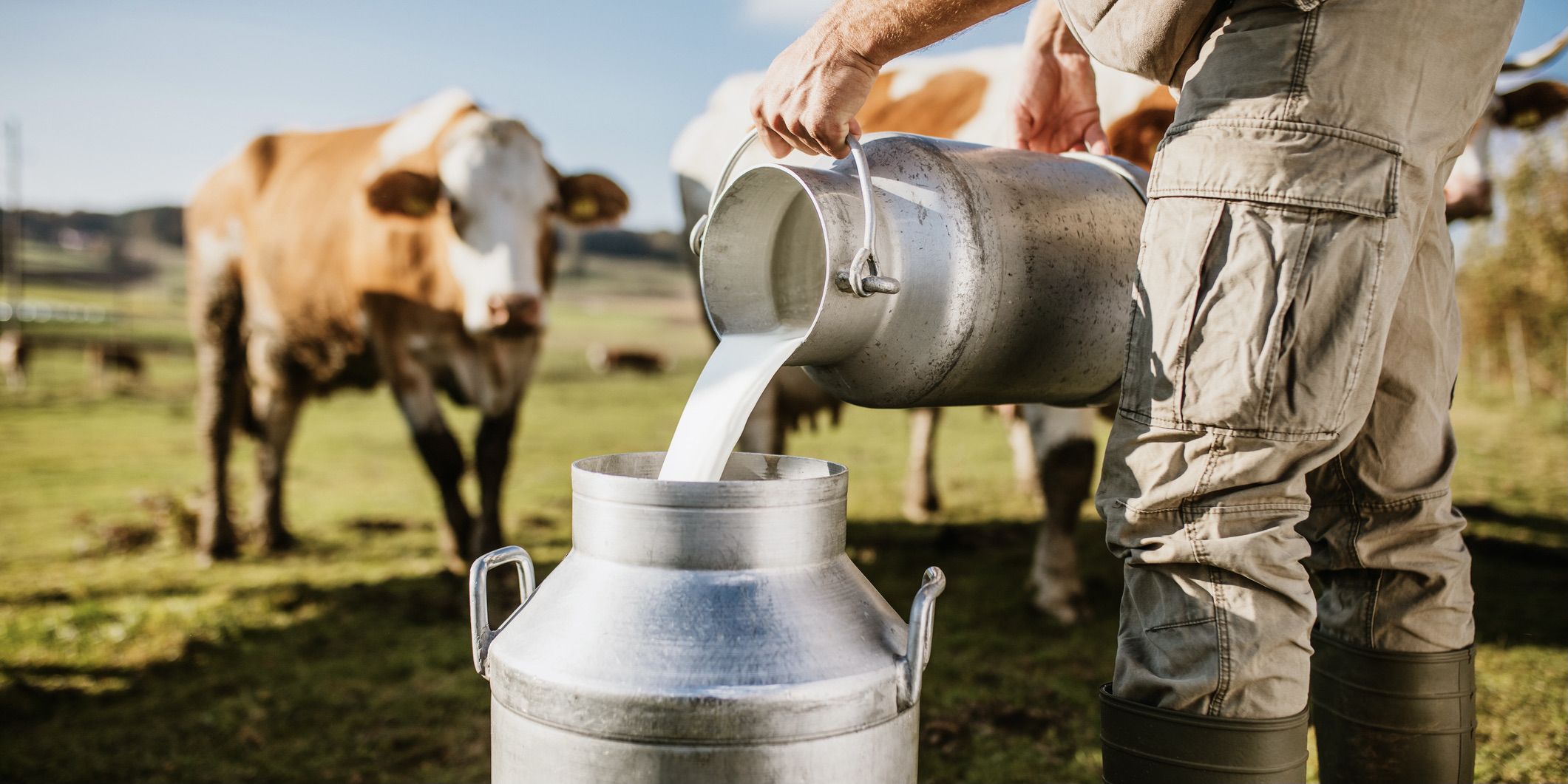
BUSINESS PLAN FOR ESTABLISHING A CREAM SEPARATION PLANT
1.0 Executive Summary
This business plan outlines the establishment of a cream separation plant, a highly lucrative venture positioned to capitalize on the dairy processing industry. The plant will specialize in separating raw milk into high-quality cream and skim milk, supplying both products to various markets.
Situated in a rural area to ensure proximity to fresh milk sources, the plant will have a daily production capacity of 150 liters of cream. This operation is projected to produce 46,800 liters of cream annually, with a total capital investment of US$ 17,530.
Based on a sales margin of 20%, the business is poised to generate an annual profit of approximately $32,760, translating to an annual revenue of $163,800. This venture offers a solid return on investment and a stable, dual-product revenue stream.
2.0 Introduction
Cream, a fat concentrate found in raw milk, is a fundamental ingredient in a variety of high-demand products, including butter, ice cream, and bakery items. Establishing a cream separation plant is a strategic business idea, as it provides a value-added service to the dairy supply chain.
By processing raw milk from local farmers, the plant creates two distinct and highly marketable products: cream and skim milk. This dual revenue stream mitigates risk and enhances profitability.
The project can be successfully set up in rural areas, which offer lower operational costs and direct access to a consistent supply of raw milk. The essential requirement is access to reliable utilities, particularly electricity, which is critical for the operation of the separation equipment.
The business aims for an annual production of 46,800 litres of cream, supported by a total capital investment of $17,530.
3.0 Technology and Production Process
The production process for separating cream from milk is a technologically advanced yet streamlined operation. The primary piece of equipment is a centrifugal cream separator. The process is as follows:
Milk Reception and Quality Check
Raw milk is received from local dairy farmers. Upon arrival, it undergoes a quick quality check to ensure its freshness and consistency before being transferred to a chilled milk tank.
Pasteurization and Standardization
The milk is heated to a specific temperature in a pasteurization unit. While the original text did not mention it, pasteurization is a critical step for food safety and to extend the shelf life of the final products. It also standardizes the milk's temperature to optimize the separation process.
Cream Separation
The pasteurized milk is fed into the cream separator. This machine operates on the principle of centrifugal action, spinning the milk at high speeds. Since cream is lighter than the rest of the milk, the centrifugal force pushes the heavier skim milk to the outer edge of the bowl, while the fat-rich cream collects at the center.
Collection of Products
The cream and skim milk are then collected through separate outlets and stored in their respective clean, chilled tanks. The plant is designed to handle a capacity of 150 litres of cream per day, along with the corresponding volume of skim milk.
Packaging and Storage
Both the cream and skim milk are then transferred to packaging lines. The cream is packaged in various sizes for different markets, while the skim milk is packaged for its specific customer base. Both products are then stored in a cold room to maintain their freshness and quality.
4.0 Raw Material Sourcing
A consistent supply of high-quality raw milk is the lifeblood of this business. The plant will establish a network of partnerships with small-scale dairy farmers in the surrounding rural community.
This approach ensures a fresh, steady supply of milk, reduces transportation costs, and supports the local agricultural economy. By offering a fair and consistent price for their milk, the business will build a loyal base of suppliers, which is crucial for long-term sustainability.
The daily raw material requirement will be determined by the fat content of the milk and the desired cream output.
5.0 Market Analysis and Strategy
There is a consistent and high demand for dairy products, and cream is a valuable commodity. The primary markets for the cream produced are the confectionery and ice cream plants, which require a reliable bulk supply for their manufacturing processes.
The high demand for milk cream spread in these industries presents a significant market opportunity. Additionally, the skim milk byproduct also has a viable market. It can be sold to other dairy processors for the production of skim milk powder, or to companies that make lower-fat dairy beverages.
Our marketing strategy will focus on a dual-product approach, building relationships with key clients in both the cream and skim milk markets. Our competitive advantage will be based on providing a consistently high-quality product, with a verified fat percentage, and a reliable supply chain.
6.0 Financial Projections
The total capital investment of US$ 17,530 is allocated to a number of critical areas, including:
- Acquisition and installation of the cream separator
- Milk and cream tanks
- Pasteurization unit
- Cooling system
- Initial working capital (first batch of raw milk and packaging materials)
With an annual revenue of $163,800, the business will achieve a profit margin of 20%, generating a healthy annual profit of $32,760, which demonstrates the strong financial viability and profitability of the cream separation plant.
Cream Separation Plant Financial Analysis
1. Capital Investment Requirements
Total Capital Investment: $17,530 - This includes all equipment, installation, and initial working capital needed to launch the cream separation plant.
2. Annual Operating Expenses
Key Operating Costs: Raw milk procurement (60%), labor (15%), utilities (10%), packaging (8%), and maintenance (7%) make up the majority of ongoing expenses.
3. Production Cost & Price Structure
Pricing Strategy: With a production cost of $2.80 per liter for cream, we maintain a 20% margin by selling at $3.50 per liter, ensuring competitiveness while protecting profitability.
4. Profitability Analysis
Projected Profit: $32,760 annually (20% margin) on revenue of $163,800, with break-even expected within the first 12 months of operation.
Dairy Processing Competitors in East Africa
East African Dairy Market Overview
The East African dairy market is growing rapidly, with Kenya, Tanzania, Uganda, Rwanda, and Ethiopia being the major players. The region has seen increased investment in dairy processing, with both multinational corporations and local enterprises expanding their cream separation and value-added dairy product operations.
Kenya
Tanzania
Uganda
Rwanda
Ethiopia
Competitive Analysis Summary
| Competitor | Country | Market Share | Key Strength | Product Focus |
|---|---|---|---|---|
| Brookside Dairy | Kenya | 40% (Kenya) | Extensive distribution | Full dairy range |
| NKCC | Kenya | 25% (Kenya) | Government support | Basic dairy products |
| Tanga Fresh | Tanzania | 30% (Tanzania) | Export focus | UHT products |
| Pearl Dairy | Uganda | 35% (Uganda) | Regional exports | Milk powder, cream |
| Inyange | Rwanda | 60% (Rwanda) | Market dominance | Diversified dairy |
Market Opportunities
Despite the presence of these established competitors, opportunities exist for new entrants in the cream separation market, particularly:
- Regional markets with growing demand but limited processing capacity
- Specialty cream products for bakeries and confectioneries
- Contract processing for smaller dairy cooperatives
- Export-oriented cream production for neighboring countries
Premium Business Plan Services
Need More Profitable Business Ideas?
We specialize in developing high-return business plans with complete financial analysis for various industries. Our plans include:
- Detailed market analysis and competitor research
- Comprehensive financial projections (5-year forecasts)
- ROI and break-even analysis
- Operational workflow planning
- Risk assessment and mitigation strategies
- Funding and investment attraction packages
"The cream separation plant business plan provided clear financial roadmaps that helped us secure funding. We achieved break-even in just 10 months!"
— Jamal A., Dairy Entrepreneur, Tanzania
Our Business Plan Portfolio Includes:
- Agro-processing plants (oil, flour, dairy)
- Renewable energy solutions
- Food processing and packaging
- Manufacturing operations
- Hospitality and tourism ventures
- E-commerce and retail businesses
- Transport and logistics services
Money-Back Guarantee
We guarantee professionally researched, bankable business plans or your money back!
+255 716 655 236
Available 8:00 AM - 6:00 PM EAT, Monday-Saturday
What Happens When You Contact Us?
- We'll discuss your business concept and requirements
- Provide recommendations on the most profitable options
- Share sample business plan structures
- Quote based on project complexity
- Begin research and development of your custom plan

 Newspaper is an amazing magazine blogger theme that is easy to use and change to fit your needs
No comments
Post a Comment