Night Parking Facility Business Plan

Night Parking Facility Business Plan

Night Parking Facility Business Plan

1. Executive Summary

This business plan outlines the establishment of a secure night parking facility with capacity for 50 vehicles daily (1,200 monthly). With only $890 startup capital, the project generates $15,000 annual revenue at 10% profit margin, serving urban areas with high parking demand.

Key Business Highlights

  • Market Need: 78% of urban drivers report nighttime parking shortages
  • Revenue Model: $1.04/vehicle night (average)
  • Security Features: Guarded + optional CCTV surveillance
  • ROI Period: 2 months

2. Facility Specifications

Site Requirements

Parameter Specification
Land Area 1,000-1,500 sqm (50 vehicles)
Surface Type Paved (asphalt/concrete) or compacted gravel
Lighting LED floodlights (minimum 200 lux)
Security Perimeter fence (2.4m height) + guard post
Access Control Entry/exit gates with ticket system

Capacity Analysis

Daily Operations

  • Parking Spaces: 50 vehicles
  • Turnover Rate: 1.2x (60 vehicles)
  • Hours: 6PM-7AM (13 hours)

Monthly Capacity

  • Vehicle Nights: 1,200
  • Utilization Rate: 80% (industry average)
  • Effective Capacity: 960 vehicle nights

3. Capital Investment Requirements

Startup Costs Breakdown

Item Quantity Unit Cost ($) Total ($)
Land Preparation (Grading) 1,000sqm 0.30 300
Perimeter Fencing 200lm 1.50 300
Security Guard Hut 1 150 150
Lighting System 4 points 25 100
Signage 2 20 40
Total Capital Investment 890

Optional Upgrades

  • CCTV System: $400 (4 cameras + DVR)
  • Automated Gate: $1,200 (card/ticket operated)
  • Paved Surface: $3,000 (asphalt for 1,000sqm)

4. Operating Expenses

Monthly Cost Structure

Expense Category Cost ($) Notes
Security Personnel 400 2 guards @ $200/month
Electricity 50 Lighting + small appliances
Maintenance 30 Grounds keeping + repairs
Administration 20 Stationery, tickets, etc.
Miscellaneous 50 Contingency fund
Total Monthly Costs 550

Annual Operating Costs

Fixed Costs

  • Security: $4,800
  • Utilities: $600
  • Maintenance: $360
  • Subtotal: $5,760

Variable Costs

  • Administrative: $240
  • Contingency: $600
  • Equipment Depreciation: $300
  • Subtotal: $1,140

Total Annual Operating Costs: $6,900

5. Revenue Model & Profitability

Pricing Structure

Vehicle Type Night Rate ($) Monthly Pass ($) Market Share
Sedans 1.00 25 60%
SUVs/Vans 1.50 35 30%
Trucks 2.00 50 10%

5-Year Financial Projections

Year Vehicles/Month Revenue ($) Expenses ($) Profit ($) Margin
1 1,200 15,000 6,900 8,100 54%
2 1,440 18,000 7,500 10,500 58%
3 1,680 21,000 8,100 12,900 61%
4 1,920 24,000 8,700 15,300 64%
5 2,160 27,000 9,300 17,700 66%

Key Profitability Metrics

  • Break-even Point: 529 vehicle nights/month
  • ROI Period: 2 months
  • Annual ROI: 910% (Year 1)
  • Payback Period: 1.3 months

6. Risk Analysis & Mitigation

Potential Challenges

Risk Probability Impact Mitigation Strategy
Theft/Vandalism Medium High 24/7 guards + CCTV + insurance
Low Utilization Low Medium Strategic location + marketing
Price Competition Medium Medium Differentiate with security features
Regulatory Changes Low High Proper licensing + compliance

Start Your Parking Business Today

Get complete business plan documentation with site selection criteria and operational manuals

Contact Us on WhatsApp

+255 716 655 236 | Email: parking@example.com

BUSINESS IDEA: TechGadget Hub - Electronic Accessories Business Idea

TechGadget Hub - Electronic Accessories Business Idea

TechGadget Hub - Premium Electronic Accessories

"Enhancing your digital lifestyle with curated, high-quality tech accessories"

1. The Core Idea

"We provide tech-savvy professionals and students with premium, durable electronic accessories that combine innovative design with everyday functionality, available through a convenient hybrid online and local retail model."

The What:

Our product line includes:

  • High-performance charging cables and adapters (USB-C, Lightning, etc.)
  • Premium wireless earbuds and headphones
  • Smartphone cases with enhanced functionality (e.g., with built-in stands, card holders)
  • Innovative tech accessories (multi-port hubs, cable organizers, etc.)
  • Smart home accessories (Bluetooth trackers, smart plugs)
  • Gaming accessories (controller grips, cooling fans)

The Who:

Our primary target customers are:

  • Young professionals (ages 22-35) who invest in quality tech accessories
  • College students needing durable accessories for their devices
  • Remote workers requiring reliable home office tech solutions
  • Tech enthusiasts who appreciate innovative accessory designs
  • Small businesses needing bulk purchases for their teams

The Why:

We address several market pain points:

  • Poor quality accessories that fail quickly (especially cables)
  • Overpriced brand-name accessories with limited features
  • Difficulty finding accessories with specific functionality
  • Inconvenient shopping experiences for tech accessories
  • Lack of knowledgeable sales assistance in big box stores

The How (Differentiator):

Our unique value proposition:

  • Curated Quality: Rigorous testing and selection process for all products
  • Smart Features: Accessories with added functionality beyond basics
  • Warranty Assurance: Industry-leading 18-month warranty on all products
  • Tech Support: Free basic tech support with any purchase
  • Hybrid Model: Seamless online ordering with local pickup/return options
  • Eco-Conscious: Sustainable packaging and recycling program

2. The Market and Opportunity

Market Size:

The global electronic accessories market was valued at $315 billion in 2023 with projected 7.2% CAGR through 2030. Key segments:

  • Chargers & cables: $25 billion market
  • Headphones/earphones: $75 billion market
  • Protective cases: $18 billion market
  • Smart home accessories: fastest growing at 15% annually

Local market opportunity is strong with increasing smartphone penetration (over 80% in urban areas) and multiple devices per household.

The Gap:

Current market deficiencies we address:

  • Most retailers offer either cheap/low-quality or overpriced brand options with little middle ground
  • Lack of knowledgeable staff in electronics departments about accessory compatibility
  • No convenient way to test accessories before purchase in online stores
  • Minimal innovation in basic accessories (same designs for years)
  • Poor warranty support from most accessory manufacturers

Competition and Advantage:

Competitor Type Their Limitations Our Advantage
Big Box Electronics Impersonal service, limited selection, pushy sales Expert advice, curated selection, no-pressure environment
Online Marketplaces Quality uncertainty, fake reviews, long shipping Verified quality, local stock, same-day pickup
Brand Stores High prices, limited to one brand ecosystem Multi-brand options, better pricing, cross-compatibility
Discount Stores Extremely low quality, no support Durable products with warranty and tech support

3. The Business Model

Revenue Streams:

  1. Direct Sales:
    • E-commerce store with local delivery
    • Physical kiosk/showroom in high-traffic mall
    • Corporate bulk sales to businesses
  2. Value-Added Services:
    • Accessory subscription boxes (quarterly curated selections)
    • Device setup services
    • Tech protection plans
  3. Ancillary Revenue:
    • Advertising space in newsletter/website
    • Affiliate commissions for compatible apps/services
    • Workshops on tech accessory care/maintenance

Pricing Strategy:

  • Premium Positioning: 15-25% above generic brands but 20-30% below major brands
  • Bundle Pricing: Discounted sets (e.g., charging cable + adapter + case)
  • Membership: $49/year for 10% discount + free local delivery
  • Corporate: Volume discounts for bulk orders

Cost Structure:

Cost Category Estimated % Management Approach
Inventory 40% Just-in-time ordering, 30% upfront/70% on-demand
Facilities 20% Small kiosk rather than full store initially
Marketing 15% Focus on digital/Social Media with local influencers
Staffing 15% Owner + 1-2 part-time tech-savvy employees
Technology 10% Cloud-based POS and inventory system

4. The "How" of Execution

Production/Operations:

Phase 1 (Months 1-3):

  • Establish relationships with 3-5 reliable manufacturers
  • Order initial inventory of 50-75 SKUs (best-selling items)
  • Set up e-commerce platform with local delivery options
  • Secure mall kiosk space (10-15% revenue share model)

Phase 2 (Months 4-12):

  • Expand to 150-200 SKUs based on sales data
  • Develop private label products for highest-margin items
  • Implement inventory management system
  • Add accessory customization services

Marketing and Sales:

  • Digital Marketing:
    • YouTube channel with accessory reviews/comparisons
    • Instagram/TikTok showing products in real-life use
    • Google Shopping ads targeting local searches
  • Local Engagement:
    • Sponsor tech events at universities
    • Partner with co-working spaces for pop-up shops
    • Offer free charging stations at events with our branding
  • Loyalty Program:
    • Points system redeemable for discounts/free accessories
    • Referral bonuses for bringing new customers

The Team:

Initial Team:

  • Founder/CEO: Tech background with retail experience
  • Operations Manager: Inventory and supplier relations
  • 2 Part-Time Sales Associates (tech-savvy college students)

Future Hires (Year 2):

  • Digital Marketing Specialist
  • Product Tester/Reviewer
  • Additional retail staff

Need More Business Ideas or Customization?

Contact our business development team via WhatsApp: +255 716 652 236

We specialize in helping entrepreneurs launch successful tech retail businesses!

Catering Business - Complete Guide

Catering Business - Complete Guide

Catering Business Guide

Your complete roadmap to starting a successful catering business in East Africa

What is a Catering Business?

A catering business provides food service for events ranging from small private gatherings to large corporate functions. Unlike a restaurant with a fixed location, catering services bring food and dining experiences to clients at their chosen venues. This business involves menu planning, food preparation, transportation, setup, service, and cleanup. Caterers may specialize in specific types of events like weddings, corporate meetings, or social gatherings, or offer a broad range of services.

The catering industry offers several business models: full-service catering (handling all aspects from food to service), drop-off catering (providing food only), mobile catering (food trucks or kiosks), and specialized catering (focusing on specific cuisines or dietary needs). Success in catering requires excellent culinary skills, strong organizational abilities, and the capacity to manage logistics for events of varying sizes and complexities.

A well-run catering business can be highly profitable with margins typically ranging from 15-30%. The business allows for creativity in menu development and presentation while building relationships with clients through memorable culinary experiences. With the growing demand for professionally catered events in East Africa, this business presents significant opportunities for entrepreneurs with passion for food and service.

Business Environment in East Africa

The catering industry in East Africa has experienced substantial growth over the past decade, driven by economic development, urbanization, and evolving consumer preferences. Countries like Kenya, Tanzania, Uganda, and Rwanda have seen increased demand for catering services, particularly in urban centers where corporate activity and disposable incomes are rising. The region's growing middle class increasingly values convenience and quality in food services for both personal and professional events.

The business environment presents both opportunities and challenges. Favorable factors include a rich culinary heritage that can be leveraged, growing tourism industry creating demand for event services, and increasing adoption of Western-style celebrations requiring professional catering. The corporate sector expansion has also driven demand for business catering for meetings, conferences, and corporate events.

Challenges include competition from established restaurants offering catering services, logistical difficulties in some areas, seasonal fluctuations in demand, and navigating varying food safety regulations across different regions. However, the market remains far from saturated, especially for caterers who can differentiate themselves through unique offerings, quality service, and cultural understanding. Success requires adapting to local tastes while introducing innovative concepts and maintaining high standards of food safety and presentation.

Market Analysis

The catering market in East Africa can be segmented into corporate catering, social event catering (weddings, parties), and specialized catering (diet-specific, cultural cuisine). Corporate clients represent a stable revenue source with regular orders for meetings and events, while social catering offers higher per-event value but may be less predictable. The growing health consciousness has created demand for specialized catering services focusing on dietary restrictions, organic ingredients, and specific nutritional requirements.

Competition varies across the region, with major urban centers having more established catering services while smaller towns present opportunities for market entry. The market includes everything from large catering companies serving multinational corporations to small specialized caterers focusing on niche markets. Differentiation is key to success, whether through unique culinary offerings, exceptional presentation, specialized diets, or superior service quality.

Market trends include demand for fusion cuisine blending local and international flavors, sustainable and eco-friendly packaging options, interactive food stations at events, and customized menu options. Pricing strategies must balance affordability with quality positioning, considering local economic conditions while meeting the expectations of different client segments. The market shows strong growth potential, especially with the region's economic development and increasing adoption of professional catering services for events.

Ideal Location

Selecting the right location is critical for a catering business's success. While caterers don't need prime retail space, accessibility and practical considerations are important. Commercial kitchen facilities in urban centers provide proximity to potential corporate clients and event venues. Areas with good transportation links are essential for efficient delivery to event locations. For businesses focusing on wedding catering, locations near popular wedding venues or event spaces can be advantageous.

Many catering businesses start from home kitchens (where regulations permit) or shared commercial kitchen spaces to minimize overhead costs. As the business grows, investing in a dedicated kitchen facility with adequate storage, preparation areas, and refrigeration becomes necessary. The location should have reliable utilities (water, electricity, gas) and comply with local health and safety regulations for food businesses.

Consider proximity to suppliers for fresh ingredients to reduce costs and ensure quality. For businesses targeting specific market segments, location near those demographics is beneficial (e.g., near business districts for corporate catering). The space should allow for efficient workflow from food preparation to packaging and loading for delivery. Ample parking for staff and loading areas for vehicles are practical necessities often overlooked by new caterers.

Potential Customers

The customer base for a catering business in East Africa is diverse. Corporate clients include multinational corporations, local businesses, NGOs, and government agencies requiring catering for meetings, conferences, training sessions, and corporate events. These clients value reliability, professionalism, and the ability to handle large orders with consistent quality. They often provide repeat business and larger orders, making them highly valuable customers.

Individual clients seeking social event catering primarily include couples planning weddings, families organizing celebrations (birthdays, anniversaries, graduation parties), and individuals hosting special occasions. The growing middle class and affluent segments are increasingly willing to invest in professional catering services to ensure memorable events without the stress of self-catering. These clients often prioritize presentation, taste, and menu creativity.

Other potential customers include educational institutions requiring catering for events, religious organizations planning large gatherings, event planning companies that subcontract catering services, and tourism-related businesses like hotels and tour operators. Each customer segment has different needs, budget considerations, and expectations, requiring tailored approaches in service offering, pricing, and marketing strategies. Building a diverse client base helps stabilize revenue across seasonal fluctuations.

Advertising Strategies

Effective advertising is essential for attracting clients to your catering business. Digital marketing offers powerful tools including a professional website showcasing your menu, gallery of previous events, and client testimonials. Social media presence on platforms like Instagram and Facebook is crucial for visual businesses like catering, allowing you to showcase food presentation and behind-the-scenes content. Search engine optimization (SEO) helps potential clients find your services when searching for caterers in your area.

Networking remains crucial in the catering industry. Building relationships with event planners, venue managers, wedding coordinators, and other industry professionals can lead to valuable referrals. Participating in wedding expos, business fairs, and industry events increases visibility among potential clients and partners. Offering tasting sessions or sample boxes to event planners and corporate decision-makers can demonstrate your quality and presentation.

Traditional advertising methods still have value, particularly in local markets. This includes printed materials (brochures, business cards) distributed to venues and related businesses, local magazine features, and targeted direct mail to businesses in commercial areas. Partnerships with complementary businesses like florists, bakeries, or event rental companies can create cross-promotion opportunities. Finally, exceptional service delivery leads to word-of-mouth referrals, which remain the most powerful marketing channel in the catering industry.

Technological Equipment for Differentiation

Investing in the right technology and equipment can significantly differentiate your catering business from competitors. Commercial-grade kitchen equipment is fundamental, including industrial ovens, ranges, refrigeration units, and food preparation stations that enable efficient large-scale cooking while maintaining food quality and safety. Specialized equipment like blast chillers for rapid cooling, convection steamers for healthy cooking, and sous-vide machines for precision cooking can elevate your culinary offerings beyond basic catering services.

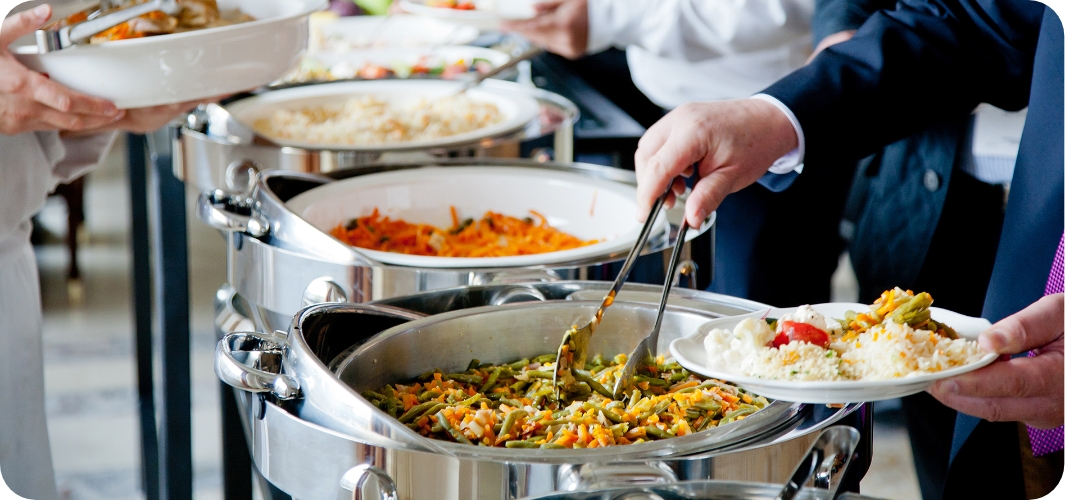
Presentation equipment creates memorable dining experiences that distinguish your service. This includes elegant chafing dishes with fuel sources for buffet service, portable induction warmers for keeping food at perfect temperatures, attractive serving platters and utensils, and customized display pieces that reflect your brand identity. For beverage service, commercial coffee makers, dispensers for both hot and cold drinks, and mobile bars can expand your service offerings.

Logistics technology ensures professional delivery and setup. Temperature-controlled delivery vehicles with separate compartments for hot, cold, and frozen items maintain food safety and quality during transport. Mobile payment systems, inventory management software, and event planning applications streamline operations and enhance client experience. Online ordering systems with menu customization options provide convenience for clients while reducing administrative workload. Investing in these technologies demonstrates professionalism and enables efficient service delivery that can justify premium pricing.

Need More Business Ideas?

Contact us for custom business plans and consultation

Contact Us on WhatsApp

+255 716 655 236

© 2023 Business Consulting Experts. All rights reserved.

Dehydrated Green Pepper Business Plan

Dehydrated Green Pepper Business Plan

Dehydrated Green Pepper Production Business Plan

1. Executive Summary

This business establishes a dehydrated green pepper production facility with 150kg daily capacity (46,800kg annually), generating $327,600 projected annual revenue. With only $2,946 startup capital required, the venture offers exceptional ROI potential by meeting growing demand for shelf-stable, convenient spices.

Key Business Advantages

  • Market Demand: Essential product for households and food businesses
  • Preservation Technology: 12-24 month shelf life vs 7-10 days for fresh
  • Scalable Model: Production can double with same equipment
  • Health Benefits: Retains 90% of original Vitamin C and antioxidants

2. Business Concept

Green pepper is a culinary staple valued for its flavor enhancement and health benefits including:

  • Rich source of Vitamin C (242mg per 100g)
  • High antioxidant content (ORAC value 1,700 μTE/100g)
  • Natural digestive stimulant
  • Essential in traditional medicine

Our dehydration process solves critical market problems:

Fresh Pepper Challenges Our Solution
7-10 day shelf life 12-24 month preservation
Seasonal availability Year-round supply
30-40% post-harvest loss Near-zero waste processing
Bulky storage requirements 10:1 volume reduction

3. Production Process

Raw Material Sourcing

Procure 1,500kg daily of fresh green peppers from contracted local farmers. Implement quality standards:

  • Uniform maturity (90-110 days old)
  • 8-10cm length
  • No blemishes or disease

Preparation

Three-stage cleaning process:

  1. Destalking - remove all stems
  2. Water bath washing - remove dirt
  3. Air drying - prepare for treatment

Preservation Treatment

Two-phase treatment to maintain quality:

  • Blanching: 90°C water for 2 minutes to deactivate enzymes
  • Sulfite Dip: 0.1% potassium metabisulfite solution to preserve color

Dehydration

Commercial tray drying at 60°C for 8-10 hours achieves:

  • Moisture content reduction from 85% to 8%
  • Color retention through controlled temperature
  • Flavor preservation via slow drying

Packaging

Customized packaging solutions:

Package Type Size Target Market
Retail Pouch 50g, 100g Supermarkets
Bulk Bag 5kg, 10kg Food Service
Export Drum 25kg International Buyers

Equipment Requirements

Equipment Qty Unit Cost Total
Industrial Dehydrator 2 $800 $1,600
Blanching Kettle 1 $300 $300
Packaging Machine 1 $500 $500
Quality Control Tools 1 set $200 $200
Total Investment $2,600

4. Market Strategy

Retail Market (40%)

  • Supermarket chains (Nakumatt, Shoprite)
  • Local grocery stores
  • Online spice retailers
  • Price: $8/kg

Food Service (35%)

  • Restaurants & hotels
  • Catering companies
  • School/office cafeterias
  • Price: $6/kg (bulk)

Export Market (25%)

  • European spice blenders
  • Middle East food processors
  • African diaspora markets
  • Price: $7/kg FOB

Marketing Implementation

Tactic Activities Budget (Year 1)
Trade Sampling 100 free samples to key buyers $500
Brand Development Logo, packaging design $300
Digital Presence Basic website, social media $200
Trade Shows 2 regional food expos $600

5. Financial Projections

First Year Operations

Annual Production 46,800 kg
Average Selling Price $7/kg
Gross Revenue $327,600
Raw Material Cost $163,800
Operating Costs $117,000
Net Profit $46,800

Investment Recovery

Initial Investment $2,946
Monthly Profit $3,900
ROI Period <1 month
Break-even Point 2,100 kg
Gross Margin 50%
Net Margin 14.3%

Start Your Spice Processing Business

Get complete technical specifications, supplier contacts, and customized financial models

Contact Us on WhatsApp

+255 716 655 236 | Email: itumberichard@gmail.com

BUSINESS IDEAS: Free-Range Egg Farming Business Idea

Free-Range Egg Farming Business Idea

Free-Range Organic Egg Farming Business Plan

1. The Core Idea

"We provide health-conscious families and local businesses with daily fresh, organic free-range eggs through sustainable small-scale poultry farming with full transparency from coop to kitchen."

The What:

Our business produces and sells premium-quality eggs from chickens raised in free-range, organic conditions. The product includes:

  • Daily fresh eggs (white, brown, and specialty colored varieties)
  • Organic feed-supplemented free-range production
  • Transparent farming practices with optional farm visits
  • Subscription-based home delivery service
  • Bulk supply to local restaurants and grocery stores

The Who:

Our target customers are:

  • Health-conscious families (aged 25-55, middle to upper-middle class) who prioritize organic, ethically-produced food
  • Local restaurants and cafes focusing on farm-to-table concepts
  • Organic grocery stores and specialty food shops
  • Bakers and pastry chefs who value high-quality eggs for their recipes

The Why:

We solve several problems for our customers:

  • Provides reliable access to truly free-range eggs (many commercial "free-range" operations are misleading)
  • Addresses growing concerns about food safety and antibiotic use in poultry
  • Solves the problem of inconsistent quality in supermarket eggs
  • Meets the demand for locally-produced, sustainable food options
  • Offers transparency that industrial egg producers cannot match

The How (Differentiator):

Our unique approach includes:

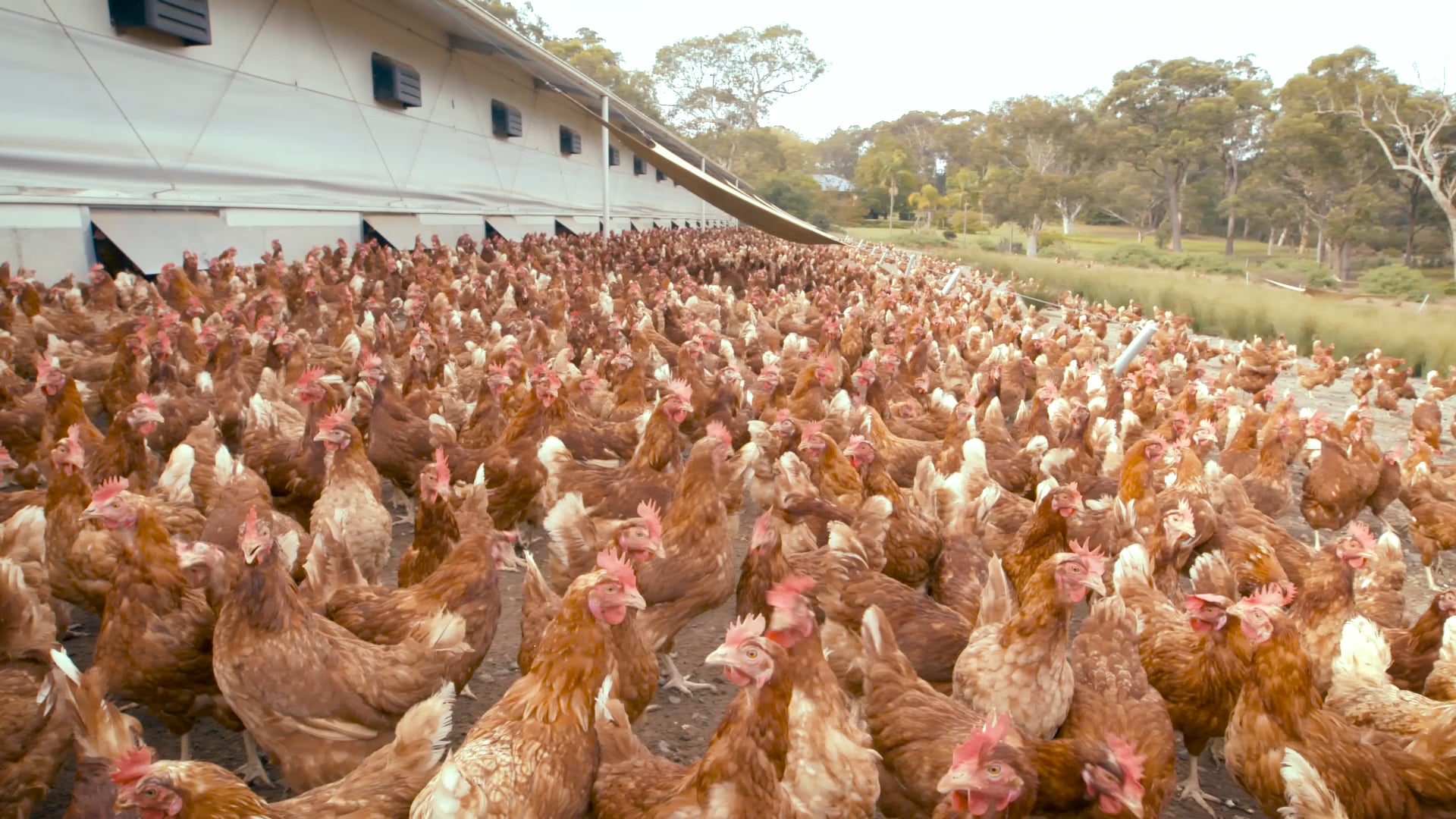
  • True free-range practices: Chickens have significant outdoor access (minimum 4 hours daily)
  • Mobile chicken coops: Rotating grazing areas to ensure fresh pasture and prevent disease
  • Feed transparency: Customers can know exactly what their chickens are eating
  • Chicken cam: Optional live streaming of the flock for premium customers
  • Egg traceability: Each carton has a code tracing back to the date/location of collection

2. The Market and Opportunity

Market Size:

The global organic egg market was valued at $8.3 billion in 2022 and is projected to grow at 6.8% CAGR through 2030. In local terms:

  • Urban areas show 15-20% annual growth in demand for organic eggs
  • 75% of consumers are willing to pay 20-30% premium for truly free-range eggs
  • The average household consumes approximately 200 eggs per year

The Gap:

Current market deficiencies we address:

  • Most commercial "free-range" operations still confine chickens in large barns with minimal outdoor access
  • Supermarket eggs average 2-4 weeks old by purchase time
  • Lack of transparency in poultry farming practices
  • Limited availability of truly pasture-raised eggs in many areas

Competition and Advantage:

Competitor Type Their Limitations Our Advantage
Industrial Egg Farms Low prices but poor animal welfare, older eggs Freshness, ethical standards, local presence
Other Free-Range Farms Often small production, inconsistent supply Scalable model with consistent quality
Organic Supermarkets High prices, unknown supply chain Direct relationship with producer, better pricing

Our competitive edge comes from combining true free-range practices with professional operations and direct marketing that builds customer trust.

3. The Business Model

Revenue Streams:

  1. Direct Consumer Sales:
    • Farm stand sales (highest margin)
    • Home delivery subscriptions (weekly/bi-weekly)
    • Farmers' market stalls
  2. Commercial Accounts:
    • Restaurants and cafes (contract pricing)
    • Organic grocery stores (wholesale)
    • Bakeries (bulk sales)
  3. Ancillary Revenue:
    • Chicken manure sales to gardeners
    • Educational farm tours
    • Sponsorship/adoption programs for chickens

Pricing Strategy:

  • Retail: $5-7/dozen (2-3× conventional eggs but comparable to premium organic)
  • Subscription: $22-25/month for 5 dozen (10% discount)
  • Commercial: $3.50-4.50/dozen based on volume
  • Premium: $8-10/dozen for rare breeds with live cam access

Cost Structure:

Primary expenses and management strategies:

Cost Category Estimated % Management Approach
Feed 30% Bulk purchasing, supplement with pasture
Labor 25% Owner-operated initially, then part-time help
Housing/Equipment 20% DIY coops, mobile units for rotational grazing
Chicks 10% Buy pullets to reduce brooding costs
Marketing 10% Social media focus, word-of-mouth
Miscellaneous 5% Vet care, transportation, packaging

4. The "How" of Execution

Production/Operations:

Phase 1 (Startup - 6 months):

  • Start with 200-300 laying hens (various breeds for egg diversity)
  • Construct 4 mobile coops (50 hens each) with rotational pasture access
  • Establish relationships with organic feed suppliers
  • Set up basic processing area for cleaning/candling eggs

Phase 2 (6-18 months):

  • Expand to 500-700 hens as demand grows
  • Add egg washing/grading equipment
  • Develop value-added products (liquid eggs, pickled eggs)
  • Implement chicken cam technology

Marketing and Sales:

  • Digital Presence: Farm website with online ordering, Instagram showing happy chickens
  • Local Partnerships: Cross-promotions with organic cafes, cooking demos
  • Community Engagement: Sponsor school programs, host farm days
  • Packaging: Distinctive branded cartons that tell our story
  • Sampling: Free dozen to influential local chefs

The Team:

Initial Team:

  • Owner/Operator: Poultry experience + business background
  • Part-time farm assistant: Daily feeding/collection
  • Delivery driver (contractor)

Future Needs:

  • Sales/marketing specialist
  • Additional farm labor
  • Accountant/bookkeeper

Need More Business Ideas?

Contact us via WhatsApp: +255 716 652 236

Event Planning Business - Complete Guide

Event Planning Business - Complete Guide

Event Planning Business Guide

Your complete roadmap to starting a successful event planning business in East Africa

What is an Event Planning Business?

An event planning business is a professional service that conceptualizes, organizes, and executes various types of events for clients. This includes corporate events (conferences, seminars, product launches), social events (weddings, birthdays, anniversaries), and special events (charity fundraisers, festivals, exhibitions). Event planners work closely with clients to understand their vision, budget, and requirements, then coordinate all aspects of the event to ensure its success.

Event planners handle numerous responsibilities including venue selection, vendor management, budget planning, theme development, logistics coordination, and on-site event management. They serve as the central point of contact for all parties involved and troubleshoot any issues that arise before or during the event. The business requires strong organizational skills, creativity, attention to detail, and the ability to work under pressure.

The event planning industry offers various business models: full-service planning (handling all aspects), partial planning (assisting with specific elements), day-of coordination, or specialization in particular event types. Success in this field depends on building a network of reliable vendors, developing a portfolio of successful events, and maintaining strong client relationships through exceptional service and delivery.

Business Environment in East Africa

The event planning industry in East Africa has experienced significant growth over the past decade, driven by economic development, urbanization, and a growing middle class with disposable income for celebrations and professional events. Countries like Kenya, Tanzania, Uganda, and Rwanda have seen increased demand for professional event services, particularly in major urban centers like Nairobi, Dar es Salaam, Kampala, and Kigali.

The business environment presents both opportunities and challenges. Growing corporate sectors, especially in technology, finance, and telecommunications, require professional event management for product launches, conferences, and corporate meetings. The wedding industry continues to thrive with couples increasingly seeking professional planners to execute their special day. Tourism also contributes to event opportunities with destination weddings and international conferences.

Challenges include intense competition in urban areas, price sensitivity among clients, and the need to constantly update services to match global standards. Regulatory requirements vary across countries, and building a reliable network of vendors can take time. However, the market is far from saturated, especially in secondary cities and towns, offering expansion opportunities for established event planning businesses.

Market Analysis

The event planning market in East Africa can be segmented into corporate events, social events (weddings, parties), and special events (conferences, exhibitions). Corporate clients typically have larger budgets and require professional services for business-related events. The social events segment, particularly weddings, represents the largest market share with couples increasingly outsourcing event planning to professionals.

Competition varies across the region, with established players in major cities and limited competition in smaller towns. The market includes large event management companies, mid-sized specialized planners, and individual freelance planners. Differentiation is key to success, whether through specialization (destination weddings, eco-friendly events), unique themes, or exceptional service quality.

Market trends include growing demand for virtual and hybrid events, sustainable event options, culturally infused themes, and experiential events that offer unique guest experiences. Pricing strategies must consider local economic conditions while accounting for quality expectations of different client segments. The market shows promising growth potential, especially with the region's economic development and increasing adoption of professional event services.

Ideal Location

Selecting the right location is crucial for an event planning business. Urban centers with commercial activity like Nairobi, Dar es Salaam, Kampala, and Kigali offer the highest concentration of potential corporate clients. Areas with luxury hotels, conference centers, and wedding venues provide natural proximity to event spaces and clients. Office space in business districts, while expensive, offers visibility and accessibility to corporate clients.

For businesses focusing on social events, locations near residential areas with high-income households can be advantageous. Some event planners opt for home-based offices initially to reduce overhead costs, especially when starting. Virtual offices have also become viable with digital communication tools, allowing planners to operate from various locations while maintaining a professional image.

Consider accessibility for client meetings, proximity to vendor networks, and the image projected by your location. While a prestigious address may attract high-end clients, it also comes with higher costs. The choice between physical office, shared workspace, or virtual office should align with your target market, business model, and growth stage. Many successful event planners start from home and expand to physical offices as their business grows.

Potential Customers

The customer base for an event planning business in East Africa is diverse. Corporate clients include multinational corporations, local businesses, NGOs, and government agencies needing event management for conferences, product launches, team-building activities, and corporate celebrations. These clients value professionalism, reliability, and the ability to handle complex logistics.

Individual clients seeking social event planning primarily include couples planning weddings, families organizing celebrations (birthdays, anniversaries, graduations), and individuals hosting special occasions. The growing middle class and affluent segments are increasingly willing to invest in professional event services to ensure memorable celebrations without the stress of self-organization.

Other potential clients include educational institutions requiring event management for conferences and ceremonies, religious organizations planning large gatherings, and community groups organizing festivals or fundraisers. Non-profit organizations often need event planners for charity galas and fundraising events. Each client segment has different needs, budget considerations, and expectations, requiring tailored approaches in service offering, pricing, and marketing strategies.

Advertising Strategies

Effective advertising is essential for attracting clients to your event planning business. Digital marketing offers powerful tools including a professional website showcasing your portfolio, social media presence on platforms like Instagram, Facebook, and Pinterest (ideal for visual content), and search engine optimization to increase visibility. Content marketing through blogs, videos, and podcasts can establish your expertise and attract organic traffic.

Networking remains crucial in the events industry. Building relationships with venue managers, caterers, photographers, and other vendors can lead to referrals. Joining professional associations and attending industry events increases visibility among peers and potential clients. Partnering with complementary businesses like wedding dress boutiques, jewelry stores, or corporate service providers can create referral partnerships.

Traditional advertising methods still have value, particularly in local markets. This includes printed materials (brochures, business cards), local magazine features, and radio advertisements. Offering free workshops or seminars on event planning topics can showcase your expertise to potential clients. Client testimonials and case studies are powerful social proof that can be featured on your website and marketing materials. Finally, exceptional service delivery leads to word-of-mouth referrals, which remain the most effective marketing channel in the events industry.

Technological Equipment for Differentiation

Investing in the right technology can significantly differentiate your event planning business from competitors. Event management software like Cvent, Eventbrite, or local alternatives helps streamline processes from client management to vendor coordination. Project management tools such as Asana or Trello ensure efficient task management and team collaboration, especially for complex events with multiple components.

Virtual and hybrid event capabilities have become essential in the post-pandemic era. This includes high-quality video conferencing equipment, live streaming tools, virtual event platforms, and interactive technology for engaging remote attendees. Augmented and virtual reality tools can offer clients immersive venue tours or event previews, providing a competitive edge in presentation.

For on-site event management, reliable communication equipment (two-way radios, mobile devices), presentation technology (projectors, screens, sound systems), and event apps for attendee engagement enhance the professional experience. Customer relationship management (CRM) software helps maintain client databases and track interactions for better service. Additionally, high-quality photography and videography equipment allow you to document events professionally for your portfolio and marketing materials. Investing in these technologies demonstrates professionalism and enables efficient service delivery that can justify premium pricing.

Need More Business Ideas?

Contact us for custom business plans and consultation

Contact Us on WhatsApp

+255 716 655 236

© 2023 Business Consulting Experts. All rights reserved.

Soup Business Idea

Soup Business Idea - Complete Guide

Soup Business Idea

Complete guide to starting and running a successful soup business in East Africa

What is a Soup Business?

A soup business specializes in preparing and selling various types of soups to customers. This can range from a small-scale operation selling traditional local soups to a larger enterprise offering diverse international soup varieties. The business may operate through a physical storefront, food truck, market stall, or delivery-only model. Soups are popular across all demographics due to their nutritional value, affordability, and comfort factor.

A successful soup business typically focuses on quality ingredients, unique recipes, and efficient service. The menu might include both classic favorites and innovative creations, catering to different dietary preferences such as vegetarian, vegan, gluten-free, or protein-rich options. Packaging and presentation are crucial elements, especially for takeaway and delivery services.

The soup business model offers several advantages: relatively low startup costs compared to full-service restaurants, high-profit margins on ingredients, scalability, and the ability to operate in various formats from home-based to commercial kitchen setups. With the growing demand for convenient, healthy food options, a well-executed soup business can tap into multiple market segments including office workers, students, health-conscious individuals, and families seeking quick meal solutions.

Business Environment in East Africa

The food and beverage industry in East Africa is experiencing significant growth, driven by urbanization, rising disposable incomes, and changing consumer preferences. The soup business environment is particularly promising due to the region's climate, culinary traditions, and increasing demand for convenient food options. Many East African cultures have strong soup traditions, providing a solid foundation for businesses offering both traditional and innovative soup varieties.

Economic growth in countries like Kenya, Tanzania, and Uganda has created a expanding middle class with more dining-out options and willingness to try new food experiences. The growing tourism industry also presents opportunities for food businesses catering to international visitors. However, challenges include competition from established restaurants, infrastructure limitations in some areas, and navigating regulatory requirements which vary by country and municipality.

Seasonal weather patterns in East Africa, with cooler periods and rainy seasons, create natural demand for warm, comforting soups. The relatively low startup costs compared to other food businesses make soup ventures accessible to entrepreneurs. Success in this market requires understanding local tastes while potentially introducing new flavors, maintaining consistent quality, and implementing effective marketing strategies to stand out in a competitive landscape.

Market Analysis

The soup market in East Africa can be segmented into several categories: traditional local soups, international soup varieties, premium/artisan soups, and health-focused soups. Traditional soups hold strong cultural significance and enjoy widespread acceptance, while international varieties appeal to urban consumers, expatriates, and tourists seeking familiar options.

Competition varies across the region, with major urban centers having more established soup offerings while smaller towns present opportunities for market entry. The rise of food delivery platforms has expanded the potential customer base for soup businesses beyond their immediate vicinity. Pricing strategies must balance affordability with quality positioning, considering local economic conditions.

Key success factors include taste consistency, ingredient quality, speed of service, and effective branding. Seasonal fluctuations should be anticipated, with potential for increased demand during cooler months and rainy seasons. Partnerships with complementary businesses like bakeries or salad bars can create cross-selling opportunities and expand market reach.

Ideal Location

Selecting the right location is critical for a soup business's success. Urban centers and commercial districts with high foot traffic offer excellent visibility and access to potential customers. Office areas are particularly valuable as they provide lunchtime crowds seeking quick, nutritious meal options. Locations near universities or colleges can tap into the student market, especially during cooler months when warm food is appealing.

Food courts in shopping malls provide built-in customer traffic and shared infrastructure benefits. Residential neighborhoods with high population density can support subscription-based models or regular pickup services. For businesses focusing on delivery, a central location with good access to transportation routes is more important than street visibility.

Consider areas with limited soup options to reduce direct competition. Proximity to fresh ingredient suppliers can reduce costs and ensure quality. The location should have adequate utilities (water, electricity) and comply with local zoning regulations for food businesses. For initial market testing, farmers' markets or food festivals can provide low-commitment opportunities to gauge customer response before investing in a permanent location.

Potential Customers

The customer base for a soup business in East Africa is diverse, encompassing multiple demographic segments. Office workers represent a primary target market, seeking convenient lunch options that are healthier than fast food. Students from universities and colleges are another key demographic, often with limited cooking facilities and budgets, making soup an attractive meal solution.

Health-conscious individuals appreciate soups for their nutritional value, especially when made with fresh, natural ingredients. Families often purchase soups as easy meal solutions, particularly during busy weekdays or cooler weather. Tourists and expatriates may seek out both local soup varieties and familiar international options.

Hospitals and healthcare facilities can be valuable B2B customers, providing nutritious options for patients and staff. Elderly customers often prefer softer foods like soups and may become regular clients. Corporate clients might contract for regular office catering or meeting refreshments. Understanding these diverse customer segments allows for tailored menu development, pricing strategies, and marketing approaches to maximize market penetration and customer loyalty.

Advertising Strategies

Effective advertising is crucial for building awareness and attracting customers to your soup business. Digital marketing offers cost-effective options including social media campaigns on platforms like Facebook, Instagram, and Twitter. High-quality photos of your soups, behind-the-scenes content, and customer testimonials can engage potential customers. A website with online ordering capabilities expands your reach beyond physical location constraints.

Local marketing tactics include distributing flyers in office buildings, residential areas, and university campuses. Partnerships with complementary businesses like bakeries, coffee shops, or grocery stores can cross-promote your products. Offering free samples at strategic locations or events allows potential customers to experience your product firsthand.

Traditional advertising methods like local radio spots, newspaper ads, and community bulletin boards still reach certain demographics effectively. Loyalty programs encourage repeat business, while referral incentives turn satisfied customers into brand ambassadors. Participating in food festivals, farmers' markets, and community events increases visibility. For B2B opportunities, direct sales approaches to offices, hospitals, and schools can secure valuable bulk orders. Consistent branding across all touchpoints and exceptional customer service are ultimately the most powerful advertising tools.

Technological Delivery Solutions

Modern technology offers various solutions for delivering soup to customers efficiently. Online ordering systems integrated into your website or social media platforms allow customers to place orders conveniently. Partnering with third-party delivery services like Uber Eats, Glovo, or local delivery platforms expands your reach without requiring investment in delivery infrastructure.

Thermal packaging is essential for maintaining soup temperature during delivery. Insulated bags and containers ensure soups arrive hot and appetizing. For businesses managing their own delivery, route optimization software can improve efficiency and reduce delivery times. Mobile payment solutions like M-Pesa, Airtel Money, and credit card processors facilitate seamless transactions.

Inventory management software helps track ingredients and reduce waste. Customer relationship management (CRM) systems can maintain customer data for personalized marketing and loyalty programs. Temperature monitoring devices ensure food safety during storage and transportation. Implementing these technological solutions enhances operational efficiency, improves customer experience, and supports business growth in the competitive food market.

Need a Custom Soup Business Plan?

We specialize in creating detailed business plans for food businesses in East Africa

Contact Us on WhatsApp

+255 716 655 236

© 2023 Food Business Consultants. All rights reserved.

© all rights reserved
made with by templateszoo