


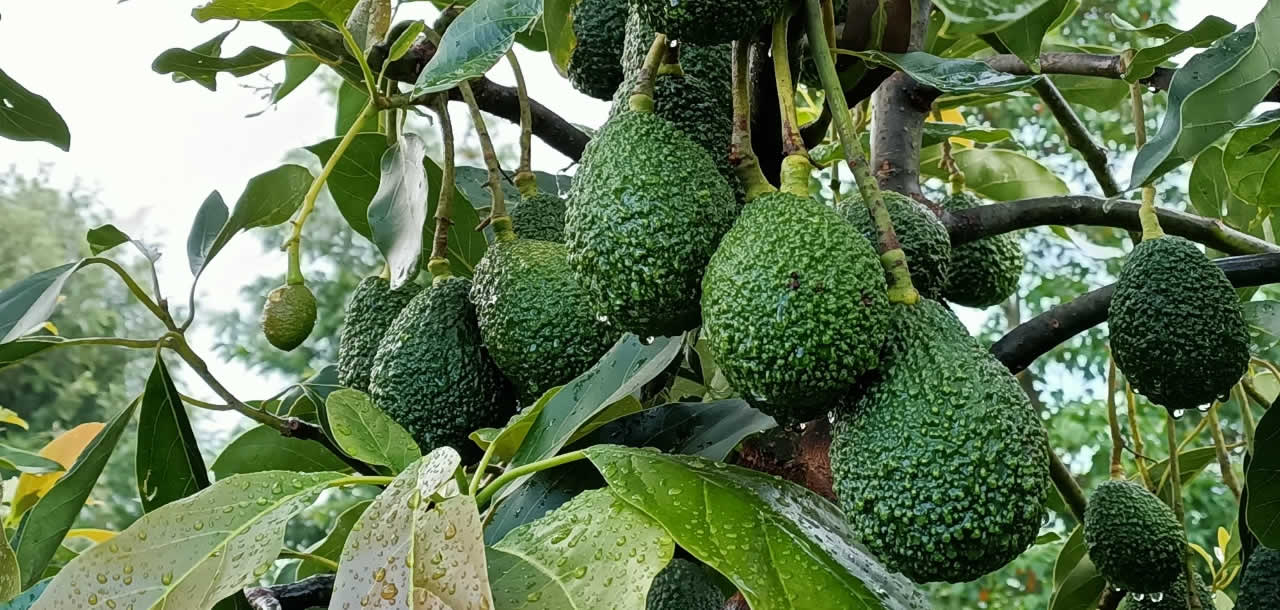
Avocado Farming Market Analysis
Comprehensive analysis of avocado farming in Tanzania - Market trends, statistics, and future projections
Introduction
Avocado farming has emerged as a significant agricultural sector in Tanzania, showing tremendous growth potential over the past decade. With favorable climatic conditions, increasing global demand, and government support, Tanzania is positioning itself as a key player in the international avocado market. The country's diverse agro-ecological zones provide ideal conditions for cultivating various avocado varieties, particularly the highly sought-after Hass avocado which commands premium prices in European and Middle Eastern markets.
The avocado sector represents a promising opportunity for economic growth, job creation, and foreign exchange earnings for Tanzania. Smallholder farmers, who constitute the majority of avocado producers in the country, are increasingly recognizing the crop's potential for higher returns compared to traditional crops. This shift is gradually transforming local economies in regions like Arusha, Kilimanjaro, Mbeya, and Njombe, where avocado cultivation is most concentrated.
Historical Background
Avocado cultivation in Tanzania has a long history, dating back to the early 20th century when missionaries and colonial settlers introduced the fruit. However, for many decades, avocado production remained largely subsistence-oriented with limited commercial focus. Farmers primarily grew local varieties for domestic consumption, with minimal organized production for export markets.
The transformation towards commercial avocado farming began in earnest in the early 2000s, when entrepreneurs and agricultural experts recognized the potential of exporting avocados to international markets. The real breakthrough came around 2010-2015 when the Tanzanian government and development partners started actively promoting avocado as a high-value export crop. This period saw the introduction of improved Hass and Fuerte varieties, which are preferred in international markets due to their longer shelf life and superior quality.
Between 2015 and 2020, the sector experienced rapid growth, with the area under avocado cultivation expanding significantly. Export volumes grew from just a few containers annually to over 200 containers by 2019. The establishment of packhouses and cooling facilities by private investors, particularly in the Northern Zone, facilitated this growth by addressing critical post-harvest handling challenges.
Recent years have seen increased organization among farmers through cooperatives and associations, improved access to quality seedlings, and growing interest from international buyers. The Tanzanian Avocado Industry Development Strategy (2021-2030) has provided a roadmap for further developing the sector, focusing on increasing production, improving quality, and expanding market access.
Government Support
The Tanzanian government has recognized the potential of avocado farming as a source of export revenue and rural development, and has implemented several supportive measures. Through the Ministry of Agriculture, the government has facilitated the distribution of improved avocado seedlings to farmers, particularly in regions with high potential for avocado production. These initiatives are often implemented in collaboration with local government authorities and agricultural research institutes.
The government has also invested in infrastructure development critical for the avocado value chain. This includes improving rural roads in avocado-growing regions to facilitate transportation of produce to markets and packhouses. Additionally, the Tanzania Agricultural Development Bank (TADB) has introduced loan products specifically designed for horticulture farmers, including avocado producers, offering favorable terms for orchard establishment and expansion.
To enhance market access, the government has engaged in bilateral trade negotiations to open new export markets for Tanzanian avocados. Notably, efforts are underway to gain market access to China and expand existing markets in Europe and the Middle East. The government has also supported participation in international trade fairs and exhibitions where Tanzanian avocado exporters can showcase their products and establish business connections.
Quality standards and phytosanitary measures have been strengthened through the Tanzania Bureau of Standards (TBS) and the Tanzania Plant Health and Pesticide Authority (TPHPA). These institutions work with farmers and exporters to ensure compliance with international standards, which is crucial for maintaining and expanding export markets. Training programs on Good Agricultural Practices (GAP) and post-harvest handling have been conducted across avocado-growing regions to improve product quality and reduce losses.
Furthermore, the government has supported the formation and strengthening of farmer cooperatives and associations, recognizing that collective action can improve smallholders' access to inputs, information, and markets. These organizations receive support in areas such as organizational development, business management, and negotiation skills, enabling them to better serve their members and engage effectively with other value chain actors.
Current Market Statistics (2023)
Production by Region (MT)
Export Destinations (%)
Factors Affecting the Market
The Tanzanian avocado market is influenced by a complex interplay of factors that present both opportunities and challenges for stakeholders. Climate change represents a significant factor, with changing rainfall patterns and increased frequency of droughts affecting production in some regions. Conversely, some areas are experiencing more favorable conditions for avocado cultivation, leading to shifting production zones within the country.
International market dynamics greatly influence local prices and production decisions. Fluctuating demand in key export markets, particularly in Europe, directly impacts prices received by Tanzanian farmers. Competition from other avocado-producing countries such as Kenya, Peru, and Mexico also affects Tanzania's market position, requiring continuous improvement in quality and efficiency to maintain competitiveness.
Infrastructure limitations present substantial challenges to the sector. Inadequate road networks in production areas increase transportation costs and time, affecting fruit quality upon reaching markets. Limited cold chain facilities and packhouses constrain the ability to handle large volumes of fruit while maintaining quality standards. Energy reliability issues also affect cold storage operations, potentially leading to post-harvest losses.
Access to finance remains a critical constraint for many smallholder farmers seeking to establish or expand avocado orchards. The long gestation period of avocado trees (3-4 years before full production) requires patient capital, which is often not readily available. High-interest rates and collateral requirements exclude many smallholders from formal credit markets, limiting their ability to invest in improved inputs and technologies.
Pest and disease management represents another significant factor affecting production. The spread of diseases such as root rot and pests like fruit flies can substantially reduce yields and quality if not properly managed. Limited knowledge and resources among smallholder farmers for integrated pest management practices sometimes result in inadequate control measures or overreliance on pesticides that may affect market access due to residue concerns.
Policy and regulatory environment also influences market development. While generally supportive, inconsistencies in implementation of agricultural policies, delays in export permits, and changing tax regimes can create uncertainty for investors and exporters. Efforts to streamline regulations and provide predictable policy frameworks are essential for attracting long-term investment in the sector.
Market Projection (Next 3 Years)
Projected Growth Metrics
| Metric | 2023 | 2024 (Projected) | 2025 (Projected) | 2026 (Projected) |
|---|---|---|---|---|
| Area Under Cultivation (Ha) | 12,500 | 15,200 | 18,500 | 22,000 |
| Production Volume (MT) | 28,000 | 35,000 | 45,500 | 58,000 |
| Export Volume (MT) | 16,800 | 22,400 | 31,850 | 44,600 |
| Export Value ($ Millions) | 42 | 58 | 82 | 115 |
| Number of Farmers | 35,000 | 42,000 | 50,400 | 60,500 |
Projected Revenue Growth
Contact SparkInvest for Investment Opportunities
Get in touch with us for detailed investment analysis, partnership opportunities, and market insights

 Newspaper is an amazing magazine blogger theme that is easy to use and change to fit your needs
No comments
Post a Comment