


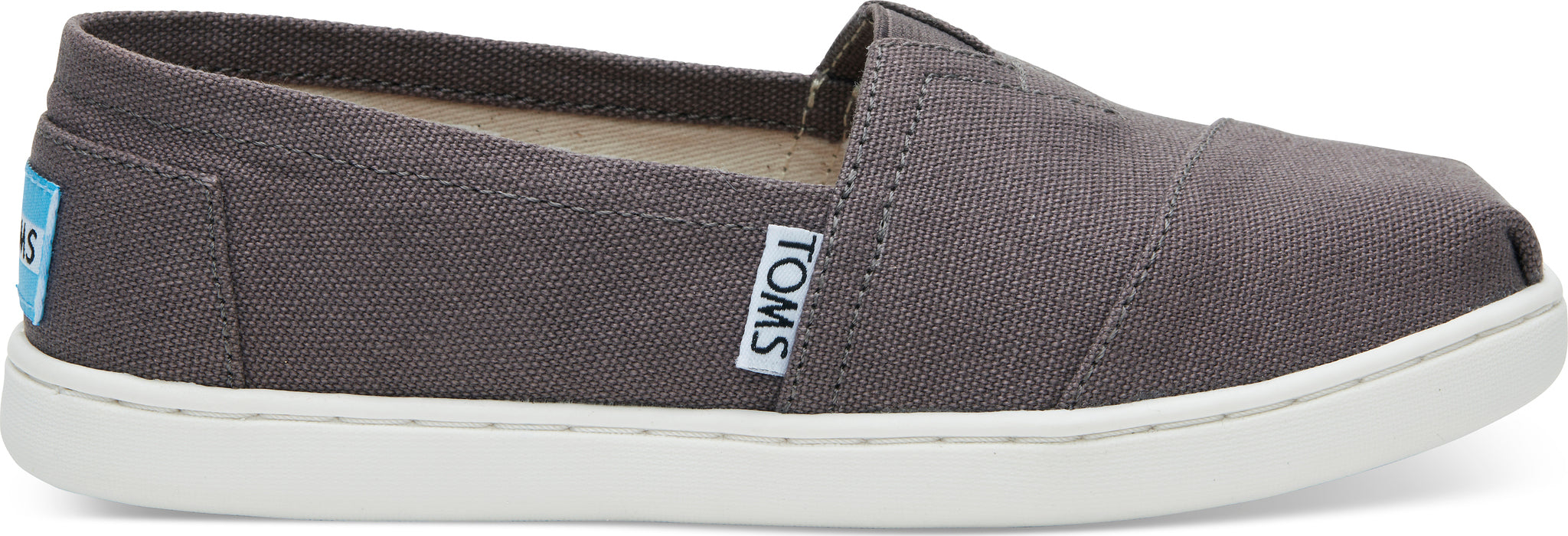
TOMS Shoes: A Triumph Story
The inspiring journey of a company that revolutionized social entrepreneurship with its "One for One" model
Company Description
TOMS is a pioneering social enterprise founded in 2006 by Blake Mycoskie, renowned for its innovative "One for One" business model. For every product sold, TOMS would donate a pair of shoes to a child in need. This simple yet powerful concept transformed the company into more than just a footwear brand—it became a movement that inspired conscious consumerism worldwide.
The company's product line has expanded from its iconic alpargata shoes to include eyewear, coffee, bags, and apparel, each tied to a specific social mission. Beyond product donations, TOMS has evolved to support community development through safe water access, sight-saving surgeries, bullying prevention programs, and safe birth services. TOMS represents a new paradigm in business where profit and purpose coexist, demonstrating that companies can be financially successful while making a significant positive impact on global communities.
With its distinctive style, comfortable footwear, and compelling social mission, TOMS has built a loyal customer base that spans generations. The company's story has inspired countless other businesses to incorporate social responsibility into their core operations, cementing TOMS' legacy as a trailblazer in the social enterprise movement.
TOMS Today
Today, TOMS continues to operate with its social mission at the forefront, though it has evolved its giving model to be more impactful and sustainable. After being acquired by Bain Capital and then by current owners Jefferies Financial Group and Nexus Capital Management, TOMS has refined its approach to social entrepreneurship.
The company now focuses on grassroots partnerships and cash grants rather than solely product donations, allowing for more targeted and effective community support. While maintaining its commitment to giving, TOMS has expanded its product lines and distribution channels, remaining relevant in a highly competitive market. The brand continues to resonate with consumers who value both style and social consciousness, proving that its mission-driven approach has enduring appeal.
Humble Beginnings: Step by Step
The Inspiration (2006)
While traveling in Argentina, Blake Mycoskie witnessed the hardships faced by children growing up without shoes. He saw how this simple lack affected their health, education, and well-being. This experience planted the seed for what would become TOMS.
The Idea
Mycoskie conceived the "One for One" model: for every pair of shoes sold, another would be given to a child in need. He chose the alpargata, a traditional Argentine shoe, as TOMS' first product due to its simple design and comfort.
Initial Launch
With just $300,000 from friends and family, Mycoskie launched TOMS. The company started small, selling shoes from his apartment and eventually securing placement in a few boutiques in Los Angeles.
Media Breakthrough
A 2007 Los Angeles Times article and subsequent feature in Vogue magazine brought national attention to TOMS. The compelling story behind the brand resonated with consumers, leading to rapid growth.
First Shoe Drop
In October 2006, just six months after starting the company, Mycoskie returned to Argentina with family, friends, and staff to hand-deliver 10,000 pairs of shoes to children in need, fulfilling his initial promise.
Rapid Expansion
By 2009, TOMS had given away 140,000 pairs of shoes. The company expanded its product line beyond the classic alpargata to include wedges, botas, and cordones, while maintaining its commitment to giving.
Expanding the Model
In 2011, TOMS expanded its One for One model to eyewear, helping restore sight to people in need with each purchase of sunglasses or optical frames. This marked the beginning of TOMS' evolution beyond shoes.
Challenges Along the Way
Scaling the Giving Model
As TOMS grew, logistics of distributing millions of shoes became increasingly complex. The company faced criticism that shoe donations could disrupt local economies and create dependency rather than sustainable solutions.
Market Competition
TOMS faced intense competition from established footwear brands and new companies that emulated its style and social mission. Maintaining market share while staying true to its values proved challenging.
Business Sustainability
Balancing philanthropic goals with profitability was an ongoing challenge. In 2019, facing financial difficulties, TOMS was acquired by creditors in a debt restructuring deal that allowed it to continue operations while reevaluating its strategy.
Evolving Consumer Expectations
As conscious consumerism evolved, customers began demanding more transparency and deeper social impact. TOMS had to adapt its giving model to address these changing expectations while remaining true to its core mission.
Competitors and Navigation Strategy
| Competitor | Challenge Posed | TOMS' Response |
|---|---|---|
| Traditional Footwear Brands (Nike, Adidas) | Established market presence, extensive product lines, massive marketing budgets | Differentiated through social mission, created emotional connection with customers |
| Fast Fashion Retailers (Zara, H&M) | Lower prices, rapidly changing styles, broad appeal | Emphasized quality, comfort, and timeless design over fast-changing trends |
| Social Enterprise Copycats | Similar giving models, often with lower prices or different causes | Maintained authenticity as the original, expanded giving beyond shoes to multiple causes |
| Direct-to-Consumer Brands | Digital-native approaches, social media marketing expertise | Leveraged its powerful story, built community through events like "One Day Without Shoes" |
TOMS navigated these competitive challenges by staying true to its core mission while adapting to market changes. The company focused on building an emotional brand connection that went beyond transactional relationships. By sharing powerful stories of impact and creating engaging experiences for customers, TOMS cultivated loyalty that transcended ordinary consumer-brand relationships.
When copycat social enterprises emerged, TOMS emphasized its authenticity as the original One for One company. Rather than competing solely on price, TOMS invested in product quality, comfort, and design innovation while expanding its giving model to address multiple social issues, thus broadening its appeal and impact.
Achievements Today
TOMS' most significant achievement is pioneering the "One for One" model that inspired a new generation of social entrepreneurs. The company has demonstrated that businesses can be profitable while making a substantial positive impact on global communities. With over 100 million pairs of shoes donated to children in need worldwide, TOMS has directly improved the health, education, and well-being of countless individuals.
Beyond shoes, TOMS has expanded its impact to include sight restoration, clean water access, and safe birth services. The company's evolution from product donations to community-based giving has increased the effectiveness and sustainability of its social mission. TOMS has also successfully built a globally recognized brand that stands for both style and social consciousness, creating a loyal customer base that believes in its mission.
Perhaps TOMS' greatest legacy is its role in popularizing social entrepreneurship. The company has inspired thousands of businesses to incorporate giving into their models and has influenced consumers to consider the social impact of their purchases. This cultural shift toward conscious consumerism represents a lasting achievement that extends far beyond TOMS' own operations.
Future Expectations: Next 5 Years
Over the next five years, TOMS is expected to continue evolving its business and giving models to address changing market dynamics and increasing expectations for social impact. The company will likely focus on deepening rather than broadening its impact, partnering with more local organizations to address root causes of poverty in a more sustainable way.
Digital transformation will be a key focus area, with TOMS expected to enhance its e-commerce capabilities, leverage data analytics to personalize customer experiences, and use technology to increase transparency in its giving programs. The company may explore blockchain or other technologies to allow customers to track the impact of their purchases more directly.
Sustainability will become increasingly important, with TOMS likely to invest in more eco-friendly materials, circular economy initiatives, and carbon-neutral operations. As consumers become more concerned about environmental issues alongside social ones, TOMS will need to demonstrate leadership in both areas to maintain its position as a purpose-driven brand.
Product innovation will remain crucial, with TOMS expected to expand into new categories while refreshing its core offerings. Collaborations with designers, artists, and other brands may increase as TOMS seeks to stay relevant in a crowded market. Throughout these changes, maintaining authenticity and staying true to its mission will be essential for TOMS' continued success.
Contact SparkInvest for Investment Opportunities
Get in touch with us for detailed investment analysis, partnership opportunities, and market insights

 Newspaper is an amazing magazine blogger theme that is easy to use and change to fit your needs
No comments
Post a Comment