


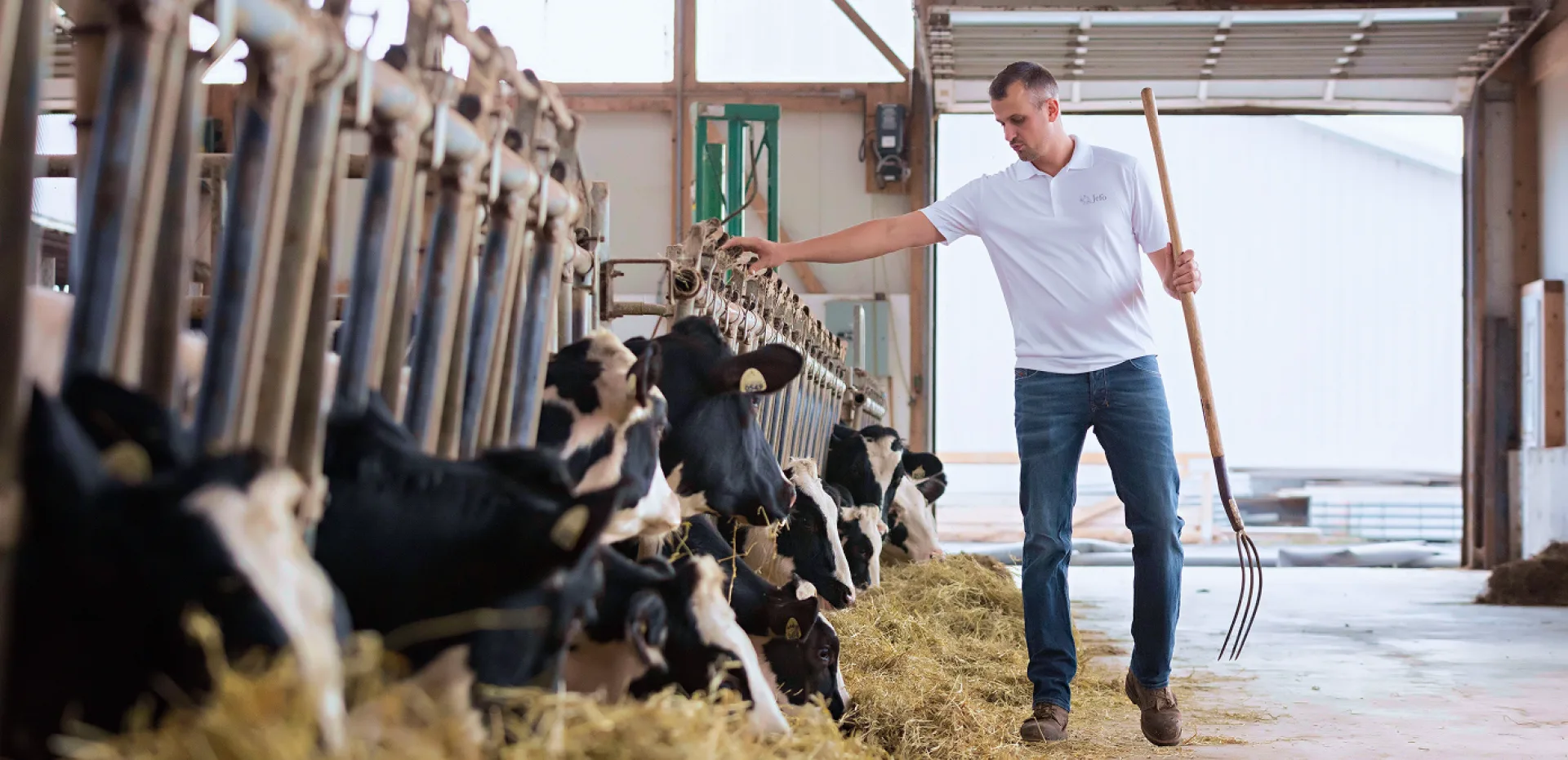
Training Workers for Effective Cattle Management
A Comprehensive Guide to Developing Skilled and Confident Farm Staff
Well-trained workers are the backbone of successful cattle operations. This comprehensive training guide provides a structured approach to developing skilled, confident, and motivated staff who can effectively manage your cattle and contribute to farm profitability.
Step 1: Basic Orientation & Foundation
Understanding Cattle Behavior
Key Concepts to Teach:
- Flight Zone: The animal's personal space (1.5-5 meters)
- Point of Balance: Shoulder point that determines movement direction
- Herd Instinct: How cattle follow each other in groups
- Vision: Wide-angle vision but poor depth perception
- Stress Signals: Tail flicking, vocalizing, restlessness
Practical Demonstration: Show how to approach cattle calmly, use of pressure and release, and reading body language cues.
Farm Layout & Safety Rules
Essential Orientation Topics:
- Farm boundaries and restricted areas
- Location of key facilities (feed storage, handling areas, water points)
- Emergency procedures and contact numbers
- Personal protective equipment requirements
- Vehicle and machinery safety zones
Safety Equipment Training: Proper use of boots, gloves, and protective clothing when handling cattle or working in barns.
Critical Safety Protocols
| Situation | Safety Risk | Preventive Measures | Emergency Response |
|---|---|---|---|
| Handling Aggressive Animals | Kicking, charging, crushing | Work in pairs, use proper facilities, recognize warning signs | Move to safety, alert supervisor, document incident |
| Working in Confined Spaces | Gases, low oxygen, entrapment | Ventilate first, test air quality, work with partner | Evacuate immediately, call for help, do not attempt rescue alone |
| Administering Treatments | Needle sticks, chemical exposure | Proper restraint, correct dosage, protective gear | First aid immediately, report exposure, seek medical attention |
| Feeding Operations | Equipment accidents, dust inhalation | Machine guards, dust masks, proper lifting techniques | Shut off equipment, first aid, report to supervisor |
Steps 2-3: Daily Routines & Record Keeping
Daily Routine Demonstration Checklist
Feeding Procedures
- Correct feed measurement
- Proper distribution methods
- Feed storage and handling
- Water system maintenance
- Feed quality assessment
Cleaning & Sanitation
- Barn cleaning techniques
- Manure management
- Equipment sanitation
- Waste disposal protocols
- Pest control measures
Cattle Handling
- Proper moving techniques
- Loading and unloading
- Restraint methods
- Low-stress handling
- Equipment operation
Health Observation
- Normal vs. abnormal behavior
- Body condition scoring
- Lameness detection
- Respiratory assessment
- Appetite monitoring
Record Keeping Training
Essential Records to Maintain:
- Feed Records: Types, amounts, consumption patterns
- Health Records: Treatments, vaccinations, illnesses
- Breeding Records: Mating dates, pregnancy checks, calving
- Production Records: Weight gains, milk production
- Inventory Records: Animal numbers, movements, sales
Training Methods:
- Use simple, standardized forms with clear headings
- Provide examples of properly completed records
- Implement regular record review sessions
- Use mobile apps or digital tools if appropriate
- Connect record keeping to decision-making processes
Common Mistakes to Avoid: Incomplete entries, illegible writing, delayed recording, failure to note important observations.
Step 4: Health & Hygiene Training
Recognizing Signs of Sickness
Critical Symptoms to Identify:
- Isolation: Animal separating from the herd
- Appetite Changes: Reduced feed or water intake
- Behavior Changes: Lethargy, agitation, or unusual vocalization
- Physical Signs: Discharge, coughing, lameness, bloating
- Production Changes: Drop in milk yield or weight loss
Training Exercises: Use photos and videos of sick animals, conduct regular health observation drills, create symptom identification cards.
Hygiene & Biosecurity Protocols
Essential Hygiene Practices:
- Hand washing before and after animal contact
- Boot cleaning and disinfection between pens
- Proper cleaning of equipment and facilities
- Isolation procedures for new or sick animals
- Visitor management and vehicle sanitation
Disease Prevention Training:
- Understanding disease transmission pathways
- Vaccination schedule adherence
- Parasite control measures
- Proper disposal of dead animals
- Pest control implementation
Steps 5-6: Hands-On Practice & Role Clarity
Structured Hands-On Learning
Progressive Training Approach:
- Observation: Watch experienced workers perform tasks
- Assistance: Help with tasks under close supervision
- Supervised Practice: Perform tasks with trainer observing
- Independent Work: Work alone with periodic checks
- Skill Validation: Demonstrate competency in all assigned tasks
Key Practice Areas:
- Daily feeding and watering routines
- Basic health checks and observations
- Facility cleaning and maintenance
- Safe animal handling and movement
- Emergency response procedures
Clear Role Definitions
Creating Job Descriptions:
- List specific duties and responsibilities
- Define performance expectations
- Establish reporting relationships
- Set work schedules and break times
- Outline equipment operation authority
Sample Role Division:
- Feeding Specialist: Feed preparation, distribution, storage management
- Health Monitor: Daily observations, basic treatments, record keeping
- Facility Manager: Cleaning, maintenance, repair coordination
- Handling Expert: Animal movement, restraint, loading operations
Communication Tools: Daily task boards, weekly meeting schedules, clear shift handover procedures.
Step 7: Effective Communication Strategies
Language & Visual Training Aids
Simple Language Techniques
- Use common local terms for equipment and procedures
- Break complex tasks into simple steps
- Repeat key information in different ways
- Ask workers to explain instructions back to you
- Use consistent terminology across all training
Visual Training Tools
- Color-coded equipment and areas
- Picture-based instruction sheets
- Demonstration videos on tablets or phones
- Safety signage with universal symbols
- Step-by-step photo guides for complex tasks
Cross-Cultural Considerations
- Be aware of different learning styles
- Respect cultural norms around animals
- Consider literacy levels in material design
- Adapt training pace to individual needs
- Use interpreters if language barriers exist
Recommended Training Timeline
Week 1: Foundation & Safety
Basic orientation, safety protocols, farm layout, introduction to cattle behavior
Weeks 2-3: Routine Tasks
Daily feeding, cleaning, basic observations, record keeping introduction
Weeks 4-6: Skill Development
Animal handling, health monitoring, equipment operation, problem-solving
Month 2: Specialized Training
Breeding assistance, health treatments, emergency procedures, quality control
Ongoing: Continuous Improvement
Regular refreshers, new technology training, cross-training, leadership development
Steps 8-9: Supervision & Expert Involvement
Continuous Supervision Framework
Monitoring Methods:
- Daily walk-throughs and observations
- Weekly performance reviews
- Task completion checklists
- Peer feedback systems
- Customer or quality audits
Effective Feedback Techniques:
- Specific, timely, and constructive comments
- Balance positive reinforcement with improvement areas
- Focus on behaviors, not personal attributes
- Involve workers in developing solutions
- Document feedback for future reference
Expert Involvement Strategy
When to Bring in Experts:
- Complex health issue identification
- New technology implementation
- Regulatory compliance updates
- Advanced breeding techniques
- Specialized equipment training
Expert Sources:
- Veterinarians for health management
- Nutritionists for feed optimization
- Equipment suppliers for technical training
- University extension specialists
- Successful farmers for practical insights
Step 10: Motivation & Retention Strategies
Recognition & Rewards
Employee of the month programs
Performance-based bonuses
Public acknowledgment of achievements
Skill certification programs
Career advancement opportunities
Work Environment
Safe and well-maintained facilities
Clear communication channels
Fair treatment and respect
Reasonable work hours and breaks
Input in decision-making processes
Professional Development
Training skill advancement opportunities
Cross-training in different areas
Attendance at workshops and field days
Access to educational resources
Leadership development programs
Compensation & Benefits
Competitive wages for the area
Performance incentives
Benefits package if possible
Housing assistance if needed
Food or product discounts
Remember: A motivated, respected worker not only performs better but also provides better care for your animals and represents your farm positively in the community.

 Newspaper is an amazing magazine blogger theme that is easy to use and change to fit your needs
No comments
Post a Comment