


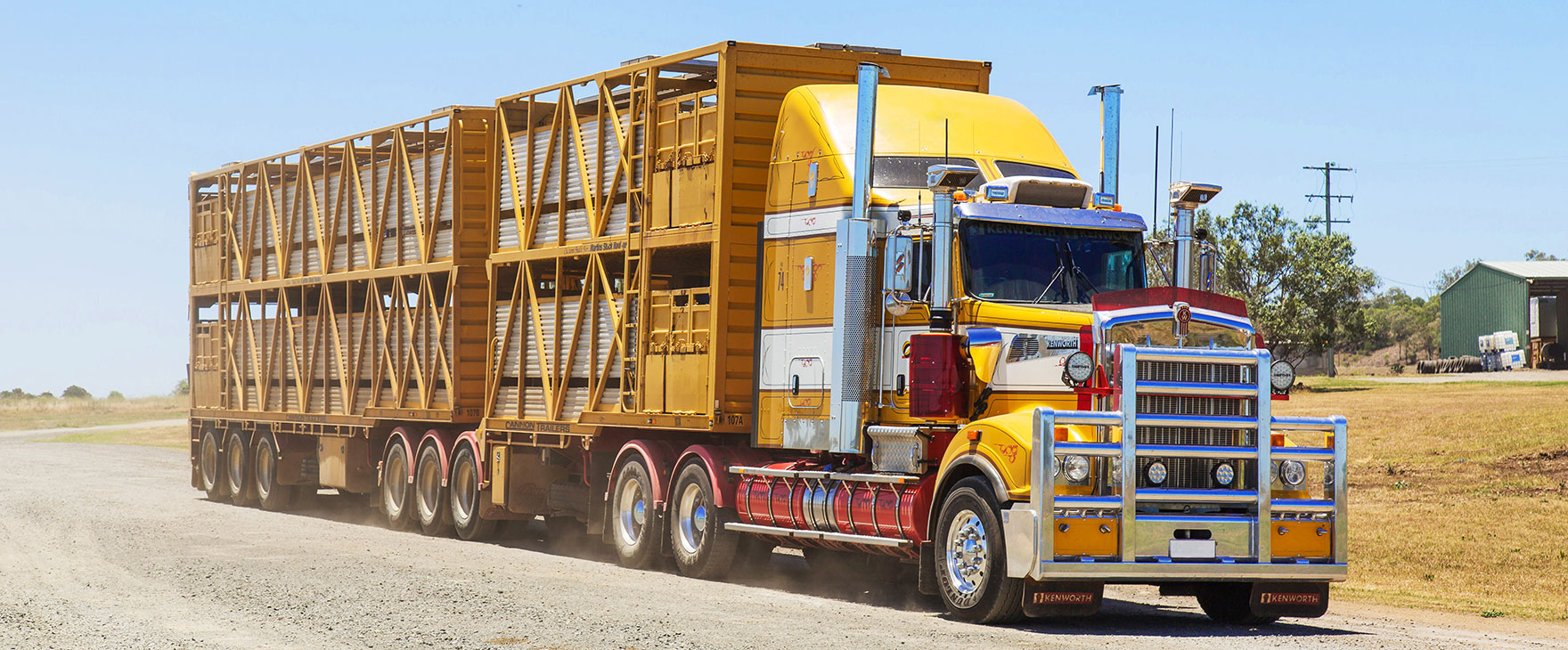
Cattle Transport Guide: Reduce Stress and Losses
A Comprehensive Guide to Safe, Low-Stress Cattle Transportation
Proper cattle transportation is crucial for animal welfare, meat quality, and economic returns. This guide provides detailed strategies to minimize stress, reduce losses, and maintain animal value during transport.
Step 1: Plan Ahead
Comprehensive Transport Planning
| Planning Aspect | Key Considerations | Timeline | Resources Needed |
|---|---|---|---|
| Route Planning | Road conditions, weather forecasts, rest stops, low-traffic routes | 2-3 days before transport | Maps, weather apps, local knowledge |
| Vehicle Preparation | Mechanical check, cleaning, bedding, ventilation assessment | 1 day before transport | Mechanic, cleaning supplies, bedding material |
| Documentation | Health certificates, permits, waybills, emergency contacts | 3-7 days before transport | Veterinary services, transport permits |
| Animal Preparation | Health checks, grouping, feed/water schedule, resting period | 24 hours before transport | Handling facilities, water access, sorting pens |
Timing Considerations
Optimal Transport Windows:
- Early Morning: 4:00 AM - 8:00 AM (coolest temperatures)
- Late Evening: 6:00 PM - 10:00 PM (avoiding heat stress)
- Seasonal Adjustments: Shorter travel times in summer, longer in winter
- Market Schedules: Coordinate with market operating hours
Weather Planning:
- Avoid transport during extreme heat (>32°C/90°F) or cold (< -10°C/14°F)
- Reschedule during heavy rain, snow, or high winds
- Monitor weather forecasts up to departure time
- Have contingency plans for unexpected weather changes
Steps 2-3: Vehicle Selection & Space Management
Proper Vehicle Requirements
Structural Requirements
- Strong, well-maintained floors and walls
- Proper height clearance (minimum 2 meters)
- Secure gates and partitions
- Non-slip flooring surfaces
- Adequate drainage systems
Ventilation Systems
- Side vents for cross-ventilation
- Adjustable roof vents
- Mechanical ventilation for long hauls
- Temperature monitoring capability
- Emergency ventilation options
Safety Features
- Emergency stop systems
- Fire extinguishers
- First aid kits
- Emergency animal handling tools
- Breakdown warning equipment
Avoid Overcrowding: Space Allocation Guidelines
| Cattle Weight | Space Required | Animals per Truck Deck (12m) | Special Considerations |
|---|---|---|---|
| 150-200 kg | 0.8-1.0 m² per animal | 40-50 animals | Group by size, provide extra space for young animals |
| 200-300 kg | 1.0-1.2 m² per animal | 30-40 animals | Separate horned from polled animals |
| 300-400 kg | 1.2-1.4 m² per animal | 25-30 animals | Provide extra height for large-framed animals |
| 400-500 kg | 1.4-1.6 m² per animal | 20-25 animals | Reduce density in hot weather |
| 500+ kg | 1.6-2.0 m² per animal | 15-20 animals | Individual partitions for valuable breeding stock |
Space Management Tips
Grouping Strategies:
- Group animals of similar size and temperament
- Keep established social groups together when possible
- Separate horned animals from polled animals
- Isolate aggressive or dominant individuals
- Keep males and females separate during transport
Loading Density Adjustments:
- Reduce density by 10-15% in hot weather
- Increase space for pregnant or injured animals
- Consider animal experience with transport
- Adjust for journey length and road conditions
Steps 4-5: Loading & Pre-Transport Preparation
Low-Stress Loading Techniques
Facility Design
- Curved loading ramps (reduce balking)
- Solid sides (prevent distractions)
- Non-slip flooring
- Proper lighting
- Adequate ramp angle (<20 degrees)
Handling Methods
- Use of flags or paddles (not sticks)
- Quiet, calm movements
- Minimal noise and shouting
- Patient, gradual progress
- Understanding flight zones
Animal Preparation
- Familiarize animals with handling facilities
- Practice moving through gates and ramps
- Ensure animals are not hungry or overly full
- Check health status before loading
- Allow rest period before transport
Pre-Transport Hydration & Nutrition
Water Management:
- Provide free access to water 2-4 hours before loading
- Monitor water consumption to ensure hydration
- Consider electrolyte supplements in hot weather
- Avoid excessive water immediately before transport
- Plan water stops for journeys over 8 hours
Feed Management:
- Provide normal feed 12-24 hours before transport
- Withhold feed for 2-4 hours before loading (not water)
- Avoid new or unfamiliar feeds before transport
- Consider gut fill for weight management
- Special diets for animals prone to transport stress
Steps 6-7: Transport Timing & Journey Management
Transport During Cool Hours
Temperature Management:
- Ideal temperature range: 5-25°C (41-77°F)
- Monitor temperature-humidity index (THI)
- Use vehicle thermometers to monitor internal temperature
- Adjust ventilation based on external conditions
- Plan routes to avoid heat pockets and urban areas
Seasonal Adjustments:
- Summer: Travel between 10 PM - 6 AM if possible
- Winter: Travel during daylight hours for warmth
- Rainy Season: Avoid transport during heavy storms
- Extreme Weather: Postpone non-essential transport
Minimize Stops and Delays
Journey Planning:
- Plan direct routes with minimal stops
- Schedule fuel stops during cooler hours
- Pre-arrange rest stops with proper facilities
- Coordinate with authorities to avoid inspection delays
- Use GPS tracking to monitor progress
Driver Responsibilities:
- Smooth acceleration and braking
- Reduced speed on curves and rough roads
- Regular mirror checks of animal status
- Immediate response to animal distress signs
- Professional driving behavior at all times
Step 8: Monitoring During Travel
Visual Monitoring Schedule
Every 2-3 hours: Check animal positions and behavior
After stops: Assess animal condition and space usage
During extreme conditions: Increase monitoring frequency
At rest stops: Conduct thorough visual inspection
Signs of Distress
Mild Stress: Restlessness, increased vocalization
Moderate Stress: Panting, trembling, excessive salivation
Severe Stress: Collapse, labored breathing, inability to rise
Immediate Action Required: Open mouth breathing, staggering
Emergency Response
Minor Issues: Adjust ventilation, reduce speed
Moderate Issues: Find safe stop, assess animals
Severe Issues: Emergency stop, contact veterinarian
Critical Issues: Emergency services, animal welfare authorities
Steps 9-10: Unloading & Record Keeping
Careful Unloading Procedures
Unloading Best Practices:
- Allow 15-30 minutes for animals to adjust before unloading
- Use calm, patient handling techniques
- Ensure proper ramp positioning and safety
- Provide immediate access to water upon unloading
- Allow rest period before additional handling
Post-Transport Care:
- Offer small amounts of water initially
- Provide high-quality hay or familiar feed
- Allow 12-24 hours rest before processing or marketing
- Monitor for signs of transport stress or injury
- Isolate and treat any injured or sick animals
Comprehensive Record Keeping
Essential Transport Records:
- Animal numbers and identification
- Loading and unloading times
- Weather conditions during transport
- Any stops or delays with reasons
- Animal behavior and condition observations
Performance Metrics:
- Weight loss during transport
- Injury rates and types
- Mortality numbers and causes
- Downer animals and recovery rates
- Meat quality assessments at slaughter
Benefits of Proper Cattle Transport
Improved Animal Welfare
Reduced stress, fewer injuries, better recovery, and maintained health status
Economic Advantages
Reduced weight loss (2-4% vs 8-10%), lower mortality, higher meat quality, better market prices
Meat Quality Preservation
Reduced dark cutters, improved tenderness, better color retention, longer shelf life
Regulatory Compliance
Meeting animal welfare standards, avoiding penalties, maintaining market access
Pre-Transport Checklist
Vehicle Preparation
- Mechanical safety check completed
- Cleaning and disinfection done
- Non-slip bedding installed
- Ventilation systems tested
- Safety equipment available
Animal Preparation
- Health checks completed
- Appropriate grouping done
- Water provided 2-4 hours before
- Feed managed appropriately
- Identification verified
Documentation
- Health certificates available
- Transport permits obtained
- Route plan finalized
- Emergency contacts listed
- Record forms prepared
Personnel Readiness
- Drivers trained and rested
- Handlers briefed on procedures
- Communication systems tested
- Emergency procedures reviewed
- Weather forecast checked
Proper cattle transport improves health, weight retention, and market value. Implementing these guidelines can reduce losses by 50-70% and improve animal welfare significantly.

 Newspaper is an amazing magazine blogger theme that is easy to use and change to fit your needs
No comments
Post a Comment