


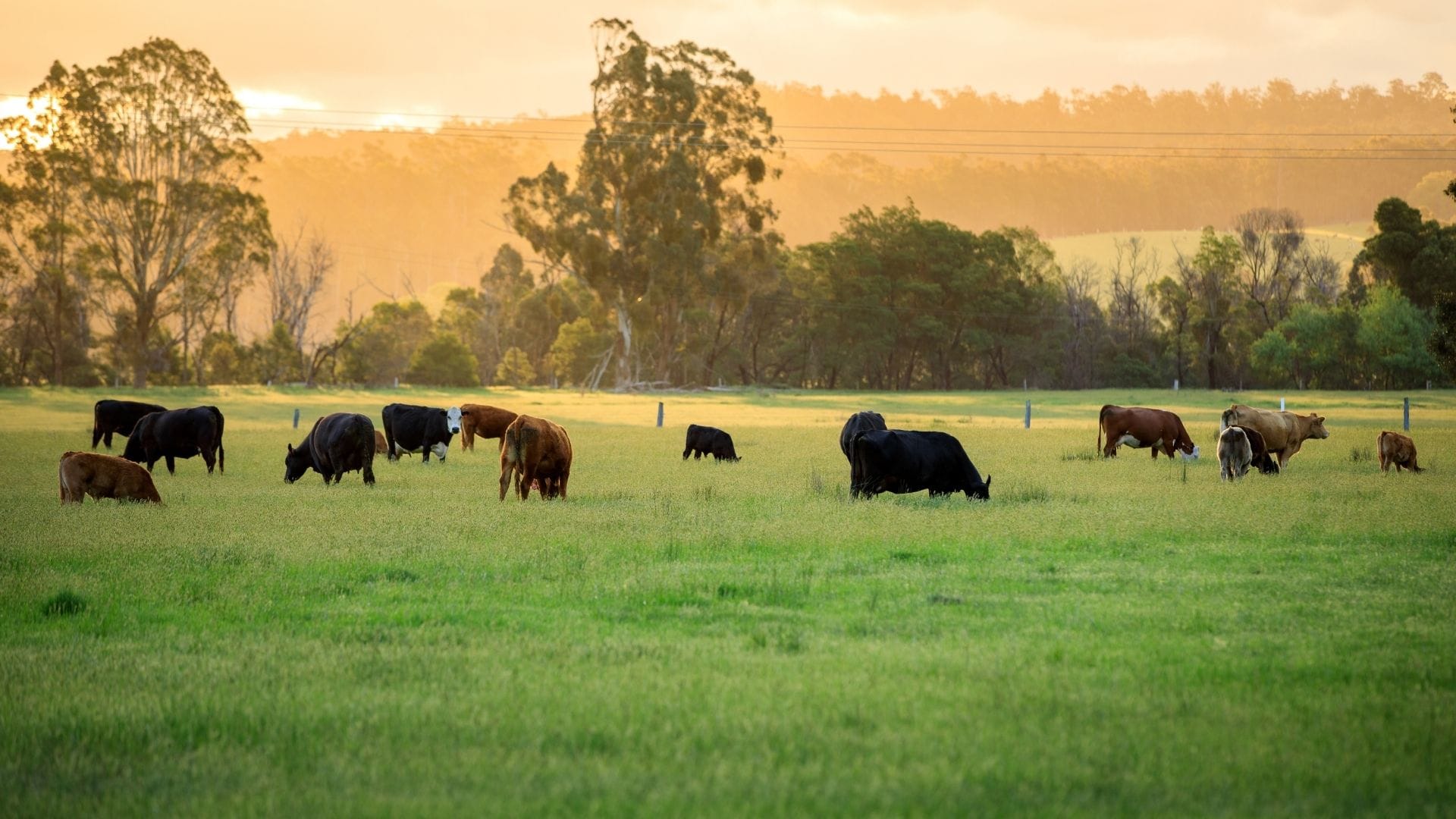
Cattle Farming for Youth and Beginners in Rural Areas
A Practical Guide to Starting and Growing a Successful Cattle Enterprise
Cattle farming offers tremendous opportunities for youth in rural areas to generate sustainable income, create employment, and contribute to food security. With proper planning and management, even beginners can build a successful cattle enterprise.
Getting Started: Foundation Principles
Start Small, Grow Steady
Beginning with 1-3 cattle allows you to:
- Learn animal behavior and husbandry skills gradually
- Manage financial risk while building experience
- Understand local market dynamics before scaling up
- Develop proper record-keeping habits from the start
- Build confidence through hands-on experience
Initial Investment Range: $500-$1,500 for 2-3 local breed cattle
Time Commitment: 2-4 hours daily for proper care and management
Choose the Right Breed
Selecting appropriate cattle breeds is crucial for success:
- Consider your primary purpose (meat, milk, or dual-purpose)
- Evaluate climate adaptation and disease resistance
- Assess feed availability and nutritional requirements
- Consider market preferences in your area
- Start with breeds known for hardiness and low maintenance
Beginner-Friendly Traits: Good temperament, disease resistance, adaptability to local conditions
| Breed Type | Primary Use | Climate Adaptation | Feed Requirements | Special Characteristics | Best For Beginners |
|---|---|---|---|---|---|
| Local Indigenous Breeds | Meat/Dual-purpose | Excellent (native environment) | Low - can thrive on pasture | High disease resistance, hardy | ⭐️⭐️⭐️⭐️⭐️ (Highly Recommended) |
| N'Dama | Meat | Hot, humid climates | Low to moderate | Trypanotolerant, heat resistant | ⭐️⭐️⭐️⭐️⭐️ |
| Boran | Meat | Arid and semi-arid | Moderate | Good mothering ability, efficient | ⭐️⭐️⭐️⭐️ |
| Crossbreeds | Varies | Moderate to good | Moderate to high | Hybrid vigor, improved production | ⭐️⭐️⭐️ |
| Exotic Breeds | High milk/meat | Poor (need controlled environment) | High - require quality feed | High production potential | ⭐️ (Not recommended for beginners) |
Infrastructure & Basic Requirements
Secure Proper Housing
Basic Shelter Requirements
- 3-4 square meters per animal
- Good ventilation but draft-free
- Dry, well-drained flooring
- Protection from extreme weather
- Easy access for feeding and cleaning
Low-Cost Housing Options
- Pole and thatch structures
- Modified existing buildings
- Simple timber frame with iron sheets
- Community shared facilities
- Mobile shelters for rotational grazing
Essential Features
- Feed troughs and water points
- Proper drainage system
- Secure fencing or tethering points
- Storage for feed and equipment
- Handling facilities for treatments
Water is Life
Water Requirements:
- Adult cattle: 30-50 liters per day
- Lactating cows: 60-80 liters per day
- Clean, fresh water available at all times
- Multiple watering points for larger herds
Water Source Options:
- Boreholes with manual or solar pumps
- Protected wells with pulleys
- Rainwater harvesting systems
- Streams or rivers with access control
- Community water schemes
Water Quality Management:
- Regular cleaning of water containers
- Protection from contamination
- Testing for mineral content if needed
- Treatment for harmful bacteria if necessary
Nutrition & Feeding Management
Cost-Effective Feeding Strategies
| Feed Type | Source | Nutritional Value | Cost | Preparation Needed | Best For |
|---|---|---|---|---|---|
| Natural Pasture | Grazing lands | Variable (medium) | Free/Low cost | Rotational management | Maintenance, dry seasons |
| Crop Residues | Farm by-products | Low to medium | Very low | Chopping, sometimes treatment | Roughage source |
| Legume Forages | Cultivated | High protein | Low (establishment) | Cut and carry | Growth, lactation |
| Agro-Industrial Byproducts | Mills, factories | Medium to high | Low to medium | Sometimes mixing | Supplementation |
| Commercial Feeds | Feed suppliers | High, balanced | High | Ready to use | High production, supplementation |
Practical Feeding Guidelines
Daily Feeding Routine:
- Morning: Fresh forage or pasture access
- Mid-day: Water and rest in shade
- Afternoon: Supplementary feeding if needed
- Evening: Additional roughage
Seasonal Adjustments:
- Rainy season: Maximum pasture utilization
- Dry season: Supplement with stored feeds
- Hot weather: Increase water and minerals
- Cold weather: More energy-rich feeds
Cost-Saving Tips:
- Establish fodder banks for dry season
- Practice rotational grazing for pasture management
- Use kitchen and garden wastes appropriately
- Form feed buying groups with other farmers
- Learn basic feed formulation for supplements
Animal Health & Management
Health First: Preventive Care Program
Vaccination Schedule
- Anthrax: Annual vaccination
- Blackleg: 6-month boosters
- Foot and Mouth: As per regional programs
- Brucellosis: Heifers before breeding
- Lumpy Skin Disease: In endemic areas
Deworming Program
- Every 3-4 months in wet seasons
- Every 6 months in dry areas
- Rotate dewormer types annually
- Target strategic times (before rains)
- Test for resistance periodically
Common Health Issues
- Internal parasites (worms)
- External parasites (ticks, flies)
- Respiratory infections
- Foot problems (lameness)
- Metabolic disorders
Record Everything
Essential Records to Maintain:
- Financial Records: Purchases, sales, expenses, income
- Animal Records: Birth dates, parentage, identification
- Health Records: Treatments, vaccinations, illnesses
- Production Records: Weight gains, milk production
- Breeding Records: Mating dates, pregnancy checks
Simple Record-Keeping Methods:
- Notebook with dedicated sections
- Wall calendar for important dates
- Mobile phone apps for basic tracking
- Community record-sharing systems
- Photographs for visual documentation
Benefits of Good Records:
- Track profitability and identify losses
- Make informed breeding decisions
- Monitor animal health trends
- Access credit and support programs
- Plan for expansion and improvement
Building Your Cattle Enterprise
Get a Mentor
Benefits of Mentorship:
- Learn from experienced farmers' mistakes
- Access to practical, localized knowledge
- Networking opportunities in the industry
- Emotional support during challenges
- Guidance on business decisions
Finding a Mentor:
- Local successful cattle farmers
- Agricultural extension officers
- Veterinary professionals
- Youth farming cooperatives
- Online farming communities
Think Business
Business Mindset Shifts:
- View cattle as productive assets, not just property
- Calculate costs and returns for every decision
- Plan for growth and diversification
- Invest in knowledge and skills development
- Build networks for market access
Enterprise Options:
- Beef production (fattening or breeding)
- Dairy farming (milk production)
- Oxen for draft power services
- Breeding stock multiplication
- Integrated systems with crops
Market Early
Market Research Essentials:
- Identify potential buyers in your area
- Understand seasonal price fluctuations
- Learn quality standards and requirements
- Explore different marketing channels
- Build relationships with regular buyers
Marketing Channels:
- Local livestock markets
- Direct sales to butchers
- Cooperatives and farmer groups
- Specialty markets (organic, grass-fed)
- Value-added products (milk, leather)
Accessing Support & Resources
Government Programs
Livestock subsidy schemes
Youth agricultural loans
Veterinary extension services
Breed improvement programs
Market infrastructure development
NGO Initiatives
Training and capacity building
Input support programs
Market linkage initiatives
Technology transfer projects
Climate resilience programs
Financial Services
Microfinance institutions
Agricultural development banks
Livestock insurance products
Savings and credit cooperatives
Digital lending platforms
Knowledge Resources
Extension service offices
Online farming platforms
Mobile advisory services
Farmer field schools
Agricultural radio programs
Keys to Success for Young Cattle Farmers
Start with a Business Plan
Even a simple one-page plan outlining your goals, resources needed, expected costs, and potential markets can significantly increase your chances of success.
Embrace Continuous Learning
Attend workshops, read agricultural publications, join farmer groups, and never stop learning about better cattle management practices.
Build Networks
Connect with other young farmers, join cooperatives, participate in agricultural shows, and build relationships with suppliers and buyers.
Be Adaptable and Innovative
Be open to trying new approaches, technologies, and business models that can improve your efficiency and profitability.
Tip: Government or NGO programs may offer support - always stay informed about available opportunities in your area!

 Newspaper is an amazing magazine blogger theme that is easy to use and change to fit your needs
No comments
Post a Comment